


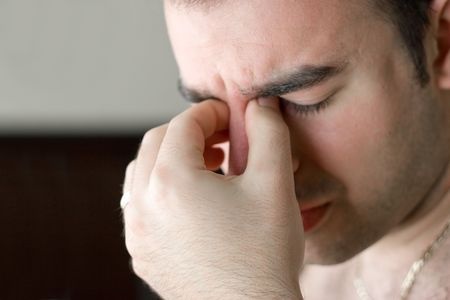
We can contract glaucoma at any age, and the disease develops slowly and is often asymptomatic. Along with cataracts, it is one of the two most common causes of blindness in developed countries. It is assumed that as many as 70 million people worldwide suffer from glaucoma. It can, however, be detected by regular visits to a specialist and measurement of intraocular pressure.
Is glaucoma a dangerous disease?
Pojęcie "jaskra" tak naprawdę dotyczy całej grupy chorób oczu, w których dochodzi do uszkodzenia nerwu wzrokowego. Są to choroby o charakterze postępującym i chronicznym.
This is because the aqueous fluid produced in the eye seeps from the eyeball into the bloodstream. However, if this seepage angle is blocked, the fluid does not find an outlet from the anterior chamber of the eye, so intraocular pressure increases, which puts pressure on the optic nerve, so irreversible damage to its fibres occurs. Damage to the optic nerve results in restricted vision which, over time, can lead to total blindness.
Glaucoma is a disease that is one of the leading causes of irreversible blindness in developed countries. According to the World Health Organisation, it is even more serious than cataracts because its effect, the loss of sight, is irreversible.
Glaucoma - causes, symptoms
It is worth knowing that everyone suffers from glaucoma. Both adults and children, people who are physically active and those who lead unhealthy lifestyles. There are the following types of glaucoma:
- Primary open angle glaucoma - affects as many as 90% cases of glaucoma, most commonly occurs after 30 years of age, usually causes slow loss of peripheral vision. Most often, it is not until 50% nerve fibre loss that the patient notices it.
- jaskra zamkniętego kąta przesączania - ta może objawić się gwałtownie, pojawia się około 50-60 r.ż.. To przypadek ostrego ataku jaskry, który charakteryzuje się silnym bólem oka, które staje się bardzo czerwone i twarde, co więcej - objawia się nudnościami, bólami brzucha oraz głowy nad łukiem brwiowym. Towarzyszą mu również zaburzenia widzenia, a nawet wymioty i zaburzenia pracy serca. Jeśli zaobserwowałeś to u siebie lub u Twoich bliskich - natychmiast zgłoś się do okulisty.
- Congenital glaucoma - is the most common form of glaucoma found in children. It is a disease with a genetic basis.
- Secondary glaucoma - irreversible changes and atrophy of the nerve resulting from changes in the eyeball, e.g. caused by inflammation or other pathological conditions of the eye.
As we wrote above, especially with primary open-angle glaucoma, the first symptoms appear when advanced optic nerve atrophy has already occurred. Patients with glaucoma most commonly complain of:
- visual impairment,
- narrowing of the visual field - tunnel vision,
- noticeable blurring of the iris of the eye,
- eye irritation and redness,
- photophobia,
- halo vision, or so-called halo near light sources,
- other.
Importantly, many of these symptoms are mistaken for ocular fatigue or another disease entity and are therefore often underestimated.
Remember that prevention is the most important thing - get yourself examined regularly and you will avoid many serious illnesses!
Rapid diagnosis of glaucoma - can increase the effectiveness of treatment
Wciąż świadomość społeczeństwa, także polskiego, dotycząca chorób oczu, w tym cataracts czy jaskry jest na niskim poziomie. Tymczasem nowoczesna i szybka diagnostyka może w porę wykryć ważne schorzenia i zoptymalizować leczenie pacjenta.
It is assumed that we should have a check-up for glaucoma every 2 years. People who are at increased risk because, among other things, their family members have had or are having glaucoma should be examined once every 6-12 months.
What tests will the ophthalmologist perform?
- Tonometry - this is a key test. It measures the pressure inside the eyeball.
- Perimetry - an examination of the visual field, indicates its loss caused by glaucoma, including glaucoma.
- Stereoscopic assessment of the optic nerve disc II - illustrates the shape of the optic nerve discs, their symmetry, size proportions.
- Gonioscopy - bada kąt przesączania.
It is important to remember that only an ophthalmologist can fully diagnose glaucoma and distinguish between the different types of glaucoma. Determining and specifying the disease entity is of considerable importance for the treatment of glaucoma. It is therefore advisable to be examined regularly at his office in order to receive an expert assessment of our eye condition.
How is glaucoma treated?
As we have already said, all types of glaucoma can lead to irreversible changes. Therefore, treatment consists of stopping the destruction of the nerve, as a result of lowering too high intraocular pressure. Achieving the target pressure is essential to avoid total loss of vision. Usually, people who have taken timely treatment retain their sight at a functional level.
Treatment usually consists of three methods, which the doctor adapts to the stage of the disease, the type of glaucoma and the patient's health status. We distinguish between:
- pharmacological treatment - most often the ophthalmologist will prescribe drops to lower the intraocular pressure,
- Laser treatment - this involves opening up the plugged openings in the angle of the seepage,
- surgical treatment - this is performed when there is no possibility of lowering the intraocular pressure by other methods.
The last two modalities used in the treatment of glaucoma usually concern advanced stages of the disease.
It is also worth remembering that there are factors that can increase the risk of developing glaucoma. These include:
- Age - above the age of 35 the risk of developing glaucoma increases, with visual field loss more common in mature age,
- gender - women are more likely to suffer from glaucoma,
- circulatory diseases,
- family history of glaucoma,
- diabetes,
- long-term use of steroids,
- susceptibility to migraines,
- thin corneas,
- myopia,
- stress (acute glaucoma attack is particularly common here)
- cold feet and hands,
- other.
As we can see, there are many factors that can increase the risk of glaucoma. However, it is worth adding that, in fact, neither a proper diet nor supplementation will protect us from glaucoma.
Glaucoma can make our lives less comfortable and affect social relationships
Untreated glaucoma leads to irreversible changes in vision. People who notice changes in their vision often slowly withdraw from social life. They stop visiting cultural places and meeting friends. Also professional activity in many cases is not possible.
Undoubtedly, the total loss of sight has not only physical consequences, but also those of a psychological nature. Restriction of social and professional activity is a traumatic event for many patients. Often, therefore, ophthalmic therapy is complemented by the support of a psychologist who helps the patient to find his or her feet in the new reality, to return to former activities.
Summary
- Today, almost one million people in Poland suffer from glaucoma. It is assumed that the number of people affected by the disease will increase every year.
- The symptoms of glaucoma are often, especially in the early stages, unnoticeable.
- The causes of glaucoma can vary, and only an ophthalmologist has the competence and experience to pinpoint the specific source of the disease. Early detection of glaucoma can not only make the patient more comfortable, but can also save sight.
- Glaucoma treatment aims to halt the progression of the disease. During therapy, the ophthalmologist decides on treatment methods, which he adjusts according to a number of factors.
- You should have a glaucoma examination at a specialist surgery at least once every two years. Furthermore, if there are any visual field disturbances, an appointment should be made with an ophthalmologist.


