Laser vision correction – Symptoms before surgery. Is it correct?
Concerns about something new and unknown… especially if the procedure, which you are undergoing for the first time in your life, is going to change something in your body… are completely understandable. Laser vision correction raises fear in patients. Unnecessarily, because laser correction is safe and extremely effective!
Perhaps you are afraid that laser vision correction can harm you, for example by applying a pulse in the wrong place. We will try to tell you a little about it. We are happy to answer whether laser vision correction is safe and how the laser procedure is performed. Most patients are looking for this type of information, so we will try to answer it! Laser correction of vision defects is extremely effective and restores full visual acuity. If you suffer from nearsightedness, farsightedness, or astigmatism, be sure to check how laser vision correction is performed, because if you undergo diagnostic tests, vision correction will also be possible in your case! The procedure is performed only once in a lifetime, so if you are planning correction, be sure to choose a trusted and recommended clinic where the procedure will be carried out by professionals. One of these clinics is Blikpol.

Laser vision correction has been regularly performed since the mid-1990s.
To date, nearly 20 million eyes have undergone correction in the USA alone, and approximately 100 million worldwide. Even at the time of introduction to the US market, laser vision correction had to be truly safe for patients.
Over the past quarter-century, manufacturers have been improving the built-in cameras and eye-tracking technologies in lasers in various dimensions. The accuracy of diagnostics has increased, allowing for the determination of who can benefit from laser vision correction and for whom it may not be the best solution.
Currently, lasers are equipped with numerous automatic safety mechanisms. Perhaps you didn’t know, but the eye-tracking cameras monitoring your eyes during the procedure—known as eye-trackers—are significantly faster than the eye or the laser beam
If the eye’s pupil exits the designated field or if the eye rotates too much in any plane, the laser does not deliver the next pulse. However, if these movements are minor, the laser quickly centers itself in the appropriate position, constantly “tracking” the pupil.
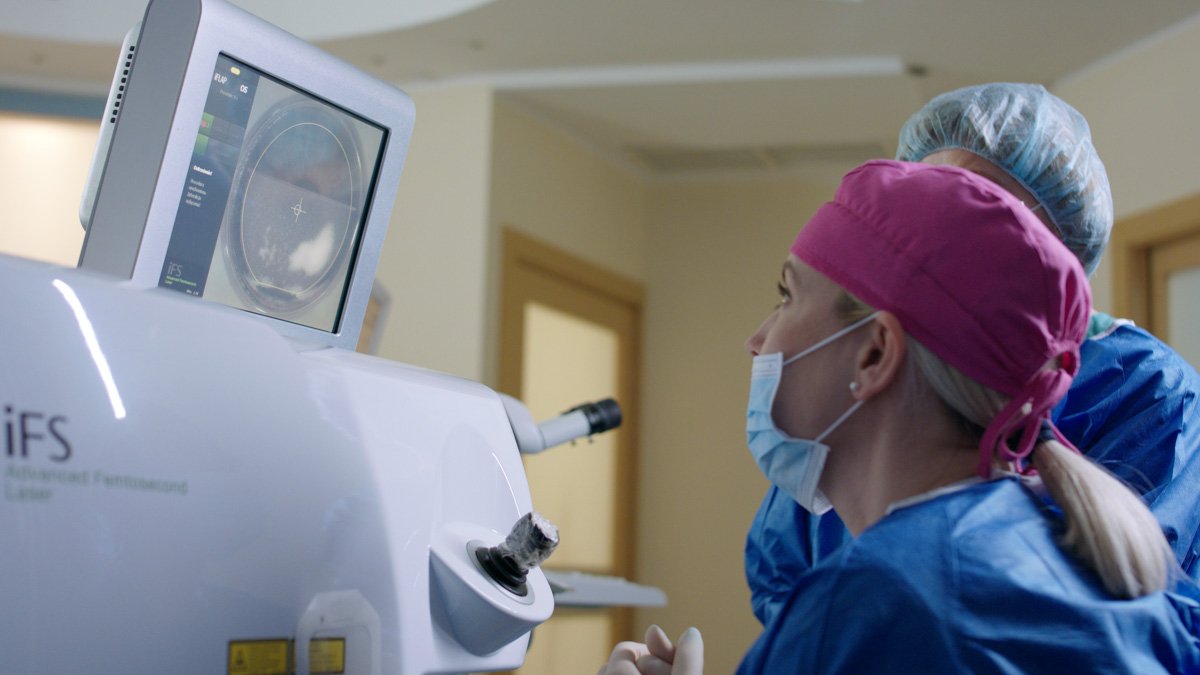
The vision correction procedure takes place on the outermost part of the eye. During the procedure, we cannot damage anything that would result in vision loss
For there to be a risk of going blind, there would have to be a massive infection. And infections occur much more frequently during… wearing contact lenses than after laser vision correction procedures. So the procedure itself is safe for the patient.
Understanding your concerns, we would like to emphasize that we would certainly not perform procedures at Blikpol that we ourselves would not consider very safe and beneficial to our patients.
We ourselves use laser vision correction methods and recommend them to our friends, relatives, and acquaintances. Among our employees, procedures have been performed by, among others, the head of the ophthalmic clinic, Dr. Judyta Aniśko-Słomińska, Dr. Ania Jurska, and the manager of our facility, Ania Adamczyk. Laser vision correction takes only a few minutes and is completely painless for patients.
The Blikpol team consists of qualified staff with knowledge, experience, and certifications
including those obtained internationally, for example, from institutes in the USA. Safety is extremely important to us, and our doctors will certainly not recommend the procedure if anything raises their concern.
If, after a long, highly detailed, two-hour qualifying examination, we tell you that in our opinion you are a good candidate for the procedure, it will be the opinion of experienced diagnosticians whom any patient wishing to undergo vision correction can trust.

How will you examine my eyes and why is it so important?
At Blikpol, you will benefit from the same optical technologies that will be used by the successor to the famous Hubble Telescope
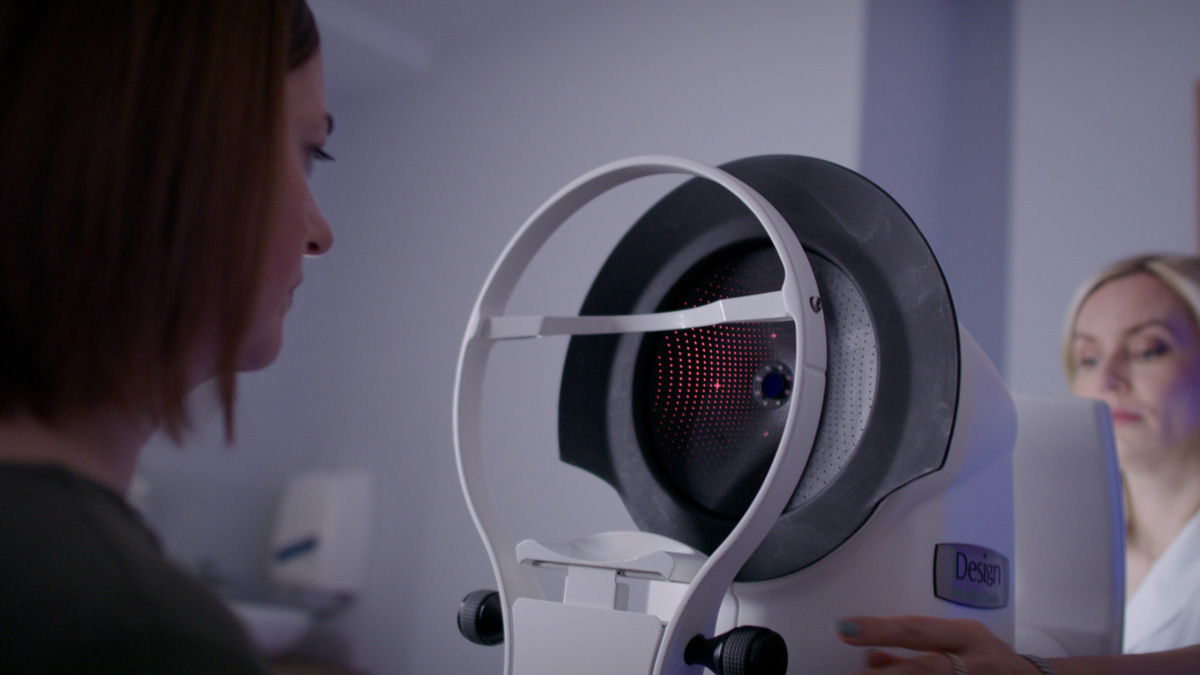
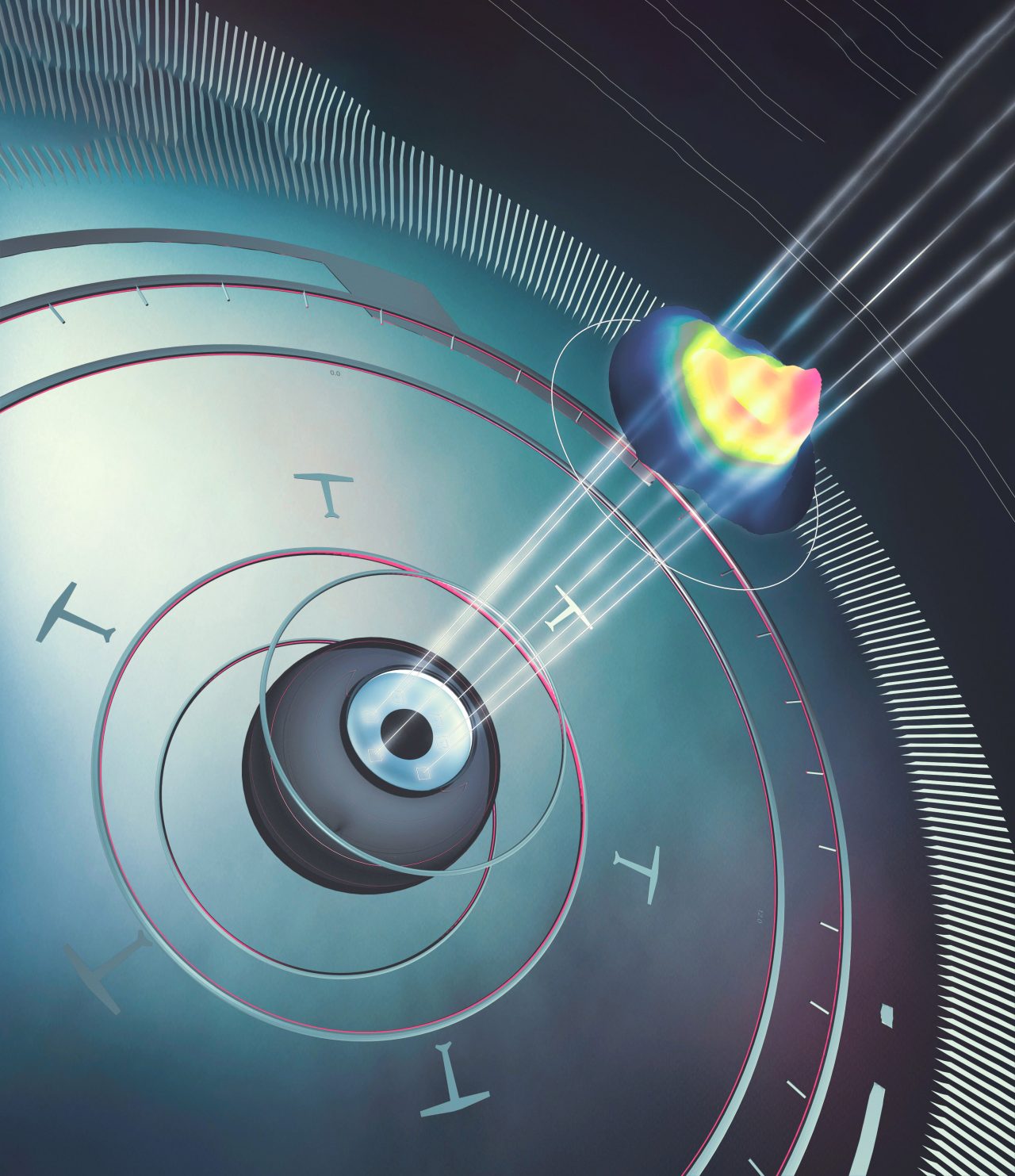
An incredibly important part of your vision correction process is the most precise examination and “mapping” of your eyes possible. These maps are later a crucial component utilized by our lasers during the actual procedure. At our clinic, we image and map your eyes using ultra-precision platforms like iDesign™ and Pentacam. Advanced three-dimensional mapping technologies help capture the smallest imperfections in your eyes.
These imperfections affect the quality of your vision and potential unwanted visual effects (glare, halos, light rings, etc.).
The imaging technologies used by the Wavescan&iDesign systems are the same technologies that NASA employs in its new James Webb Space Telescope, the successor to the Hubble Space Telescope.
This telescope was launched into space in December 2021.

Each eye is as unique as a fingerprint
As a result, at Blikpol, we offer individualized procedures (known as wavefront-guided), closely tailored to the specific structure of each patient’s eye. Many methods available on the market rely on general measurements. During the procedure, the laser does not utilize a three-dimensional “impression” of your eyes based on this conventional method.
We believe that our patients should have access to the best possible diagnostics, which is why we strongly prefer personalized and individualized approaches. Consequently, our ophthalmic qualifying examinations simply take a bit longer. It’s worth noting that they are conducted for the benefit of patients, to thoroughly check for any contraindications to undergoing laser eye correction. If none are found, the patient is directed to the procedure.

Laser eye correction – how common are complications during the recovery period?
Laser eye correction is not only one of the most commonly performed procedures today but also one of the safest. However, like any surgical procedure, it carries certain risks for the patient.
Complications occur in less than 1% of patients who undergo laser eye correction surgery. These mainly include inflammatory conditions and corneal haze. These are treatable conditions that may occur in patients after the procedure.
As part of the natural healing process, dry eyes and transient fluctuations in vision, especially at night, are quite common and typically resolve within a few months.
It’s worth emphasizing that the course of recovery largely depends on you and your cooperation with the doctor. It’s crucial to follow pre- and post-operative instructions to fully recover as quickly as possible and regain full vision clarity.
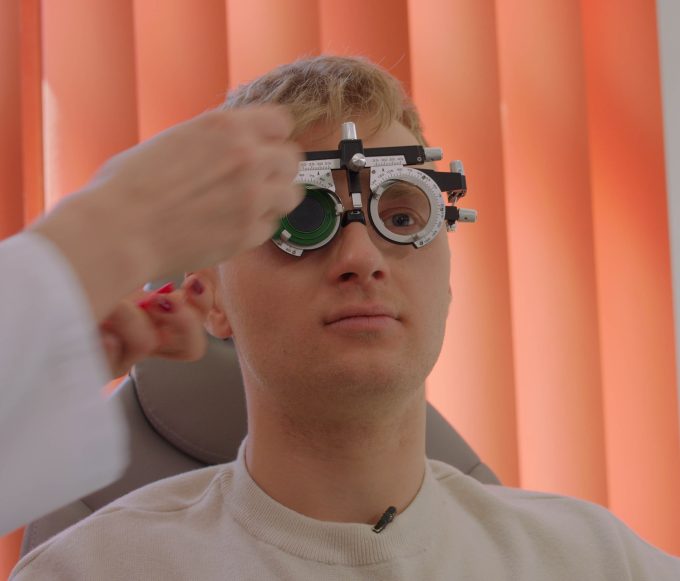

For example, too rapid return to activities such as swimming in a pool or bathing in the sea can lead to infection. Regular follow-up visits are also important to detect any abnormalities in the healing process. Patients under constant medical supervision and adhering to all recommendations quickly return to full health.
In the case of large or complex vision defects, it may happen that laser eye correction turns out to be incomplete. In such cases, it is advisable to undergo a re-correction, which is completely free of charge during the first year after the procedure.
And finally – because the safety of vision correction procedures is absolutely our top priority – the list of temporary or permanent contraindications is relatively long, and all abnormalities are precisely illustrated by the qualifying examination, which is much longer than the laser eye correction procedure itself.

Laser eye surgery – is the procedure safe and painless?
Definitely yes! We like to joke that laser technology got a bad reputation from science fiction movies. In reality, laser beams are used in medicine, often saving lives where human skills and even the most skilled surgeon’s hand are not enough. The same applies to vision correction surgery.
This is well evidenced by the fact that if the doctor does not find any contraindications, you can be discharged home just an hour after the procedure.
In conclusion, the idea of laser vision correction is not new, as laser vision correction has already been performed on nearly one hundred million people to this day. This method really works, and vision problems finally cease to be an issue. The procedure allows patients to give up wearing glasses or contact lenses. It is no wonder, then, that so many patients from all over the world opt for this correction procedure.
At the same time, both diagnostics and protective technologies have advanced, allowing clinics to better predict the expected outcome of vision correction surgery than 10-15 years ago, more accurately qualify or disqualify vision impairments suitable for surgery, and detect any contraindications.
The procedures are fast, and the vast majority of patients rate them as painless. Moreover, the cost, especially with installment payments, seems to be within reach of an increasingly larger group of people.
Modern surgical methods such as Femtolasik or iLASIK allow for much faster healing than traditional LASIK, LASEK, or PRK procedures a decade ago. So, is it worth undergoing this type of vision correction? Definitely yes. It’s an excellent solution for all patients who want to enjoy perfect vision and free themselves from glasses and contact lenses.
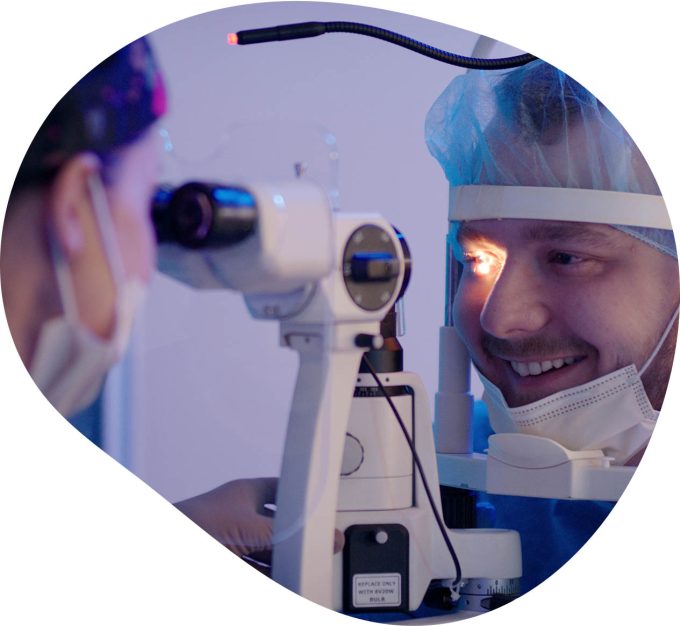
The laser vision correction procedure is entirely safe if you rely on the knowledge and experience of specialists
There are those whom you can get to know before the procedure and be sure that they will not lose interest in you and your case after the vision correction surgery, in case of any difficulties. Fortunately, there are more of the former than the latter – but it’s always worth remembering.
It’s better to avoid facilities where patients are potentially treated in a conveyor-belt fashion, and the only time you might “meet” the actual surgeon performing the procedure is for a few minutes in the operating room. The procedure is performed once in a lifetime, so it’s essential to choose the right clinic for laser vision correction surgery.
At Blikpol, we are convinced that going through the entire process with the same doctor – from the qualifying visit, through the procedure, to post-operative care – guarantees a higher level of safety because the doctor has the opportunity to get to know the individual, their needs, expectations, as well as the vision problem (e.g., astigmatism) and issues that trouble them.

Important questions and answers
-
The risk of blindness after laser eye surgery, such as LASIK, is very low, but like any surgical procedure, there are certain risks and potential complications. Infections, scarring, or vision problems are possible. Therefore, it is important to undergo thorough screening and consultation with an experienced ophthalmologist before the procedure.
-
In some cases, vision regression may occur after laser eye surgery due to natural changes in the eye that may occur with age or for other reasons. The effectiveness of the surgery may also vary depending on individual patient characteristics, such as corneal thickness. Not every patient experiences regression, and if it does occur, it can often be corrected with additional surgery.
-
The longevity of laser eye surgery, such as LASIK, is typically very good. For many patients, the correction is permanent and lasts for many years. However, age-related changes in the eye, such as presbyopia (age-related farsightedness) or cataracts, may affect vision quality later in life, regardless of previous surgery.
-
Not everyone is a suitable candidate for laser eye surgery. This includes individuals with unstable vision, advanced eye diseases such as glaucoma or cataracts, and those with thin, irregular, or damaged corneas. Age, general health status, and other medical factors also play a role. The decision is made by an ophthalmologist after a comprehensive examination and consultation.
Completely Safe Laser Vision Correction
The key is a responsible approach, involving preparation for the procedure and taking precautions afterward. You must also stay in constant contact with your attending physician. This guarantees control over your health.
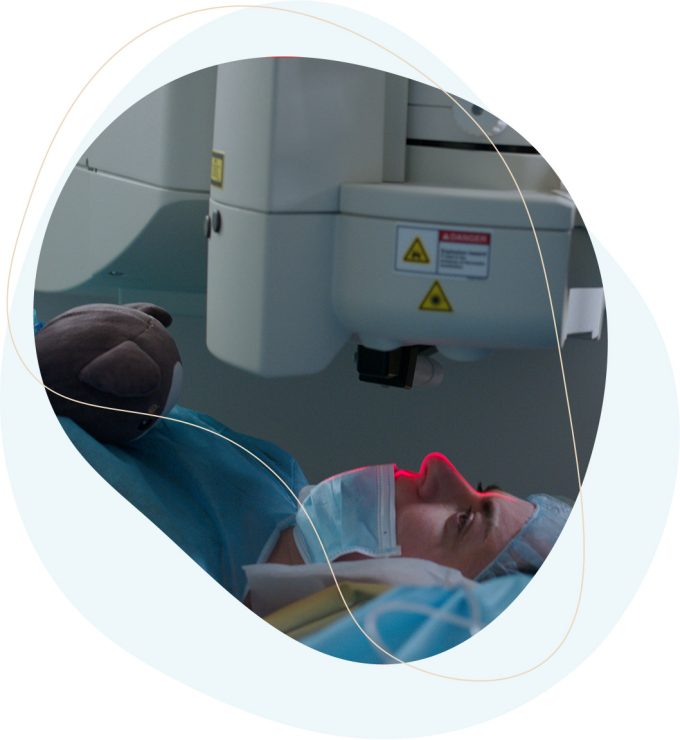
The procedure itself for laser vision correction is also safe. After taking your place on the special operating table, a nurse will prepare your eye. How? Nothing complicated, just cleansing the skin with a disinfectant and administering numbing drops to prepare the patient for correction.
Once numbing drops are administered to the eye, the doctor then secures the eye from closing by applying a specialized lid speculum. It may not be the most comfortable position, but trust us – the procedure won’t take long. The actual work of the lasers lasts only a few seconds. Don’t worry if you temporarily lose vision in the corrected eye during the operation of the first laser, and it becomes dark. This is normal. After a few seconds, it will become bright again.
The entire stay in the operating room will take about twenty minutes, after which we will examine your eyes in a slit lamp and escort you to the recovery room.
As you can see, it’s not that difficult! We hope you’ll join the ranks of satisfied patients who have undergone laser vision correction. We recommend the procedure at Blikpol! The procedure will allow you to enjoy excellent vision without the need for glasses or contact lenses recommended by ophthalmologists after diagnosing a vision problem.
Moreover, you can watch this process in videos on the Reviews subpage. Check out what the correction procedure looks like and how exactly laser vision correction works.