

What do you need to know?
- Alergiczne zapalenie spojówek to powszechna choroba oczu wywołana reakcją alergiczną na pyłki, sierść zwierząt i inne alergeny.
- Symptoms include severe itching, redness, tearing, burning and swelling of the eyelids, often accompanied by rhinitis.
- Treatment includes avoidance of allergens, use of moisturising drops, antihistamines and, in more severe cases, steroid medication.
- In cases of severe symptoms, persistent lesions or in children, ophthalmological consultation and allergy tests are necessary.
- Domowe sposoby, takie jak chłodne kompresy i przemywanie oczu solą fizjologiczną, mogą pomóc złagodzić objawy, ale nie zastąpią leczenia specjalistycznego.
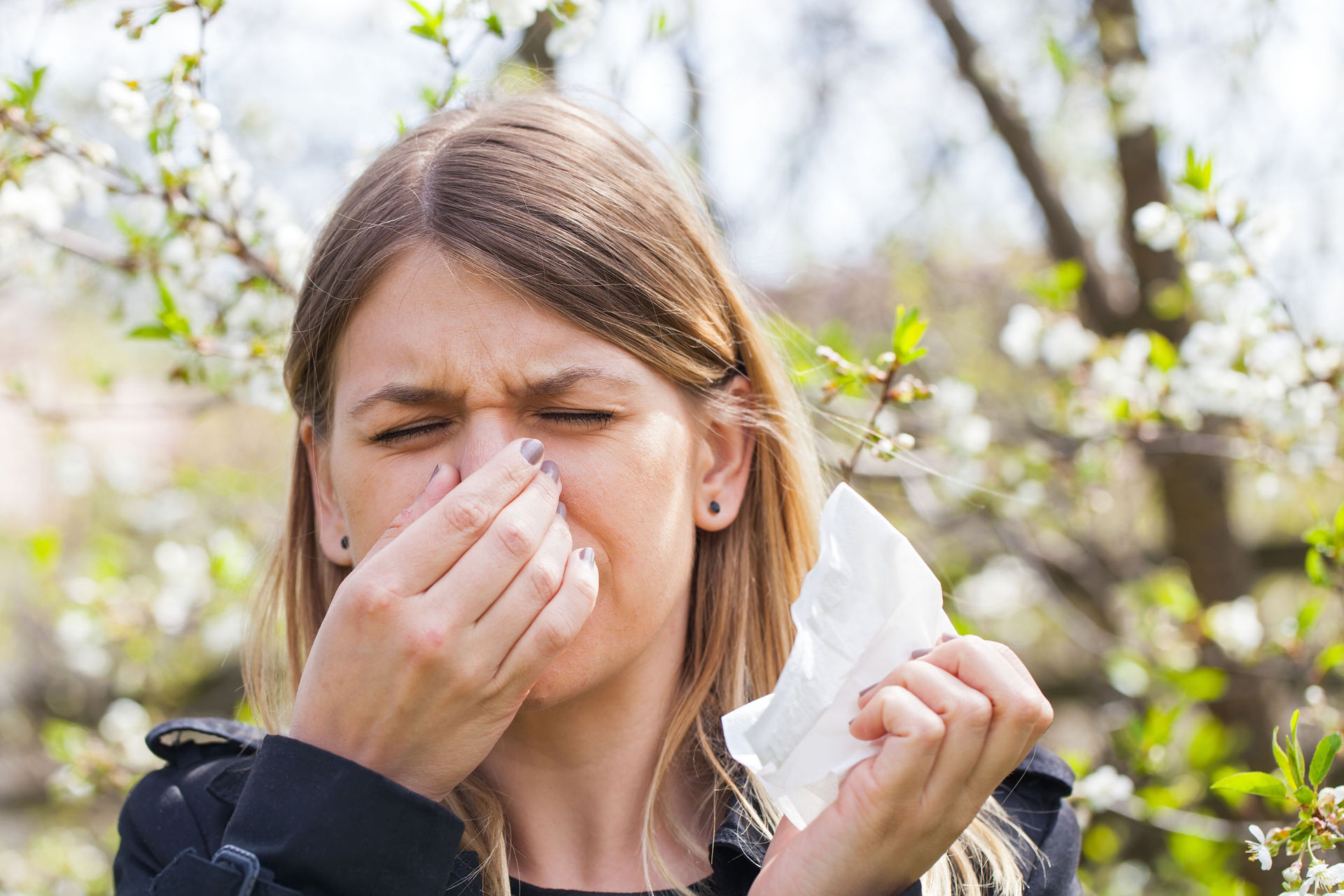
Conjunctivitis is the most common allergic eye disease. More than 40 per cent of Poles are affected by all kinds of allergic diseases when the season arrives and all kinds of flowers, bushes and trees start to bloom outside. As far as acute allergic conjunctivitis is concerned, it is the most common allergic eye infection that occurs in people at the turn of spring and summer. It is a very troublesome infection, which is additionally accompanied by rhinitis, and the infection itself manifests itself by severe redness, burning and itching of the conjunctiva. Not infrequently, it is also accompanied by swelling of the eyelid skin.
How do you recognise allergic conjunctivitis?
Objawy alergicznych chorób oczu typu silny świąd oka, przekrwienie spojówek, pieczenie, łzawienie i światłowstręt potrafią być bardzo uciążliwe. Alergiczne zapalenie spojówek to reakcja nadwrażliwości organizmu na substancje, które dla osób zdrowych są obojętne. Niestety, system immunologiczny osób dotkniętych alergią, po zetknięciu z alergenami daje niewłaściwą odpowiedź. Komórki odpornościowe uwalniają swoiste mediatory stanu zapalnego, głównie histaminę, które często zlokalizowane są w obszarach spojówki oka. Stąd typowe dla alergii uciążliwe objawy.
What does allergic conjunctivitis look like? Causes
Any environmental substance can be an allergen, but the ones that most people suffer from in spring are grass and tree pollen. An abnormal reaction of the immune system manifesting as conjunctivitis is one of the most common eye diseases. What is the most common eye allergy? In addition to pollen, sensitising allergens such as epidermis and animal hair, medications, etc. can also cause conjunctivitis, contact lenses, allergens, disinfectants, metal pollen or chemicals. As a result of contact between the eye and the allergen, more blood flows into the blood vessels in the eye, which causes inflammation of the conjunctiva, resulting in swelling and redness, as well as tearing and burning. Symptoms of conjunctivitis can also include photophobia or swelling of the eyelids. These symptoms are most commonly experienced by people with seasonal allergic conjunctivitis.
What does an eye allergy look like?
Allergic conjunctivitis of the eye is an allergic disease that causes inflammation within the conjunctiva. Symptoms start to appear after direct exposure to allergenic allergens. This is when very uncomfortable and disruptive symptoms occur in everyday life. These usually include red eyes, itching and swelling. Allergic eye infections associated with a reaction to a sensitising agent often go hand in hand with nasal septal obstruction. Allergic inflammation can be acute, seasonal, chronic (persistent allergic conjunctivitis), herpetic, atopic, and co-occur with allergic rhinitis. Giant papillary conjunctivitis most commonly occurs in people who wear contact lenses, ocular prostheses or post-operative sutures.
Conjunctivitis - treatment and medical diagnosis
Seasonal allergic conjunctivitis and year-round allergic conjunctivitis are by far the most common allergic eye diseases. Usually, once treatment is initiated, symptoms milden or pass in as little as 24 hours. Untreated allergic conjunctivitis, on the other hand, can leave permanent marks, which can consequently impair vision or stand in the way of planned laser vision correction. A common cause of this infection is dry eye disease, The allergenic reactions of pets, pollen and dust mites that are a common sight in your home. It is also worth checking whether it is your pet that is giving you allergic conjunctivitis - because the symptoms are the same.
Wszystkie rodzaje zapalenia są czasowym przeciwwskazaniem do przeprowadzenia zabiegów okulistycznych. Alergiczne zapalenie bardzo często występuje zarówno u osób dorosłych, jak i dzieci. W większości przypadków jest to sezonowe zapalenie spojówek, a objawy, jakie temu towarzyszą, są najczęściej związane z zatkanym nosem, obrzękiem i zaczerwienieniem oczu. To zdecydowanie najczęstsza postać tej choroby, występująca zwykle w łagodnej formie, jako kilka epizodów w ciągu roku, a oznaki infekcji oczu zazwyczaj nie są na tyle dokuczliwe, aby konieczna była wizyta u okulisty.
Warto jednak obeznać się, jak powinno wyglądać leczenie, ponieważ dzięki odpowiedniej pomocy od strony lekarza, będziesz mógł znacznie poprawić komfort swojego życia i zniwelować objawy zapalenia spojówek, takie jak pieczenie oczu czy obrzęk powiek. Najczęściej do gabinetu okulistycznego trafiają pacjenci, którzy zmagają się z problemem takim jak wiosenne zapalenie spojówek i rogówki, bakteryjne zapalenie, jak i wirusowe – to już znacznie trudniejsze do wyleczenia choroby, które wymagają znacznie bardziej angażującej pielęgnacji, higieny i leczenia. W tym przypadku domowe sposoby, takie jak np. płukanie oczu roztworem saline, nie zmniejszy uporczywych objawów, a tym bardziej nie zapobiegnie przyczynie ich powstawania.
It is important to consult your doctor before any procedure is scheduled. If you are aware of an existing allergy to seasonal volatile allergens, it is a good idea to schedule your eye treatment outside of the pollen season. Depending on the type of inflammation, treatment with antibiotic drops, anti-inflammatory drops and, in more difficult cases, the doctor may include glucocorticosteroids. But how do you know if it is definitely allergic conjunctivitis? Characteristic features of this infection are burning eyes, reddening of the conjunctiva, increased tearing, itching of the eyes and often considerable swelling. The most common types of conjunctivitis are the seasonal ones, chronic allergic conjunctivitis, spring keratitis, atopic conjunctivitis and keratitis, contact conjunctivitis, giant papillary conjunctivitis, acute allergic conjunctivitis.
Allergic conjunctivitis in children
Seasonal allergic conjunctivitis also affects young children, in whom the symptoms of the disease are the same as in adults. It is not uncommon for atopic dermatitis, urticaria or asthma to co-occur. The worst form is spring conjunctivitis, which can lead to corneal damage, but this occurs mainly in tropical regions of the globe. The usual first sign is frequent rubbing of the eyes. Even the smallest signs of seasonal allergic conjunctivitis should not be underestimated. Unfortunately, parents sometimes ignore the appearance of discharge on the eye surface, tearing or congestion of the conjunctiva.
What are the symptoms of allergic conjunctivitis? In children, too, this infection is often accompanied by rhinitis. Its symptoms can be very troublesome for adults, let alone our youngest. The most important thing is to avoid allergens and prevent any foreign bodies from entering the mucous membranes of the eye. In such cases, allergic causes play the greatest role. Conjunctivitis, however, can take many forms that require an immediate response. Discipline in the form of regular washing and changing of clothes after returning from the outdoors is most effective, and a daily shower, including washing the head, will help to get rid of a large proportion of the pollen deposited on the surface of the body and material. Most often these are pollen. These types of measures will support your fight against allergic conjunctivitis in your child, especially during the spring and summer months. Allergic conjunctivitis manifests itself in a very characteristic way, and symptoms such as red eyes should not be ignored.
Atopic dermatitis that manifests itself in childhood can trigger atopic keratitis, which is generally a year-round disease. There are two groups of symptoms that can be observed: subjective and physical. The subjective ones include pain, itching, tearing, and the objective ones include eczema appearing in the eyelid area, swelling of the eyelids and congestion of the conjunctiva. Atopic keratitis is distinguished by changes in the area, manifested by multiple lesions and ulcerations, which must be immediately consulted with a doctor, who should also have AD under control. Atopic conjunctivitis and keratitis should be treated under the supervision of a specialist.
What to do when conjunctivitis occurs in children?
Allergic conjunctivitis can recur constantly, so it is important to find a good way of dealing with it. Every child may have different allergic symptoms. Conjunctivitis can also have a different course. It is best to recognise the body's individual preferences as early as possible and, on this basis, develop a course of action and alleviate the child's symptoms. It is most important that the toddler does not rub or rub his eyes. Treatment of allergic conjunctivitis should be started as soon as possible, and we can use home treatment while waiting to see the doctor. Allergic conjunctivitis occurs in children of all ages. Cool compresses can be used to reduce swelling, but remember to use them only once and to keep an eye on sterility. If allergic conjunctivitis has already been diagnosed, appropriate treatment is in place and we want to relieve itching or burning - we can buy moisturising drops with hyaluronic acid and drop the child's eyes. After consulting your doctor, you can apply soothing compresses of chamomile or hollyhock to the eyes. It is very easy to prepare such an infusion and apply it at the first worrying symptoms.
How to treat an allergy in the eyes?
Inflammatory conjunctival diseases can cause a lot of trouble for the youngest. Topical treatment of allergic conjunctivitis may have a temporary effect, but the most important thing is to react as quickly as possible. The sooner the problem is recognised, the easier it is to treat and stabilise the allergy. This will be a constantly recurring and problematic condition, which is why it is so important to investigate the cause of allergic conjunctivitis immediately. There are many allergens and it is a very good step to perform all the necessary allergy tests. Don't let your child have difficulty seeing and breathing - seek appropriate medical advice to ensure professional drug treatment! Patients suffering from allergic conjunctivitis should see their doctor as soon as the first symptoms appear. In the treatment of allergic conjunctivitis, it is important to avoid inflammation triggers, as well as constant medical follow-up.
Which drops for allergic conjunctivitis?
For people exposed to allergens, it is very important to take care of the hygiene of the eyes and eyelid skin margins, washing the eyes with saline to flush allergens out of the eye. Cool compresses and preservative-free moisturising drops provide relief. During the onset of symptoms, it is a good idea to refrain from wearing eye make-up, contact lenses, rubbing the eyes, and avoid irritants such as cigarette smoke, dust, dust mites or chlorine in the pool.
How do you take care of your eyes when illness strikes? Above all, you need to ensure proper hygiene and try to flush your eyes frequently with artificial tears. It's also a good idea to stop wearing contact lenses for the duration of your treatment. Conjunctivitis can drag on if you don't give up contact lenses for a while - it's worth bearing this in mind! Allergic conjunctivitis is otherwise known as inflammation of the eye, which is the body's defence response to an allergen that appears in the conjunctival sac. It can be said to be another way of saying that it is the presence of a foreign body that significantly irritates the eye, thus causing inflammation of the conjunctiva of the eye.
From what allergies on the eyelids?
The most common sources of the disease are all kinds of pollen from trees, flowers or grasses, but also pet dander, cosmetics and even contact lenses - all of which can lead to symptoms of conjunctivitis of the eye. Allergic agents significantly irritate the eyes, resulting in bothersome symptoms that often make it difficult even to go to the shop every day. The most important thing is to limit exposure to the allergenic agent, but this is difficult to avoid when you have to leave the house for work every day. If you wear glasses, you can best protect your eye from contact with allergens, but you cannot neglect the hygiene of your glasses, which will protect you from allergenic agents.
Home remedies for conjunctivitis - act fast
For allergic conjunctivitis, you can easily obtain over-the-counter drops with moisturising properties at any pharmacy. Drops for allergic infections can also be prescribed by your ophthalmologist if treatment requires it. Seasonal allergic inflammation often occurs during certain months, particularly in late April and early May. The cause of seasonal allergic conjunctivitis is mainly grass and flower pollen, and symptoms often appear every year. Allergic eye inflammation is characterised by red and watery eyes, which can make your daily routine activities much more difficult. Allergic conjunctivitis - how long does it last? The symptoms of allergic conjunctivitis usually disappear after about two weeks.
Washing the eyes with artificial tears can also be very helpful in the treatment of conjunctivitis; these will greatly support the surface of the eye and reduce swelling and itching. You must remember not to underestimate the illness, as allergic factors can be very dangerous. Home remedies often relieve mild symptoms that are often very annoying, especially when it comes to swelling and persistent itching. It is not worth underestimating this type of infection, as neglecting these lesions can lead to much more worrying and dangerous infections, such as bacterial conjunctivitis. It is also worth finding out whether the inflammation is accompanied by other worrying conditions. So don't wait any longer and don't let eye allergies bother you every day. Seek ophthalmological help. Allergic eye diseases require the consultation of a specialist, regardless of whether it is contact dermatitis or chronic allergic conjunctivitis.
Ważne pytania i odpowiedzi
-
The symptoms of allergic conjunctivitis are extremely troublesome for the patient, so a visit to the ophthalmologist is necessary. He or she will usually treat with antibiotic drops, anti-inflammatory drops and, in more difficult cases, the doctor may include glucocorticosteroids.
-
In some cases, the symptoms of allergic conjunctivitis may resolve when the source of the allergen is removed. In most cases, however, patients require ophthalmological care to prevent symptoms from worsening.
-
The treatment of allergic conjunctivitis (AD) can be varied, as it depends on many factors, including the type of allergen, the severity of the allergic reaction and the effectiveness of the treatment. AD can be seasonal (associated with specific allergens, such as pollen) or chronic (perpetuated for most of the year).


