


Blikpol: When did you notice that you had visual problems? Since when did you wear glasses?
Magdalena: My eye problems began in 1998, I think in the 7th or 8th year of primary school. At that time I was diagnosed with a defect of -0.5 dioptres. I can honestly say that at the time I wore glasses for a few weeks. I hated them instantly :-). And it was from then on that I became very much friends with lenses. And although it may make me smile now, a dozen years ago buying lenses required quite a lot of sacrifice. I remember quite well: my first lenses cost £300 and were bought in a provincial town, as they were unobtainable in my city. For about 10 years the defect remained stable at -3.50.
B: How did you find out about Blikpol?
M: I found out about Blikpol from the internet. I was looking for a clinic that specialises in such operations and is located within a distance that can be covered in one day by car. I found several, made a comparison according to the criteria that were important to me and chose you.
B: How did you feel on the day of the procedure?
M: For the most part, it was a mixture of excitement and positive excitement (that's first and foremost), but also a little stress and maybe even fear.... ?
B: How has your visual impairment affected your life?
M: Wearing for 17 years contact lenses I didn't feel the negative impact of the defect on my life as much. It wasn't until I got keratitis and my doctor firmly forbade me to wear lenses for the duration of my medication and until my eyes fully healed that I was forced to buy glasses. Yes, to buy glasses, because I didn't even have any normal glasses in which to show off to the rest of the population ;). Then the "nightmare" of wearing glasses returned. I felt like I had to wear them as a punishment. Glasses - bleee. Leaning over a warm soup - bang, you can't see a thing; stirring jam in a pot - bang - you're blinded, walking into a room from outside - same again. And, just don't laugh, when I took my glasses off, I had trouble shaving my hair because I couldn't see it 😀 Just some anguish. I have to mention that as soon as I read about the possibility of correcting my eyesight, which was a good dozen years ago, I knew I'd go for it one day. And since I just happened to have this inflammation and was forced to wear glasses, I thought: THIS IS THE MOMENT.
B: Who performed the procedure? What impression did the doctor make on you?
M: The procedure was performed by Dr Witold Czuszynski. He made an impression on me as a professional. Although that's actually what I was hoping for, because before I decided to have the procedure done at Blikpol, I read reviews of many clinics and doctors doing the procedure. And it was this Mr Eye Miracle Worker who was one of the reasons why I decided to put my eyes in your hands.
B: How did you feel during the procedure?
M: The general feeling was quite okay. However, I was a bit frightened when I heard a voice: and now you will go blind. It was at the moment of peeling off the flap. And I have to admit that it's better not to know what awaits you (procedure on the first eye), than afterwards (procedure on the second eye). Apart from that, it was a bit bewildering the enormous amount of light that entered my eyes.
B: What was your first thought when you woke up the day after the procedure when you didn't have to put on your glasses or lenses?
M: My first thought was unfortunately negative, because I expected after the one-day procedure that I would get up, see everything and go to work, but this did not happen. Upon waking up, my visual acuity was poor and I was accompanied by the thought of whether I was sure the procedure had been successful.
B: How was your week after the procedure, how did you feel, did you have a problem with anything?
M: Bardzo się obawiałam, żeby wszystko dobrze się zagoiło (widziałam jeszcze nieostro), więc starałam się przestrzegać wszystkich rad i porad udzielonych przed zabiegiem. Pierwsze 3 dni po zabiegu to praktycznie leżenie i odpoczynek. Do pracy pójść nie mogłam (dostałam tydzień zwolnienia), schylać się nie mogłam, myć oczu nie mogłam, czytać nie mogłam, nie wspominając o TV czy komórce. Tylko leżenie i convalescence. Nie wiem czy to można nazwać problemem, ale miałam bardzo popękane naczynka (prawie 3 tyg się goiły) a także ogromny światłowstręt. Następnego dnia po zabiegu po prostu nie mogłam otworzyć oczu.
B: How has your life changed after the procedure?
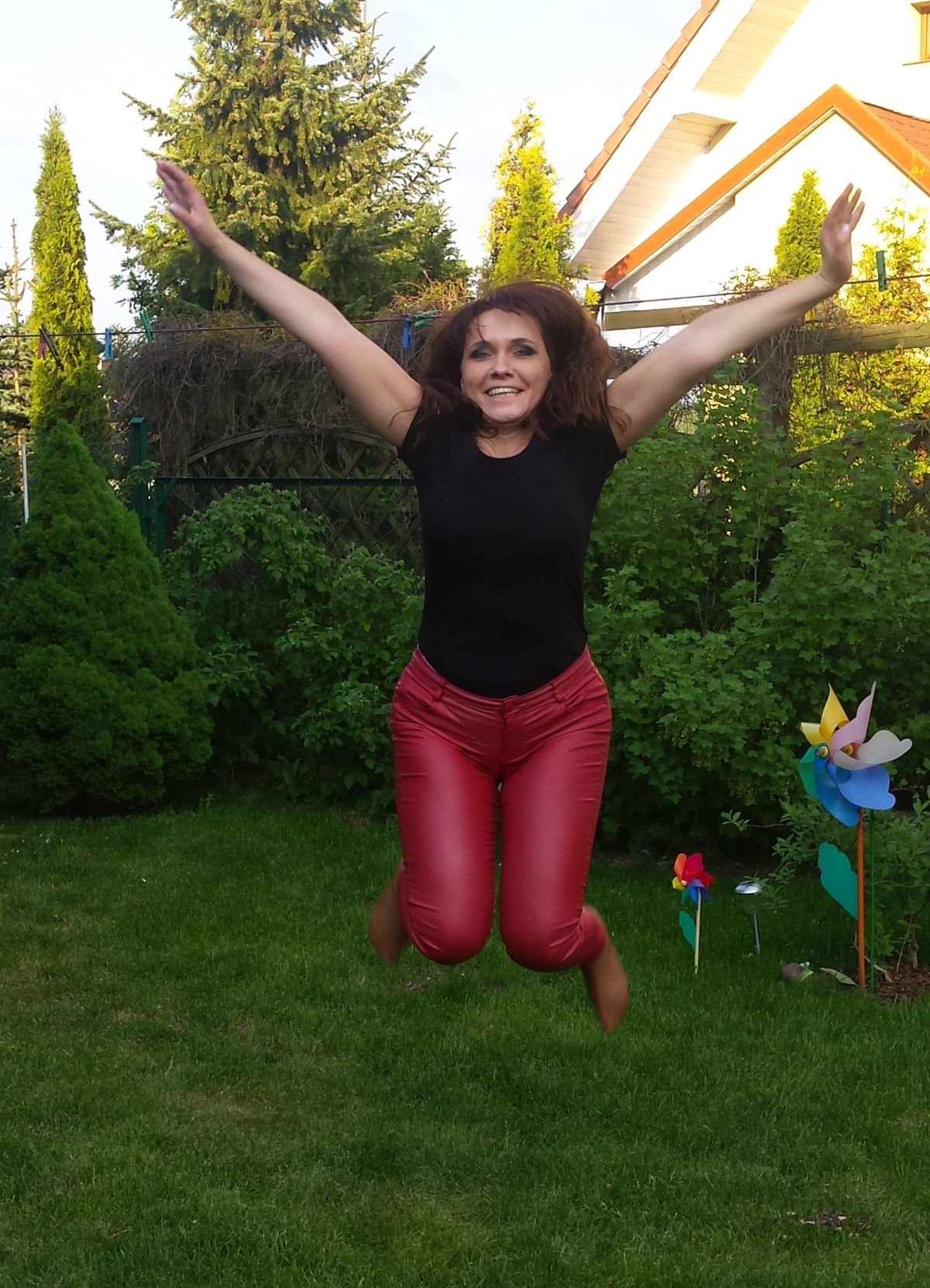
M: Ladies and gentlemen, there are no words for it - it is something indescribable. An incredible joy, reaching the highest layers of the atmosphere. Perhaps a little bit of it will illustrate the situation when, after waking up a day or two after the procedure, I saw that I could already see (but I wrote) better than immediately after the procedure, I was tearing up with happiness. I howled like a beaver. I couldn't believe it was true that just yesterday I was blind and now I can see 🙂 I think that's the best review - tears of happiness. Believe me, every day since the day of the operation, when I get up in the morning, I thank Fate that it has all turned out so positively, and sometimes I get a slight fear if it is really true.... is it all luck...?
B: Would you recommend your friends or family to have this treatment?
DEFINITELY YES. There is not even anything to discuss here. People, get your eyes done, because this great gift of technology in experienced hands is the greatest gift and happiness you can give yourself. Only we visually impaired people can mutually fully understand how amazing it is. Probably more so than the moon landing 🙂
[star_rating]


