
Did you know that dry eye syndrome is mainly influenced by inadequate eye surface moisturization?
Tears are the first layer that separates our eyes from the outside world. They are also the first center of light refraction that then passes through further eye structures to ultimately reach the back “wall” of the eye – the retina. The image is formed there and transmitted via the optic nerve to the brain. For the image on the retina to be clear, all centers of light refraction must function properly.
Symptoms of dry eye syndrome are mainly caused by a lack of tear secretion. They can also be caused by an abnormal structure of the tear film. The most common symptoms of dry eye syndrome are: stinging, burning, and a feeling of dryness in the eyeball. The symptoms arise because in each case there is a disruption of the continuity of the tear film – the protective layer on the surface of the eye.
Tears, or more precisely the tear film that covers the surface of the eye, consist of three layers:
- Lipid layer – prevents water evaporation, creates a smooth optical surface, and prevents tears from spilling over the eyelid edges.
- Aqueous layer – consists of 98% water. The aqueous layer moistens the surface of the eye. Its task is also to wash away impurities and foreign bodies from the eyes.
- Mucin layer (mucous layer) – helps the aqueous layer to spread evenly over the eye and smooth the surface of the cornea.
How does dry eye syndrome manifest itself? The tear components are secreted by glands located around the eyes (lacrimal gland and Meibomian glands). Dry eye syndrome means that one of the links in this precise system is misregulated. Inadequate moisturization can cause a feeling of sand or a foreign body in the eye, itching, redness, blurred vision, or photophobia. In extreme cases, corneal epithelial erosions may occur. Dry eye manifests itself with unpleasant symptoms, which patients often underestimate. In this case, it is not worth delaying, but to undergo examinations for diagnosis as soon as possible and start dry eye syndrome treatment.
Dry Eye Syndrome (DES) – Eliminate the feeling of sand under the eyelids
Sometimes the tear production system does not function properly. Glands may atrophy, become inefficient, or obstructed. There may also be issues with the composition or density of tears. Incomplete eyelid closure or other eyelid problems can also cause tears to evaporate too quickly, resulting in a feeling of dryness and, consequently, eye fatigue.
When you spend a lot of time in front of a screen, near a heat source, or next to an air conditioner, you are drying out your tear film. If this condition persists, DES symptoms may appear. Ultimately, the improper structure of the tear drainage system can lead to eye moisturization disturbances.
Dry eye syndrome, caused by excessive tear evaporation, occurs when the conjunctiva and cornea dry out, resulting in significant discomfort and burning. Contact lens wearers often suffer from dry eye syndrome.
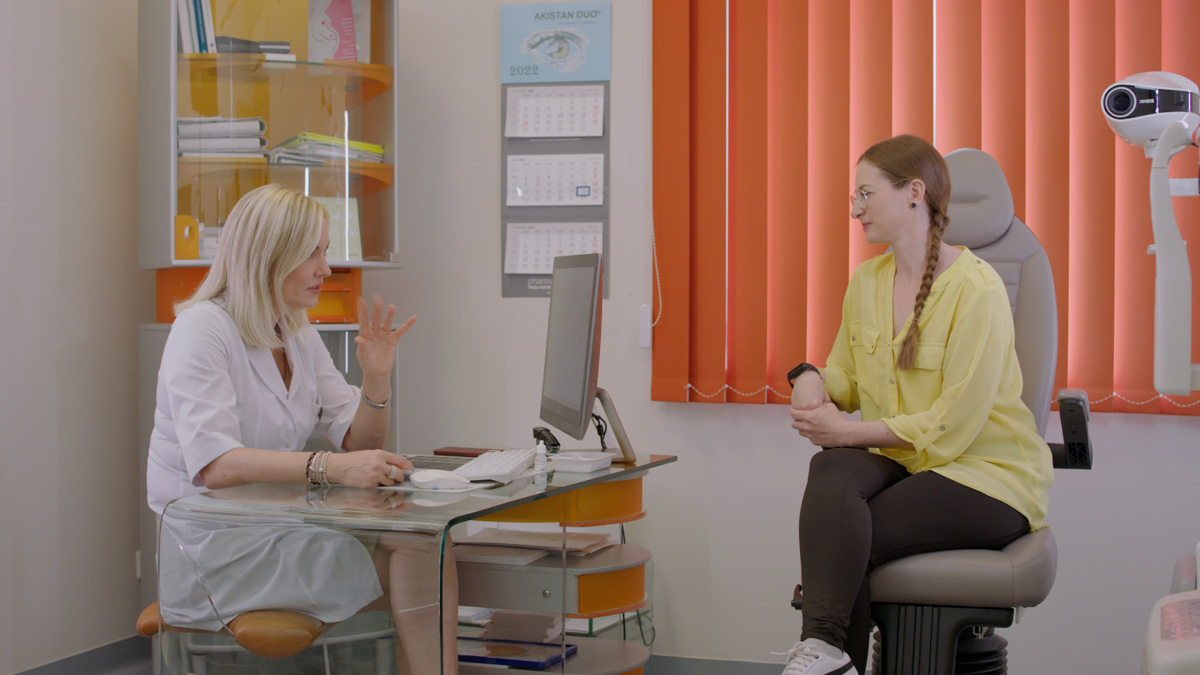
It is important that not only the feeling of dryness in your eyes should prompt you to see a specialist, but also excessive tearing. If you are unsure whether you are affected by DES, the OSDI questionnaire (download) – an indicator of ocular surface disease – will be helpful for self-completion. If you have difficulty interpreting the results, you can send the completed form to us by email and you will receive a professional response. Eye diseases, such as this one, manifest with painful symptoms. They should not be ignored but addressed to a specialist as soon as possible, who will confirm or rule out dry eye syndrome through appropriate tests.
Dry Eye Syndrome – Treatment
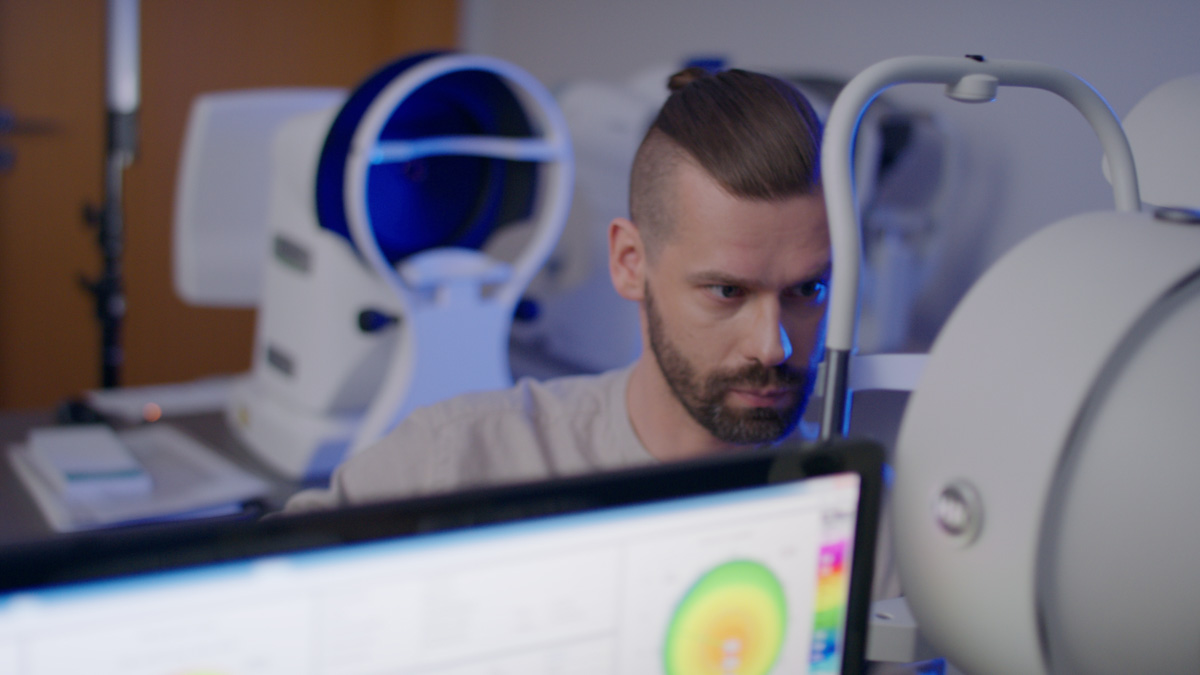
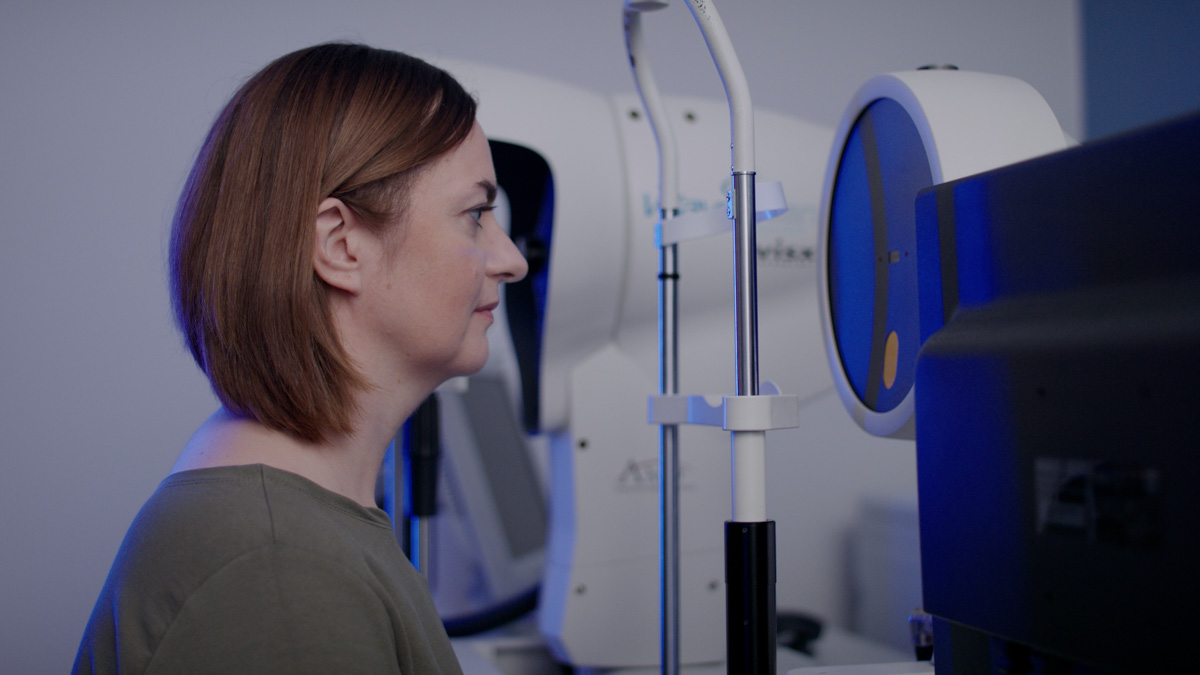
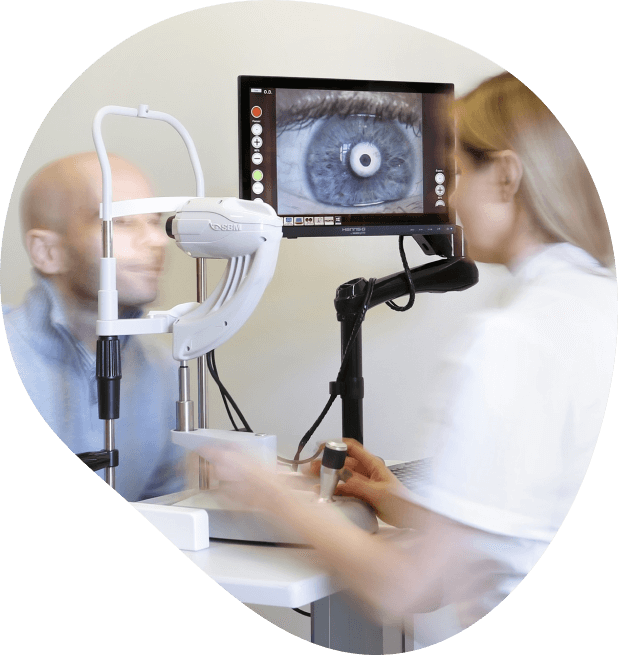
To provide assistance, we need to examine what is wrong or not functioning properly in the structure of the tear film or in the anatomy of the lacrimal system. However, to understand this, more extensive testing is required than what is typically conducted in most facilities.
The examinations we conduct include:
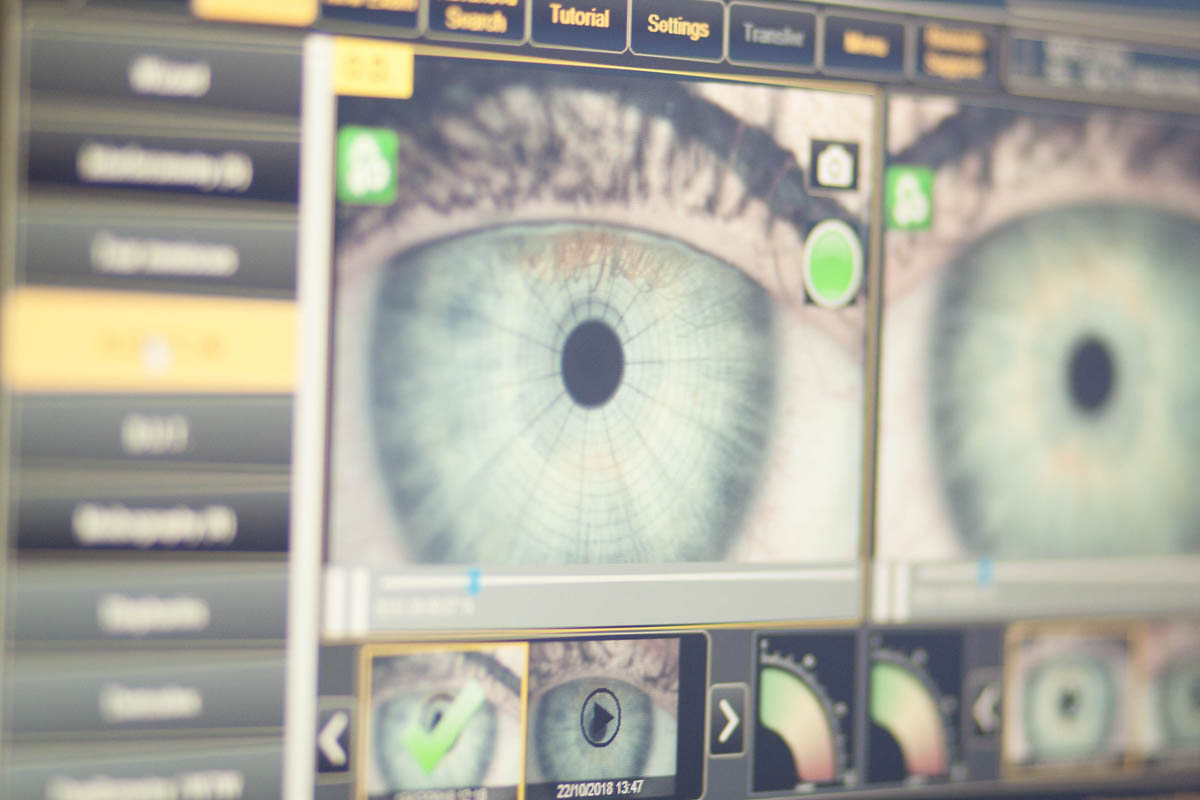
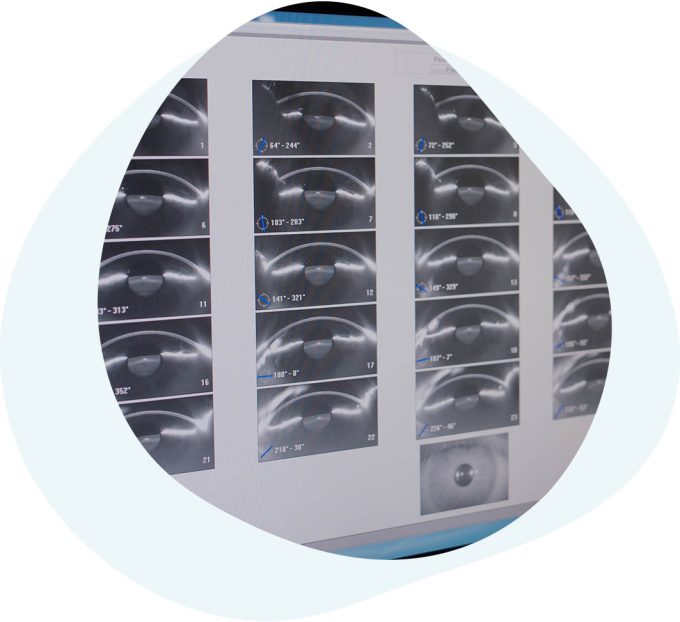
- Meibography (OSA) – using a special camera, we examine the condition of the glands (MGD) and any potential atrophy.
- Meibomian Gland Evaluation – we assess the type of secretion emerging from the openings of the glands in the eyelid margin, the LIPCOF scale, and Marx’s line.
- Fluorescein Staining of the ocular surface with a yellow filter – facilitates observation of epithelial damage covering the cornea and conjunctiva.
- Schirmer’s Test – used to evaluate the aqueous layer of the tear film and the quantity of tears produced.
- Tear Film Break-Up Time Measurement – informs us about its stability, dependent on the thickness and quality of the tear film’s lipid layer.
(Don’t forget to remove contact lenses before each examination)
Eye dryness can be very troublesome for patients, especially in the case of eyelid inflammation, which may accompany dry eye syndrome. Moisturizing eye drops can alleviate these symptoms, but it’s important to remember that patients should undergo examinations to assess what’s wrong or not functioning properly in the structure of the tear film or the tear.
Reasons why you may struggle with dry eye syndrome:
The tear film plays a crucial role in moisturizing and protecting the surface of the eye from infections and injuries. A thin layer of tear film covers the surface of the eye, keeping it properly moisturized and providing essential nutrients and oxygen. The reason why many people experience “dry eyes” is either insufficient tear production or rapid and intense tear evaporation. Dry eye syndrome occurs due to inadequate tear secretion. Improper eye surface moisturization quickly manifests itself in the form of painful symptoms. Wearing contact lenses can also cause eye dryness. Contact lenses lose their moisture during use, causing them to absorb the moisture on the eye’s surface. As a result, patients experience typical dry eye symptoms and often reach for moisturizing drops (artificial tears) to reduce painful symptoms, but they do not eliminate the problem. In women, exacerbation of dry eye syndrome symptoms may occur during premenstrual syndrome and before menopause. Dry eye syndrome most commonly occurs in individuals over 40 and is significantly more prevalent in women than in men. Dry eye syndrome can also be triggered by workplace environment, poor habits during visual work, and even hormonal changes. Therefore, dry eye syndrome is often the cause of eye redness or stinging. Patients suffering from eye burning caused by improper eye surface moisturization initially combat symptoms with moisturizing drops. However, these have short-term effects. In the case of patients with eyelid inflammation, it is necessary to visit a specialist because using artificial tears alone will not cure the problem. We invite you to take advantage of the examinations we offer at our facility. Treatment for dry eye syndrome should be supervised by a specialist.
How long does it take to treat dry eye syndrome?
Many patients also wonder how long the treatment for dry eye syndrome lasts. It all depends on the severity of the disease and its causes. When the cause is excessive drying of the eye, treatment can last from several days to several weeks. In cases where the cause is, for example, hormonal changes, treatment may take much longer. Patients will learn how to care for their eyes properly at our facility after undergoing all diagnostic tests. Importantly, treatment should be carried out under the supervision of a specialist doctor. Only then is it possible to cure dry eye syndrome. When a patient tries to treat dry eye syndrome independently, they only alleviate persistent symptoms without investigating their cause.
What helps with dry eye syndrome?
When the cornea and conjunctiva dry out, discomfort occurs, and the eyes start to burn. To prevent unpleasant symptoms from worsening visual acuity and causing discomfort, you can apply long-lasting moisturizing eye drops (artificial tears) for immediate relief and soothing. To prevent dry eye syndrome, it is worth minimizing time spent in air-conditioned rooms with low humidity. When you cannot avoid being in dry indoor environments, investing in an air humidifier or using eye drops, which should effectively solve the problem in the early stages, is advisable. However, specialized tests are essential to identify the cause of dry eye syndrome and further action to protect the eyes from excessive evaporation of the tear film. The tear film of the eyes is crucial for comfortable vision. Dry eye syndrome is often associated with reduced tear production, causing discomfort or a feeling of sand under the eyelids. When dealing with this problem, it is essential to ensure proper eye moisturization and take five-minute breaks every hour of continuous work at the monitor to give your eyes a rest from screen radiation. Thanks to such breaks, eye dryness will not be as burdensome as usual. However, this does not exempt the patient from undergoing specialized tests to confirm dry eye syndrome, enabling further action to be taken.
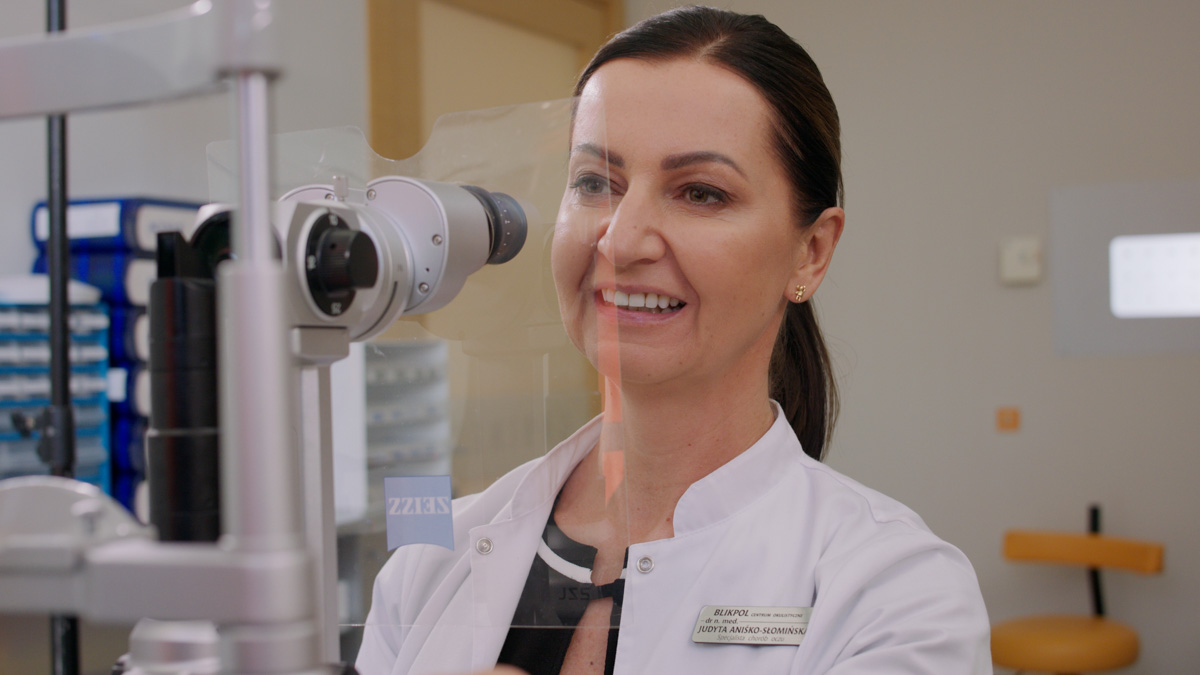
If you experience eye burning, a sensation of a foreign body, or have fluctuations in vision clarity, you probably suffer from dry eye syndrome. It is not worth trivializing eye dryness and exposing yourself to the unpleasant symptoms of this condition. Dry eye syndrome can be fought, but first, appropriate tests should be performed. After undergoing the necessary tests, patients will discover the cause of eye dryness. By following the recommendations of an ophthalmologist, their vision clarity improves, and the bothersome burning and redness of the eyes subside. Take advantage of the package of specialized tests we offer. We will conduct tests such as tear film breakup time and Meibomian gland evaluation, as well as use a special camera to assess the condition of the glands and their potential atrophy. Dry eye syndrome is treatable, but appropriate diagnosis is needed to initiate the correct treatment. You can undergo this diagnosis at our Blikpol facility. After conducting the necessary tests, the doctor may decide, among other things, to close tear ducts. Familiarize yourself with our range of tests. If you suspect you have dry eye syndrome, symptomatic treatment will not solve the problem. Patients with dry eye syndrome should undergo specialized tests offered at Blikpol.
Price List
You may be interested in

Laser vision correction

Opinions

Important questions and answers
-
The frequency of eye moisturizing depends on the severity of dry eye symptoms. For mild dryness, using moisturizing eye drops 1-2 times a day may be sufficient. For more severe symptoms, it may be necessary to use eye drops even every hour. However, it is always advisable to consult with a doctor to adjust the therapy to individual needs.
-
Moisturizing eye drops are usually safe for long-term use if used according to the recommendations. They should not cause any serious side effects. However, if dry eye symptoms persist despite regular use of eye drops, it is worth consulting an ophthalmologist to check if there is any other, more serious cause of the problem.
-
Dry eye syndrome can manifest with various symptoms. The most common ones include: 1. Dryness in the eye or feeling of grittiness under the eyelid. 2. Increased sensitivity to light. 3. Burning or itching eyes. 4. Eye redness. 5. Problems with vision clarity, especially towards the end of the day or after prolonged reading or computer work. 6. Excessive tearing, which is paradoxically a reaction to eye dryness.
-
If you don’t have access to eye drops, there are several ways to alleviate dry eye: 1. Blink frequently: Blinking spreads tears over the surface of the eye, which helps keep them moisturized. 2. Wear glasses: They can protect your eyes from wind and dry air. 3. Drink more water: Dehydration can contribute to dry eyes. 4. Use a humidifier: This is especially helpful in dry or air-conditioned rooms. 5. Avoid screens: Prolonged staring at computer or phone screens can lead to dry eyes. 6. Use warm compresses on your eyes: This can help moisturize your eyes and alleviate symptoms.

Make an appointment
Send us the form below if you want to schedule an appointment.
If you leave your phone number, we will call you back.