
Table of Contents
What is myopia?
A vision defect – minus.
Myopia, also known as nearsightedness, is a vision problem where close objects, like a book or a phone, are clear, while distant objects, like the school board or the TV screen in a bar, are blurred.
It is one of the most common vision problems, colloquially referred to as “minuses.”
Myopia is genetically predisposed but can also occur in individuals with no family history of the condition.
Why? It is determined not only by genetic factors and the connection to abnormal eye anatomy but also by environmental factors that we deal with on a daily basis.
Symptoms of myopia
Although many people suffer from myopia, the symptoms are still significant. These include worsening vision at night or during dusk, difficulty performing basic tasks, and problems with seeing things at a distance.
The causes of myopia are linked to various factors, including genetic predisposition, work habits, potential diseases, and injuries.
What most often causes blurred vision is the optical system of the eye and the length of the eyeball, so myopia is frequently passed down from generation to generation.
Another important cause is working at close range, especially with a computer. In this case, excessive strain leads to the development of myopia, which is a direct result of exposure. For this reason, it is essential to wear corrective lenses or glasses.

How does a nearsighted person see?
A nearsighted person cannot see distant objects clearly. The greater the myopia, the closer the “loss of sharpness” occurs. Why is this the case?
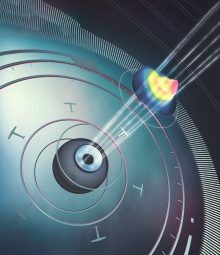
In myopia, the elements of the eyeball are too curved, so parallel light rays entering the eye do not focus directly on the retina but instead focus in front of it. In this case, the image is formed before the retina, and the person can only see clearly at close distances. The overly curved lens incorrectly refracts light rays.
This makes the only way to achieve clear vision to squint during activities like reading from a board. However, as a result of this constant effort, headaches or eye pain may begin to occur..

Treatment of myopia
How to treat a vision impairment? The standard method for “treating” myopia, or more accurately correcting it, is to choose contact lenses or glasses.
Nearsighted people manage their myopia with diverging lenses marked with a minus sign (-), which are selected by a specialist based on the degree of the vision impairment.
However, from the experiences shared by our patients, we know that traditional glasses don’t solve many problems; they can often be inconvenient, and the discomfort can become more tiring over time.
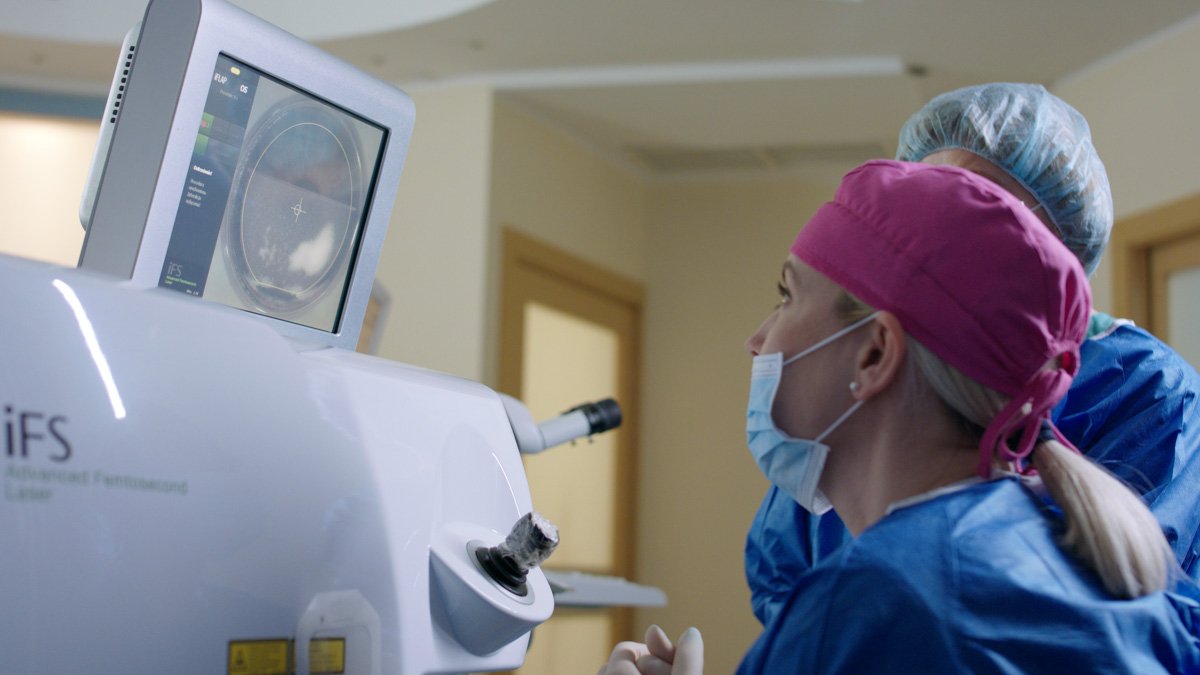
Therefore, if we want to see a real change in our quality of life and contact lenses are not sufficient, we should consider a laser procedure, which is the only way to permanently eliminate myopia.
If this option seems interesting to you, feel free to check out the video below.
How we removed Pawel’s -5D astigmatism?
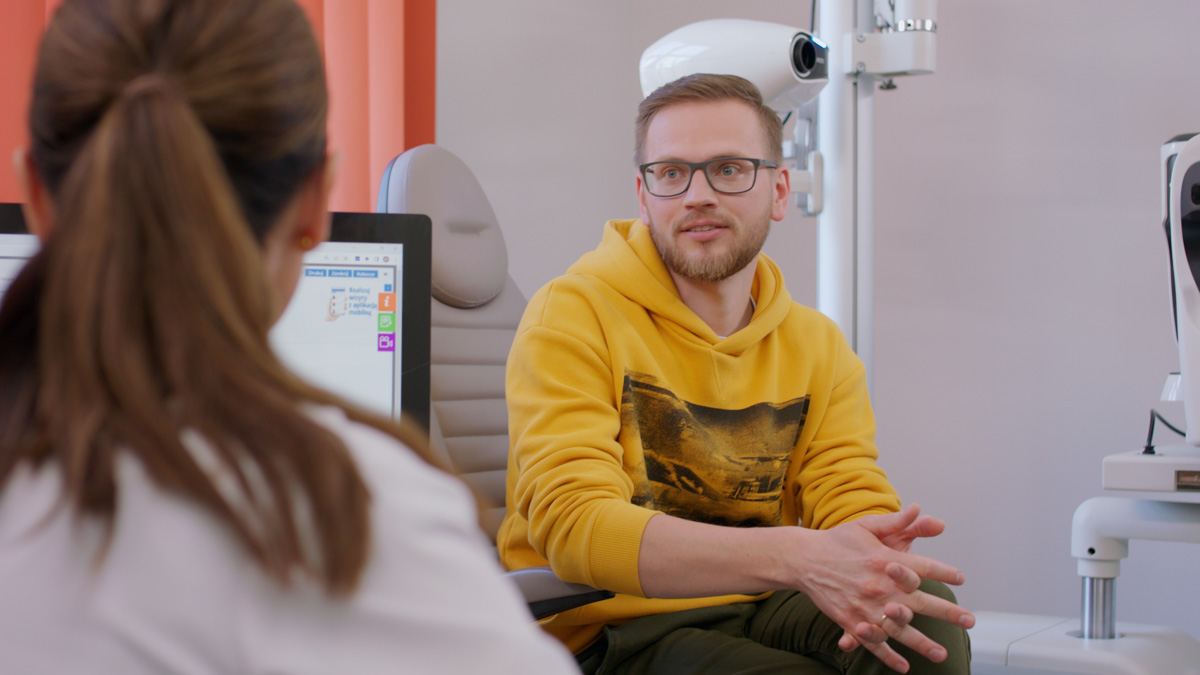
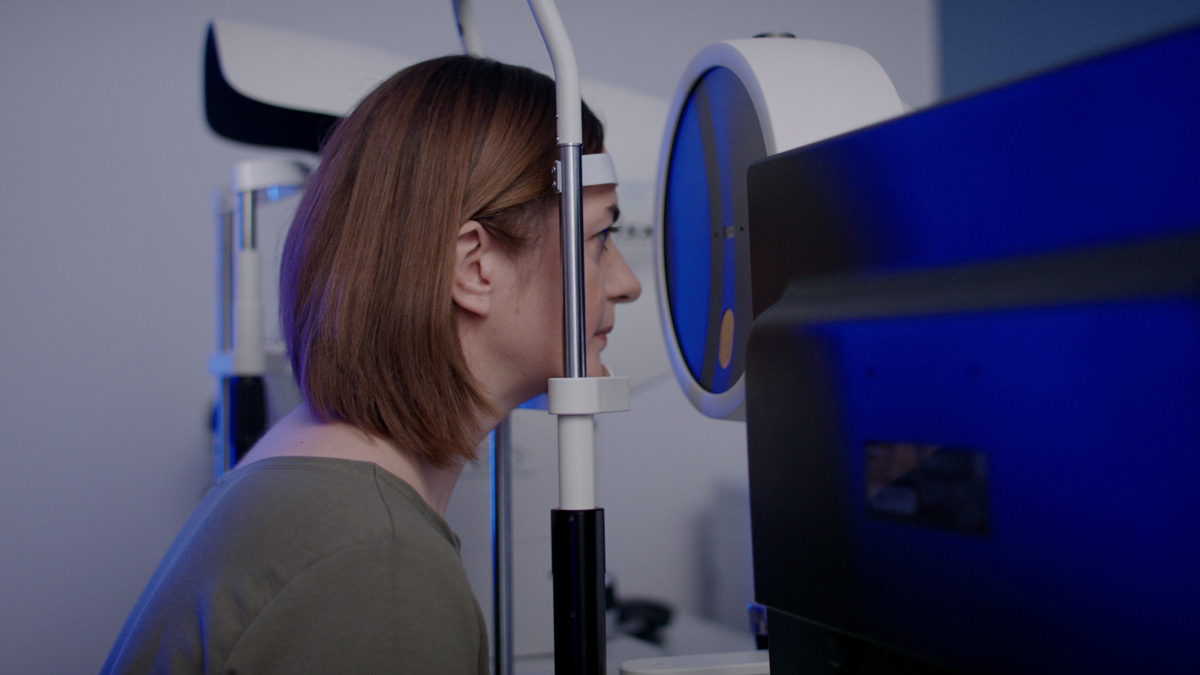
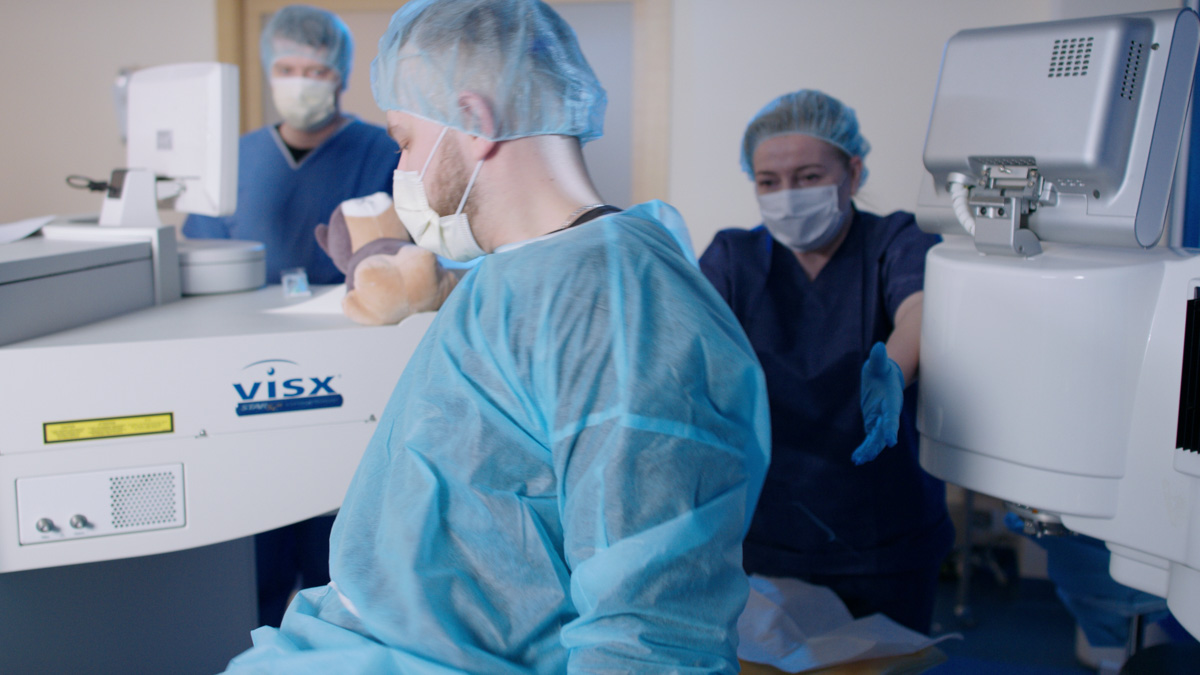
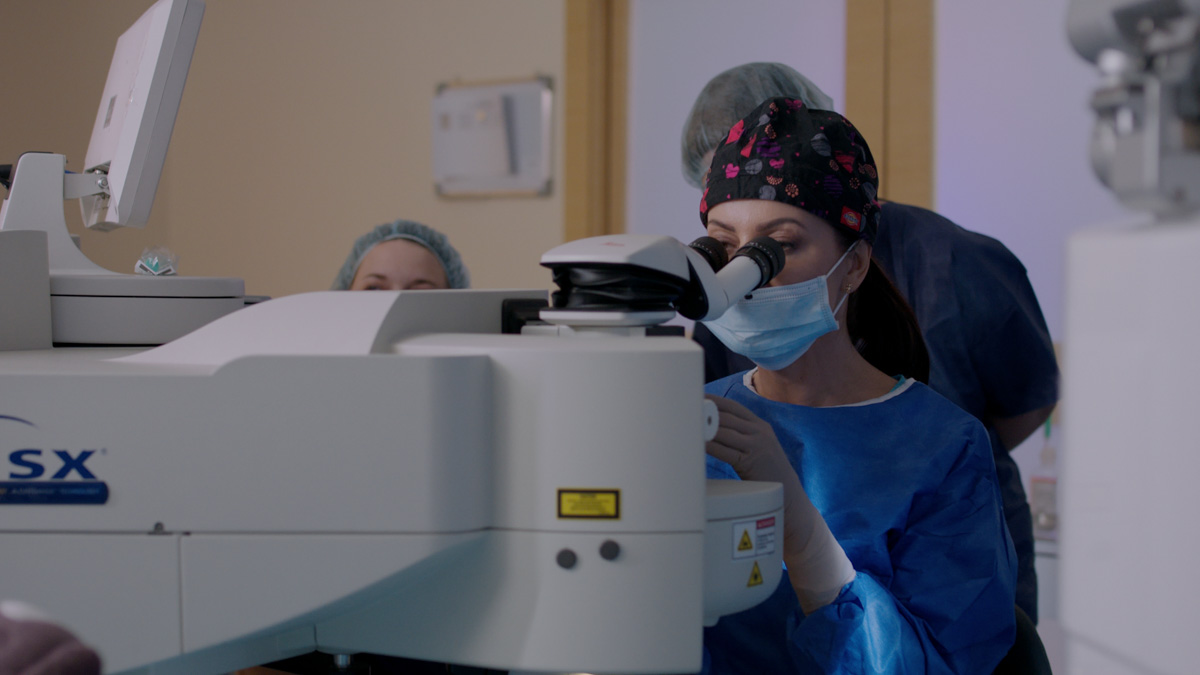
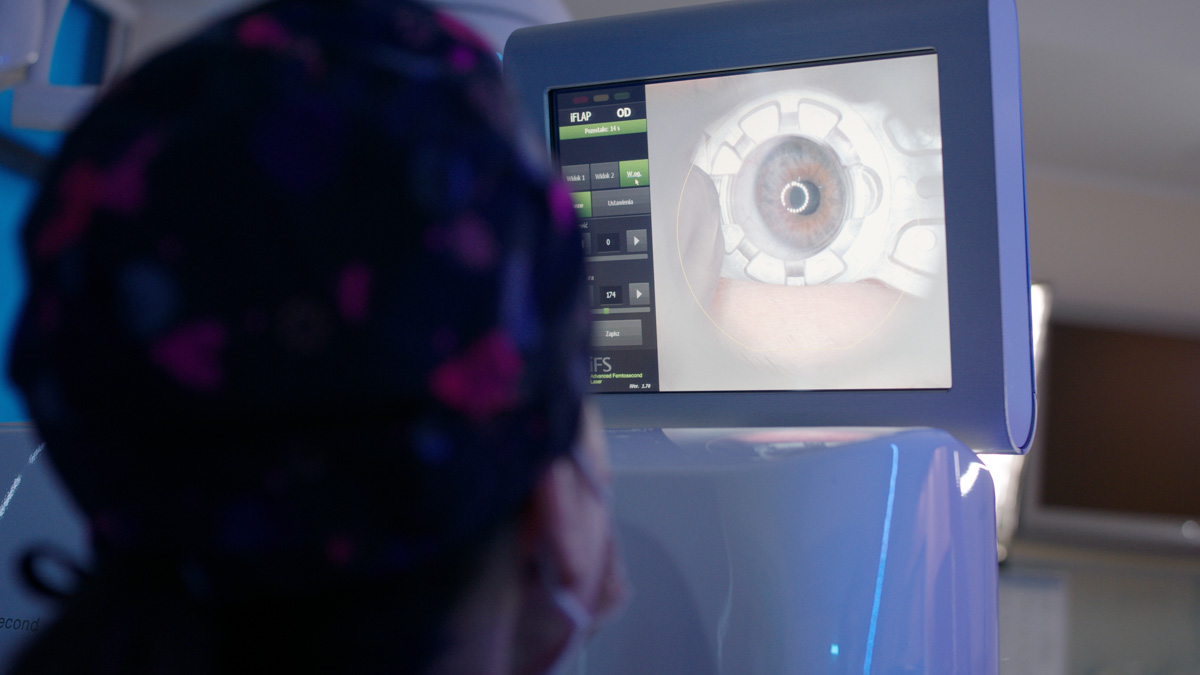
- What the laser vision correction procedure looks like in our center – from the qualification visit, through the procedure, to follow-up exams.
- Does the procedure hurt? (Answered by our surgeon)
How long does it take to recover after the vision correction procedure?
In Blikpol, we offer a procedure for the permanent removal of myopia up to approximately -13 diopters.
Types of myopia
- Axial Myopia – This is the most common type, caused by an excessively long eyeball. It typically develops during adolescence and may progress with age.
- Curvature Myopia – This type is caused by an excessively steep curvature of the cornea and lens, which can be a congenital condition, but is most often the result of accommodation spasm, i.e., excessive contraction of the eye muscle.
- Refractive Myopia – In this case, the optical system of the eye is normal, but the lens has too large a refractive index, which can occur due to diseases like diabetes or cataracts.
In addition to identifying the types of myopia, we can also discuss the degree of myopia:
- Low Myopia – Often referred to as “school myopia,” it develops during childhood and adolescence, reaching its maximum by the age of 20. In mild myopia, the degree rarely exceeds -3.0 diopters.
- Moderate Myopia – This type typically ranges from -4.0 diopters to -6.0 diopters.
- High Myopia – The first signs appear in early childhood or even infancy. It progresses very quickly and exceeds -8.0 diopters.
Which lenses can correct myopia?
If you don’t want or cannot undergo a vision correction procedure, there are solutions that have been known for years.
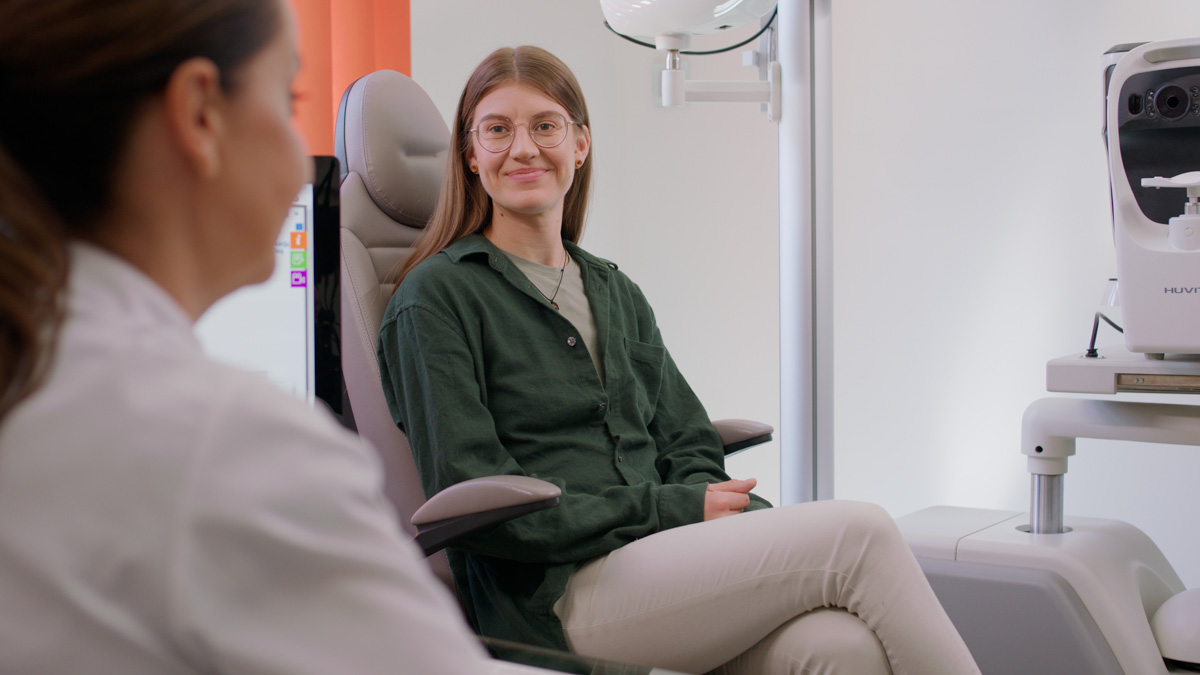
Contact lenses for correcting myopia are always selected by a specialist – an optometrist or ophthalmologist – who conducts tests to assess if there are any additional issues, such as accompanying astigmatism.
In such cases, we should use lenses with a cylinder to correct not only the base myopia but also any bothersome astigmatism.
From our experience, many people use lenses or glasses that are not properly fitted. Sometimes they were well-fitted at first, but the degree of myopia changes over time.
Improperly fitted lenses can cause a lot of discomfort, including headaches or the need to squint.
How to stop myopia?
One of the preventive methods, or rather ways to counteract the development of myopia, is outdoor physical activity and frequent breaks from focusing our vision.
We should spend at least 2-3 hours a day outdoors, as studies have shown that this is enough to slow down the progression of myopia. While looking into the distance, our pupils constrict in brighter light, which provides much better depth of field.
Therefore, if we want to talk about a real change in quality of life,and contact lenses are no longer sufficient – let’s consider a laser procedure,which is the only way to permanently eliminate myopia.
Can myopia be reversed?
Myopia cannot be reversed through exercises; we can only slow its progression. The only option that allows patients to permanently deal with this vision problem is laser vision correction.
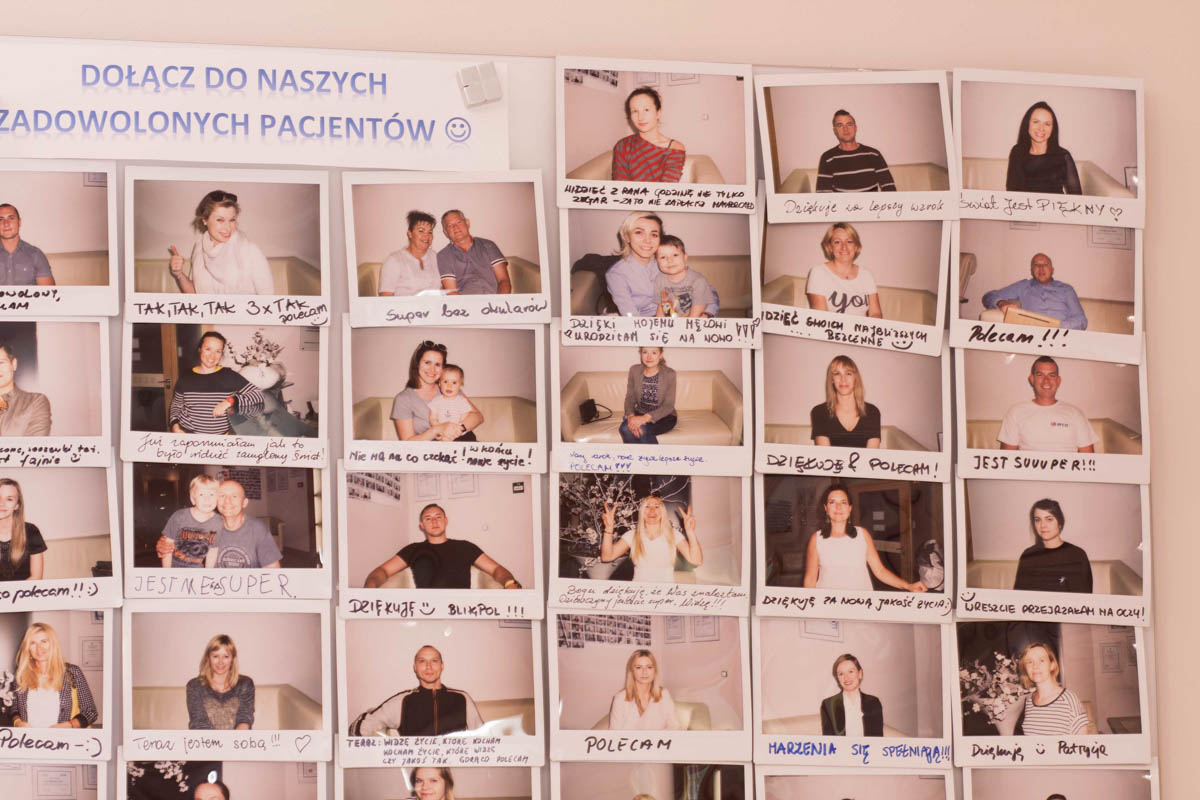
Our doctors have already helped many patients improve their satisfaction with daily life.
Smartphones are fundamentally changing us
Smartphones and other screens are turning upside down the balance of time we and our children spend looking at objects up close compared to looking at things in the distance.
For many of us, myopia is something we don’t worry too much about for many years.
Unfortunately, when neglected, it significantly increases the risk of much more serious diseases in later life.
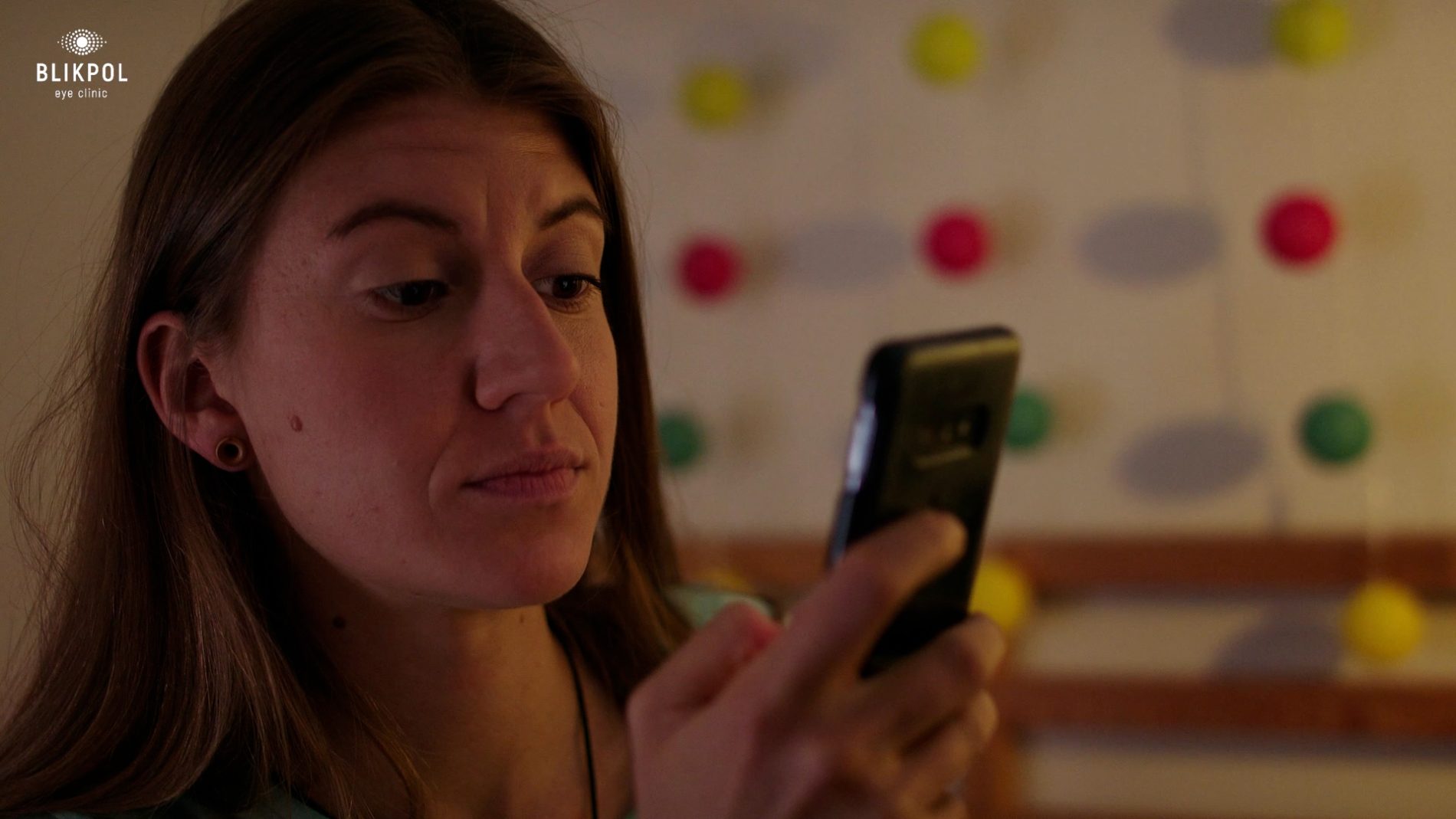
Myopia – The story of the director of blikpol
Pamiętam, jak mając mniej więcej lat osiem i pół usłyszałem, że potrzebuję okularów.
Zdecydowanie nie byłem najpopularniejszym dzieciakiem w klasie czy na podwórku i na pewno zależało mi na opinii moich rówieśników. O córce przyjaciół moich rodziców, pierwszym dziecięcym zauroczeniu jakie pamiętam – nie wspominając…
To była mniej więcej połowa lat 90. w Gdańsku – cały wolny czas spędzaliśmy ganiając się po podwórkach, ścieżkach, uliczkach, za garażami, śledząc się w podchody, zbierając kapsle, żując gumy Turbo czy skacząc na sznurach zrobionych z-absolutnie-wszystkiego-co-wpadło-w-ręce…
Wywoływaliśmy pokłady zbiorowej radości, kiedy jedno z nas dostało kilka złotych na lody i czipsy dla całej bandy. W tamtych czasach dzieciaki w okularach mimo wszystko nie były widokiem aż tak częstym.
Tak więc – słowa okulisty o okularach… to brzmiało jak wyrok. Oczami wyobraźni już widziałem ogromne denka, słyszałem niekończący się rechot kolegów i koleżanek, wyczuwałem spadek chęci do bycia ze mną w drużynie w pobite gary czy w piłkę. Rzeczywistość okazała się być może łaskawsza w zakresie grubości szkieł, ale ten kolor…
Mama była absolutnie i śmiertelnie przekonana, że w czerwonym będzie mi do twarzy. Tak tak, dzisiaj powiedzielibyśmy – mały Jurek Owsiak jak nic.
No i chyba trochę te prorocze wizje się sprawdziły, bo żartowanie ze mnie trochę trwało. Trochę – bo na szczęście Sandrze (tak miała na imię moja sekretna luba) chyba aż tak nie przeszkadzały i nadal lubiła ze mną spędzać czas.
Symboliczne jest, że dopiero w wieku dwudziestu kilku lat, już jako świeży pracownik Blikpolu – dowiedziałem się, że tak naprawdę moja wada to niedowidzenie. Nie da się jej korygować szkłami (czyli np. okularami), bo one dużo nie zmieniają. Problem jest neurologiczny.
Znakiem czasów jest, jak szybko możemy wykrywać najróżniejsze wady. W latach 90-tych możliwości były zdecydowanie mniejsze, a diagnozy nie zawsze poprawne.
More and more myopia around the world – an epidemic of our times?
Today in Europe, what we consider normal and common is changing drastically.
Already, half of teenagers and young adults suffer from myopia.
In Asia, these rates reach around 80-90%.
In Seoul, the capital of South Korea, 96.5% of 19-year-olds have been diagnosed with myopia.
Has the trend reversed and now children laugh at their peers who don’t wear glasses? “Hey, no-glasses!”
The myopia epidemic is spreading faster than the obesity wave. The younger generation doesn’t run around playing soccer, doesn’t spend hours calling friends or asking if Agata, Michał, Kasia, or Sebastian are going outside to play.
In the past, our parents were worried about us watching too much TV. Today, many of us are happy when our children watch TV, because it’s two meters away from their eyes, not forty centimeters.
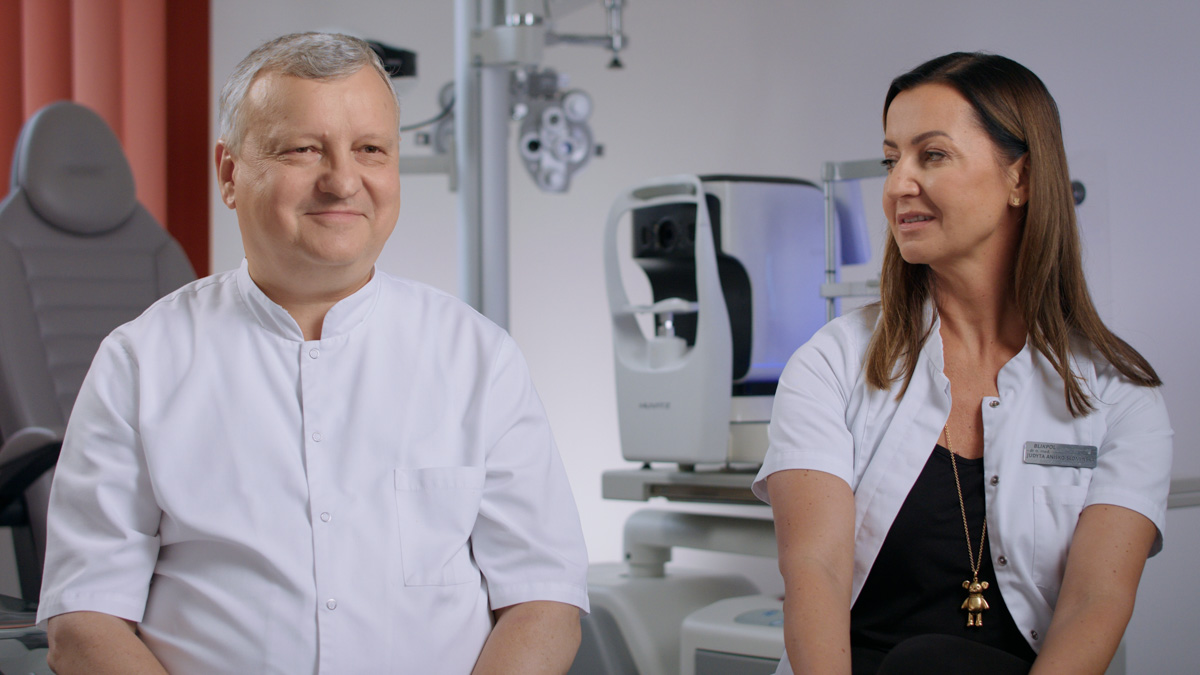
Eye doctors debate the main factors behind the dramatic increase in myopia over the past few decades.
Causes of myopia – popular explanations
One common explanation is the widespread habit of reading. Some scientists believe that reading a lot can cause the lens of the eye to elongate, which in turn distorts the image projected onto the retina. The impression that libraries always had more bookworms wearing glasses is undeniable.
On the other hand, kids have been reading for generations, so this can’t explain the dramatic rise in myopia seen in recent decades.
The development of myopia – A few words about smartphones
So, could it be the screens? Most eye doctors agree that screens accelerate the progression of myopia, although the distance from which we usually watch TV is much safer than the distance from which we look at smartphones or tablets.
Engaging in sports and outdoor activities seems to have a very positive impact on eye health at a young age, directly influencing the presence and severity of myopia in people’s twenties or thirties.
Causes of myopia – Interesting Studies
A recent American study of eight-year-olds found that one in five children developed clear myopia within four years – and almost all the children in the group with vision problems had engaged in very little or no physical activity. The conclusion? Exercise, exposure to natural environments, adequate sunlight, and limited screen time may be key to maintaining healthy vision in eight-year-olds.
In another study of two thousand 12-year-old Australians, it was found that indoor sports offered virtually no benefits for eye health. On the other hand, outdoor physical activity was indeed beneficial – significantly so.
The scale of the problem in Asia may stem from the immense pressure placed on education. Parents fill their children’s days from morning to night, resulting in almost no time for outdoor activities or physical exercise.
Not only do screens impair our attention span, but they also disrupt sleep quality and hinder social skills development. This affects both adults and children (children acquire interpersonal skills and emotional intelligence by observing human faces and the emotions that appear on them in different situations; these experiences are lacking on phones).
Factors affecting the progression of myopia
- Genetics: A family history of myopia is one of the strongest predictors for its development and progression. If both parents are myopic, the risk of their children developing and progressing myopia is significantly higher.
- Environmental factors: Prolonged close-up activities, such as reading, working on a computer, or using mobile devices, can contribute to the development and progression of myopia. Additionally, insufficient exposure to natural light is also considered a risk factor.
- Imbalance between accommodation and convergence: Incorrect proportions of these ocular mechanisms can lead to accommodation overload, which over time may promote the progression of myopia.
Physiological mechanisms of myopia progression
Myopia progresses through the excessive elongation of the eyeball. In a normal eye, when light passes through the lens, it is precisely focused on the retina. In the case of myopia, the eyeball becomes too long in relation to the optical power of the eye, causing light to focus in front of the retina.
The process of eyeball elongation is complex and may be caused by differences in lens thickness or shape, changes in the thickness or flexibility of the cornea, as well as structural changes in the sclera (the white part of the eye).
Management and control of myopia progression
- Optical correction: Glasses or contact lenses are the primary method for correcting myopia, though they do not prevent its progression.
- Pharmacological treatment: Low doses of atropine can be used to slow the progression of myopia, especially in children.
- Orthokeratology: The use of rigid contact lenses worn overnight, which temporarily reshape the cornea, allowing for clear daytime vision without the need for glasses or contact lenses.
- Behavioral therapy: Encouraging more outdoor time and limiting close-up activities can help slow myopia progression.
Inhibitor of eyeball growth – what is it?
An inhibitor of eyeball growth is a substance or method used to control or slow down the growth of the eyeball, which is particularly useful in treating myopia (nearsightedness). Myopia often worsens due to excessive elongation of the eyeball, causing images to be focused in front of the retina instead of directly on it, resulting in a blurred image of distant objects.
Inhibitors of eyeball growth are mainly used in children and adolescents, as this is when the eyeball growth process is most active, and interventions can be most effective in preventing further progression of myopia.
Examples of methods and substances used as inhibitors of eyeball growth include:
- Atropine – A medication applied in low doses to the eyes, which has been shown to effectively slow down the progression of myopia in children. Atropine causes pupil dilation and temporarily immobilizes the eye muscles responsible for accommodation (the ability of the eye to change the shape of the lens to focus on objects at different distances).
- Special contact lenses – Sometimes, special multifocal contact lenses or orthokeratology lenses (worn only during sleep to correct the curvature of the cornea) are used to help control the length of the eyeball and reduce myopia.
- Special glasses – In some cases, glasses with specially designed lenses are used to reduce the accommodative load on the eyes and thus limit the growth of the eyeball.
Smartphones are putting glasses on our noses.
Intensified myopia, with age, stops being just an inconvenience and limitation. It can lead to much more serious conditions – glaucoma, cataracts, retinal detachment.
Recently, we hosted at our clinic in Sopot Wyścigi a child whose vision sharpness deteriorated by 30% in just 6 months.
A month ago, parents came to us with an 11-year-old, complaining of double vision at a distance after too long of a weekend session with a tablet. Such cases are becoming more and more frequent.
Important questions and answers
-
Nearsightedness, also known as myopia, is a vision condition in which a person can see objects clearly up close, but distant objects appear blurry. This is caused by improper focusing of light on the retina: instead of focusing directly on the retina, the light is focused in front of it. Nearsightedness is corrected with diverging lenses, which are placed in glasses or contact lenses.
-
A person with myopia (nearsightedness) sees objects that are close clearly, but distant objects appear blurry. This can make activities like reading road signs, recognizing faces from a distance, or watching television more difficult. The condition is caused by improper focusing of light on the retina, leading to distortions in distance vision.
-
Myopia (nearsightedness) can worsen, especially during childhood and early adulthood when the eye is still developing. The progression of the condition is often noticeable during periods of intensive study or when spending long hours reading or using a computer. In some individuals, the condition stabilizes in adulthood. Regular eye exams are crucial for monitoring and correcting the condition.
-
It is not necessary to wear glasses all the time with myopia, but it depends on the severity of the condition and individual needs. People with mild myopia may only need glasses in situations that require clear vision at a distance, such as when driving. In the case of significant myopia, glasses may be needed almost all the time. The decision on when to wear glasses is best made after consulting with an ophthalmologist.
-
Myopia (nearsightedness) itself usually does not lead to blindness. However, individuals with high myopia are at greater risk of developing other serious eye problems, such as retinal detachment, glaucoma, or advanced degenerative changes in the retina. These complications can increase the risk of vision loss, which is why regular eye exams are crucial for monitoring eye health.
-
Myopia (nearsightedness) is not considered a disease in the traditional sense of the word. It is rather a refractive error, which means the light is not properly focused by the eye, leading to distortion in vision at a distance. However, myopia can increase the risk of other eye problems, such as retinal detachment or glaucoma, which can be serious eye diseases.
-
Myopia (short-sightedness) typically begins in childhood and often worsens during adolescence. In most cases, it stabilizes around the age of 20 to 30. However, in some individuals, it may continue to progress into adulthood. This is why regular eye check-ups with an ophthalmologist are essential to monitor any changes and adjust optical correction as needed. For more detailed information on the progression of myopia, it’s important to consult with eye care professionals who can provide personalized advice based on individual health and lifestyle factors.
-
Myopia (short-sightedness) often has a genetic basis and is more common among individuals with a family history of the condition. However, environmental factors, such as spending excessive time on activities like reading, office work, or using electronic devices, can also influence the development and worsening of myopia. Both genetics and environmental factors are therefore considered to work together in the progression of this visual impairment. For example, children who spend a lot of time on close-up activities may be at greater risk of developing myopia, especially if there is a genetic predisposition in the family. Similarly, increased screen time has been associated with a higher risk of myopia development.
You may also be interested in:


Ocen: Myopia