Cataract surgery
On the National Health Fund (NFZ)
and privately – very short waiting lists


Unfortunately, cataracts cannot be cured pharmacologically. The only remedy is a surgical procedure to remove the cataract. During the operation, the natural lens is replaced with a new synthetic one, allowing for correct vision. Cataracts can be either inherited or acquired.
Cataracts most commonly affect older individuals. They can develop due to injuries or the use of certain medications but are primarily a result of the natural aging process and tend to worsen over time.
Today’s technology and medicine enable doctors to use many effective and innovative methods to treat cataracts, allowing patients to enjoy sharp vision almost immediately after cataract surgery.

Qualification exam – preparation for cataract removal
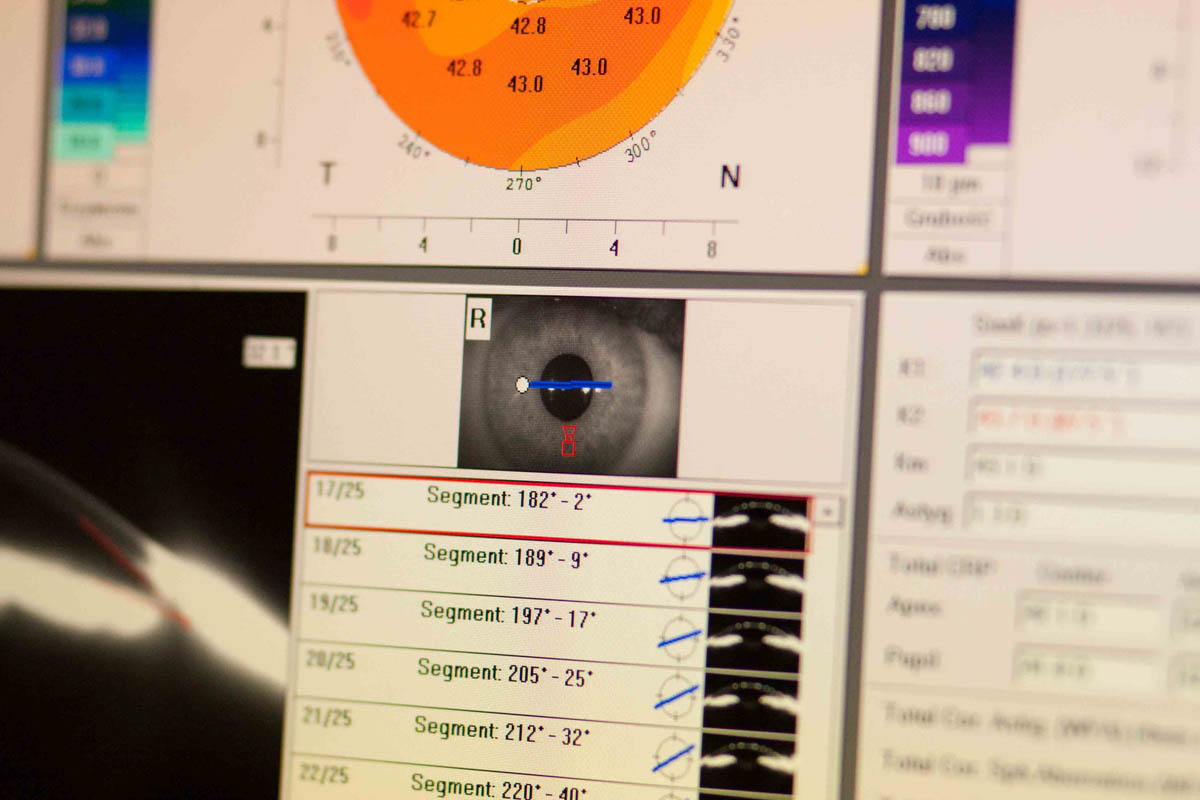
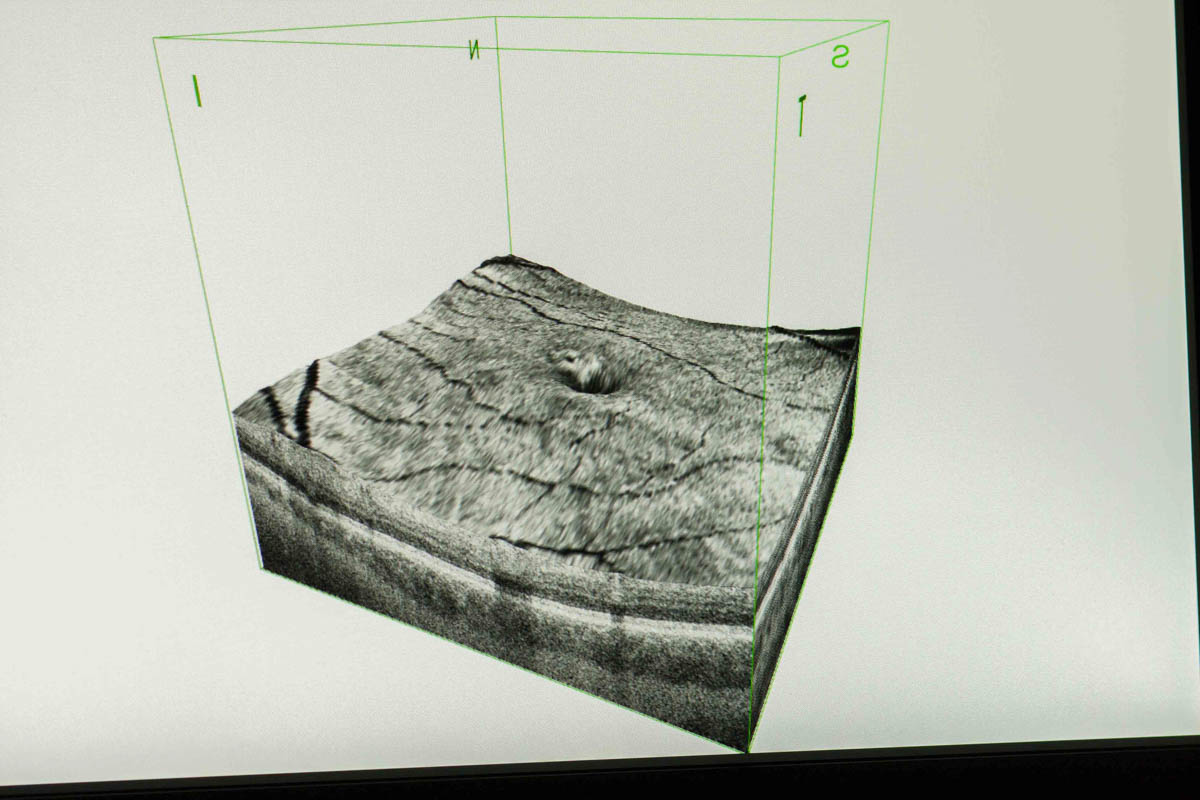
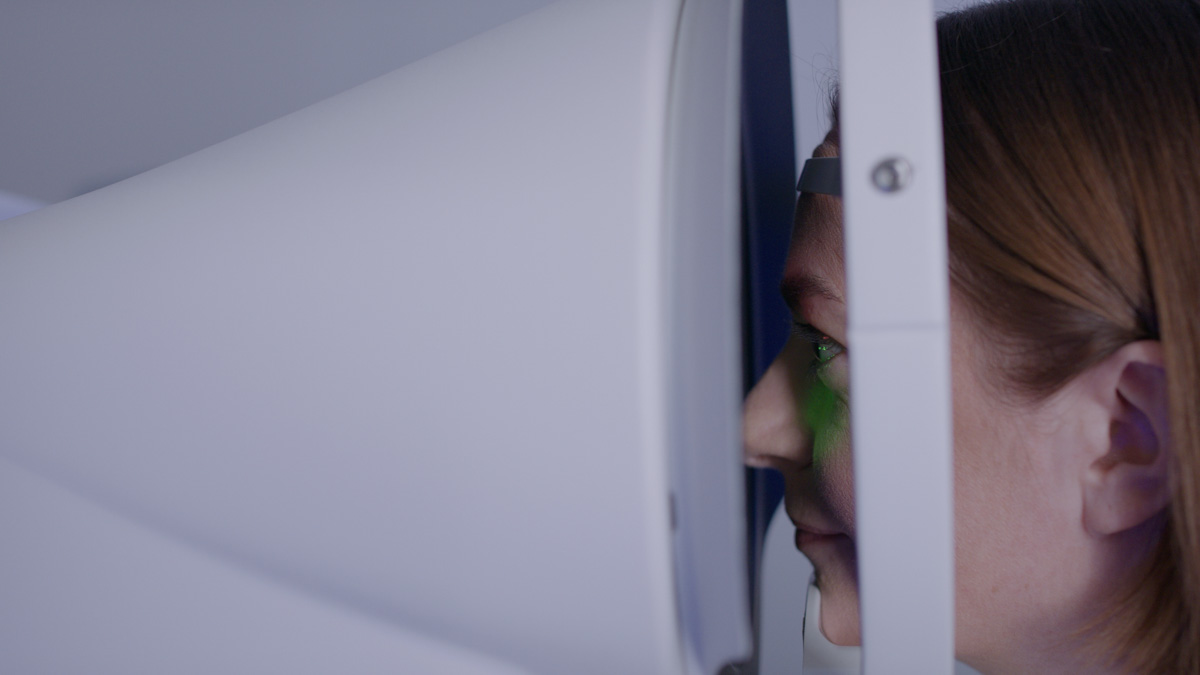
Before every cataract surgery, a qualifying examination that determines the patient’s eligibility for the operation is necessary. For many years now, advancements in modern technology and high safety standards mean that cataract removal does not require a hospital stay.
Staying at the medical center – both the surgery and rest period – lasts about two to three hours. There’s no need for general anesthesia; only local anesthesia is used. After the surgery, you can leave the center on your own and quickly return to your normal lifestyle.


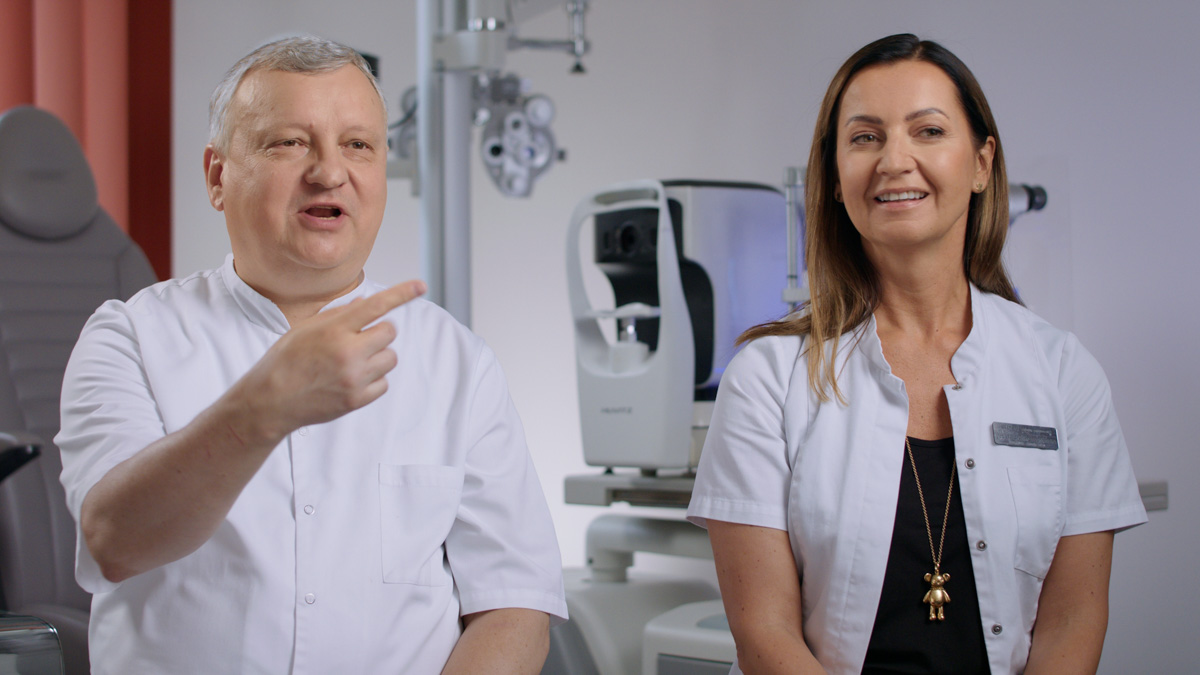
At our facility, cataract surgeries are performed by some of the best surgeons in Pomerania. Dr. Paweł Lipowski, Dr. Barbara Krupa-Szafran, and Dr. Witold Kokot are highly experienced operators and authorities in our region, with years of service as heads of ophthalmology departments in their hospitals. Together, they have conducted over 6,500 cataract removal surgeries at our center.
Blurred vision and a change in the color of the iris are the most common symptoms of the disease

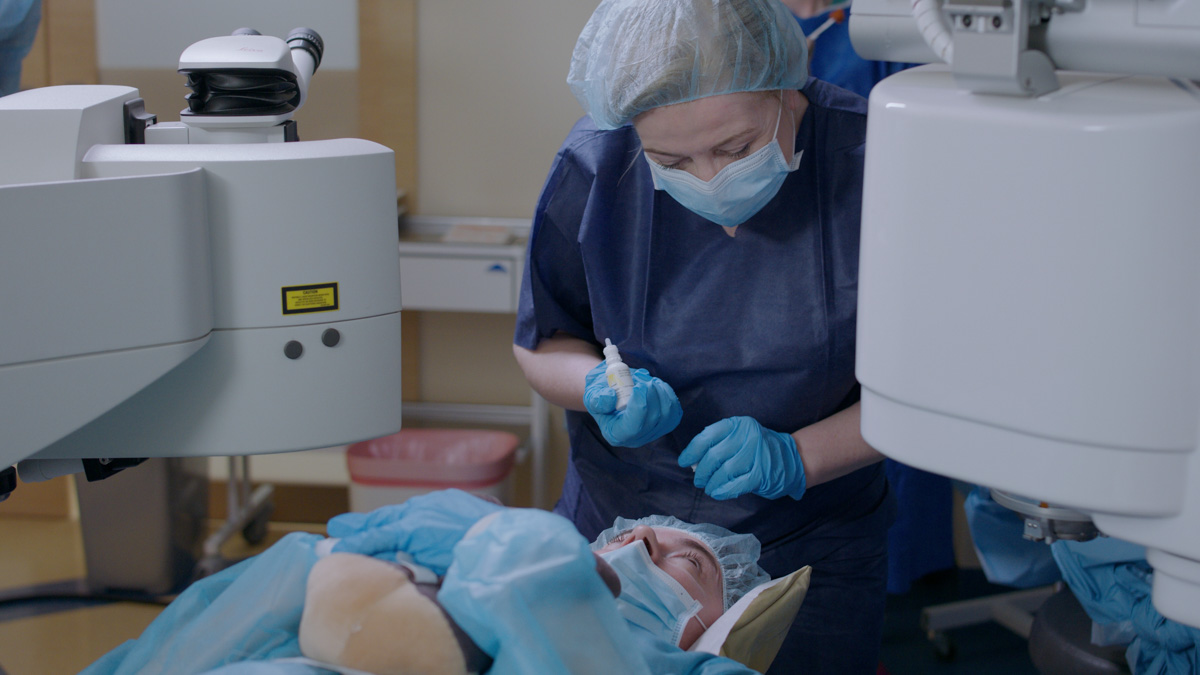
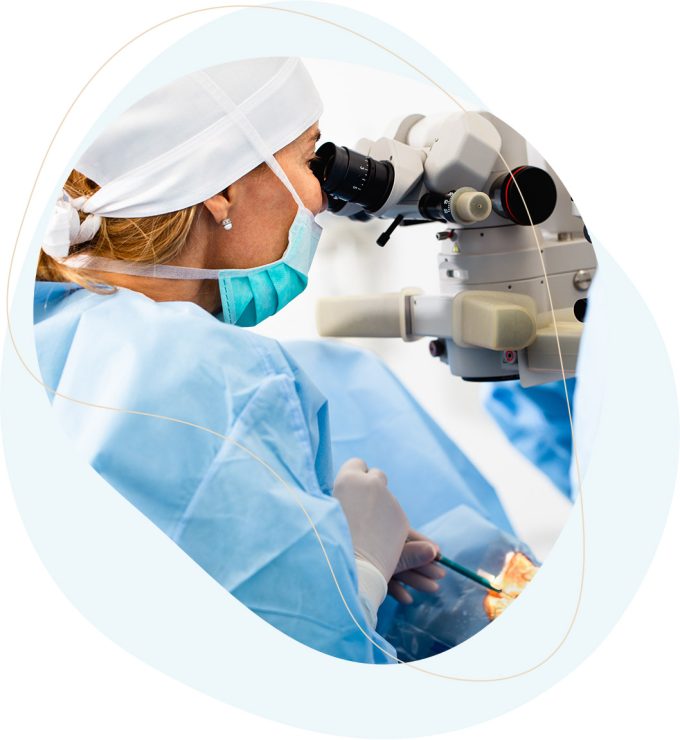
The cataract removal operation is a procedure lasting about half an hour. Its essence is to get rid of your clouded eye lens and replace it with a new, perfectly clear one. During the procedure, our surgeon makes a tiny incision, through which the old lens is first removed using ultrasound. In the next step, a synthetic intraocular lens is placed in the same spot. This will restore very good vision. Because the incision is tiny, there will be no need to stitch it up, and it will heal very quickly. The individual steps include:
- local anesthesia (drops)
- breaking up the cloudy lens with ultrasound
- inserting the new lens
- securing the eye
Procedures are carried out at our sister facility in Sopot Wyścigi, at 16 Jana z Kolna Street.
Restoring vision sharpness-cataract surgery as the most efective method
Opting for surgical treatment of cataracts is currently the most effective and only way to regain full visual acuity. It most commonly occurs in older individuals and leads to a gradual deterioration of vision quality. The earlier the cataract is diagnosed, the greater the chances of restoring a sharp image, however, cataract removal surgery can be utilized at any stage of the disease’s development.
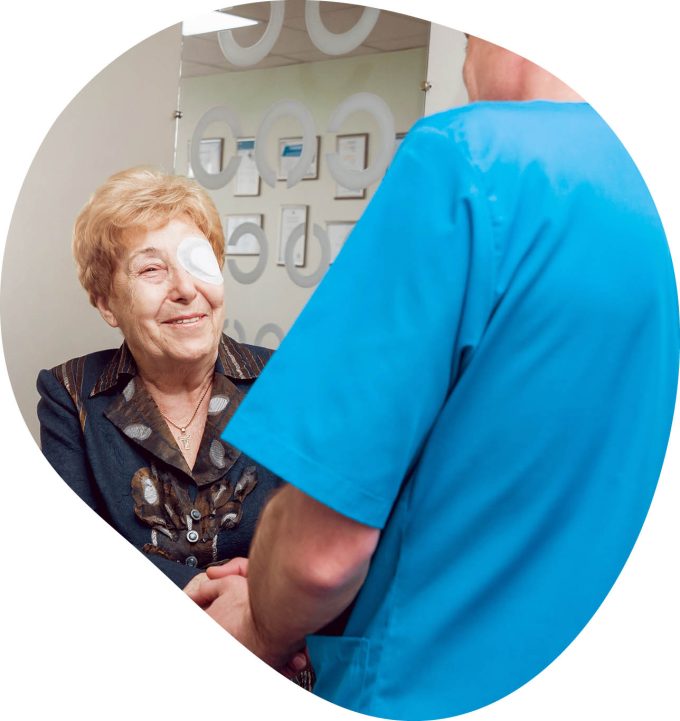

Cataract surgery is certainly very effective, but it is not advisable to allow the condition to worsen or to ignore any symptoms – if, therefore, your eye cannot see clearly after dark, and sensitivity to sunlight is greater than usual – it is essential to visit an ophthalmologist to help you gather information about the condition of your eyes and whether cataract surgery is necessary.
The only and best way to overcome the disease – cataract surgery
The lens enabling the patient to see well is selected individually, taking into account the patient’s individual preferences and needs. It is inserted into the patient’s eye in just a matter of tens of minutes – all that is required after the procedure is to avoid excessive physical effort for a while, and on average, after a month, the cornea is fully healed, at which point the patient can return to all the activities they engaged in before undergoing the surgical intervention.
Cataract removal surgery – proper patient preparation
If you need to better understand what cataract surgery looks like and whether it is safe – contact our facility in Sopot-Wyścigi at tel. 58 550 46 76.
Who is the procedure the best solution for? The answer is simple: for anyone who has developed cataracts.
If you are preparing for surgery and would like to know what cataract surgery is all about? We invite you to read on. Cataract surgery is a surgical procedure to remove the cloudy lens of the eye and replace it with an artificial intraocular lens. The surgery is usually quick and performed under local anesthesia, which minimizes the sensation of pain.
- Preparation for surgery: Before the operation, the surface of the eye is thoroughly disinfected and the patient is given anesthetic drops. Sometimes light-splitting drugs are also used to better protect the retina during surgery.
- Starting the operation: The first step is to make a small incision at or near the periphery of the cornea. This incision is small enough that it usually heals on its own, without the need for suturing.
- Phacoemulsification: After the incision is made, the surgeon uses an ultrasonic device to perform phacoemulsification, or fragmentation of the cloudy lens. This device emits ultrasound that splits the cloudy lens into small fragments, making it easier to remove.
- Removal of the cloudy lens: After fragmentation, the lens fragments are gently removed from the eye using a specialized suction device. Once the cloudy lens is removed, the surgeon proceeds to the next step.
- Implantation of the artificial lens: In the next step, the surgeon places an artificial intraocular lens in place of the removed lens. Depending on the patient’s needs and the doctor’s recommendations, these lenses may be monofocal lenses, spherical lenses or multifocal lenses, which allow vision at different distances without the need for additional spectacle correction.
- Cataract surgery completion: Once the lens is implanted, the surgery is over. The incision on the cornea usually heals spontaneously, without the need for sutures. The entire procedure usually takes 15 to 30 minutes.
Cataract surgery is considered a safe and effective way to restore good quality of vision in cataract sufferers. Most patients experience a significant improvement in vision the day after surgery. However, it is important to note that full healing and stabilization of vision may require several weeks.
Cataract treatment methods mainly focus on surgical removal of the cloudy lens. The most advanced and widely used technique is laser cataract removal, which allows the procedure to be performed precisely and minimally invasively. Thanks to modern techniques, cataract removal surgery is safe, effective and quickly restores patients’ vision.
Post-Cataract surgery recommendations
If you’re already familiar with what cataract surgery entails, here we present the general recommendations to follow immediately after cataract removal.
First and foremost, the entire eye surface should be protected for 24 hours after the procedure, so do not remove the dressing sooner than the specialist doctor recommends! Why? Because after the cataract removal surgery, the organ is at risk of infection. Additionally, there’s a risk of changes in the intraocular pressure in the patient’s eye. For this reason, follow-up examinations are conducted the next day.
After cataract removal surgery, it’s necessary to forgo long baths in favor of quick showers, during which the eye area is carefully avoided. It’s crucial to prevent shampoo, water, or soap from getting into the eye! Therefore, when preparing for cataract surgery, it’s wise to wash your hair to avoid needing to do so for several days post-procedure.
Patient preparation includes informing them that cataract treatment also involves prescribing special drops for the treated eyes. After the dressing is removed, the specialist decides how long and how often throughout the day the eyes should be treated with drops. These serve as a special medication that accelerates healing and prevents infections.
After cataract surgery, the patient must follow the doctor’s instructions to ensure proper healing and optimal recovery of visual acuity. After surgery, the patient is advised to avoid heavy physical exertion and situations that may increase the risk of bleeding or infection, such as immersing the head in water or exposing the operated eye to heavy pollution.
- Eye dressing: Immediately after cataract surgery, a dressing or protective cover may be placed on the surface of the eye to protect the retina, which the patient should wear as prescribed by the doctor, especially at night, to protect the eye during the recovery period.
- Drug dosage: The patient will be given detailed instructions on the dosage of medications, primarily eye drops, which help prevent infection and reduce inflammation. It is important to strictly follow these instructions.
- First follow-up visit: The date of the first follow-up visit is usually the day after surgery. The doctor will check the condition of the operated eye and adjust further treatment. At this time, he or she may also make the first assessment of visual acuity.
- Visual acuity recovery: Most patients notice a significant improvement in vision within the first few days after cataract surgery. However, full recovery of visual acuity can take several weeks to a month. During this time, it is important for the patient to protect the retina from strong light and avoid activities that may strain the eye.
After cataract surgery, the patient should also inform the doctor of any worrisome symptoms, such as increased redness, pain, seeing flashes of light or significant deterioration of vision. Precise adherence to post-operative instructions is crucial to the success of treatment and the prevention of complications.

Cataract treatment – how long does it take?
How long does cataract surgery take? Cataract surgery is a relatively quick and painless procedure that aims to restore visual acuity by removing the cloudy lens and replacing it with an artificial one. The procedure usually takes 15 to 30 minutes and is performed on an outpatient basis, meaning the patient can go home the same day. Cataract surgery is performed under local anesthesia, so the patient does not feel pain during the operation, although he or she may experience slight discomfort or pressure around the eye.
“Does cataract surgery hurt?” is a common question among patients. The answer is that thanks to the use of local anesthesia, the surgery itself is painless. It is possible to feel some discomfort after anesthesia, but this is usually mild and passes quickly.
What should a patient do after cataract surgery?
After surgery, patients may notice immediate improvements in color perception and visual clarity, although full recovery of visual acuity may require several days to several weeks. Advances in surgical techniques make cataract surgery one of the safest and most effective ophthalmic procedures, offering rapid recovery and significant improvements in patients’ quality of life.
Cataract removal surgery restores natural visual acuity, but it is necessary to wait for 4-6 weeks. For example, driving a car again is not possible until several weeks after fully sharp vision is regained. The symptoms of cataracts will no longer bother you, and you will regain your former efficiency. The key to success is, first of all, patience and absolute adherence to all recommendations of the specialist, which ensure this proper healing. Good vision is fundamental!
Remember, the recovery time is individual for each patient and should not be compared with others who have recovered. Everything depends on our predispositions and factors such as: age, the progression of the disease in the eyes, coexisting diseases in the body, and the body’s ability to regenerate. By following the recommendations, you can shorten the healing process or make it less noticeable.
You may also be interested in:

Opinions

Safety


Act as quickly as possible – fully regain your vision sharpness
Undergoing surgery for a diseased eye is the only solution to eliminate the condition. You can opt for the surgery covered by the National Health Fund (NFZ) or choose not to wait and get treated at a private clinic. In most cases, anyone, regardless of their health and condition, can undergo cataract removal surgery.
During cataract surgery, local anesthesia is administered, making the procedure completely painless. The only sensations the patient may experience during the operation are mild discomfort and dryness of the eye, due to it being left open without the possibility of blinking for moisturization. Take care of your eyes and monitor their functions – regular visits to an ophthalmologist are fundamental for a quick diagnosis and elimination of diseases.
Price List

Important questions and answers
-
The healing time after cataract surgery can vary. Most patients notice an improvement in their vision within a few days, but full healing can take from 4 to 6 weeks. Any discomfort, such as mild redness, should subside within a few days after the surgery.
-
After cataract surgery, you should avoid the following activities: 1. Touching or rubbing the operated eye. 2. Engaging in intense exercise or lifting heavy objects. 3. Swimming or using a jacuzzi for at least a week. 4. Engaging in activities that may cause dirt to enter the eye, such as gardening. 5. Entering places with a high risk of eye injury without protective eyewear.
-
Whether you will need to wear glasses after cataract surgery depends on several factors, including the type of lens implanted and whether you had a refractive error such as nearsightedness or astigmatism before the surgery. Some patients may still need glasses for reading or driving, especially at night.
-
Cataract surgery is typically a short procedure. In most cases, it takes about 15-30 minutes. However, the entire process, including preparation before surgery and recovery time after surgery, can take several hours. It all depends on the specifics of the case and the procedures used in the particular clinic.
-
Untreated cataracts can lead to progressive vision loss and ultimately even total blindness. Vision loss caused by cataracts can make daily activities such as reading or driving difficult and also increase the risk of falls and injuries. In the case of advanced cataracts, it can also lead to glaucoma.
Make an appointment
Send us the form below if you want to schedule an appointment.
If you leave your phone number, we will call you back.