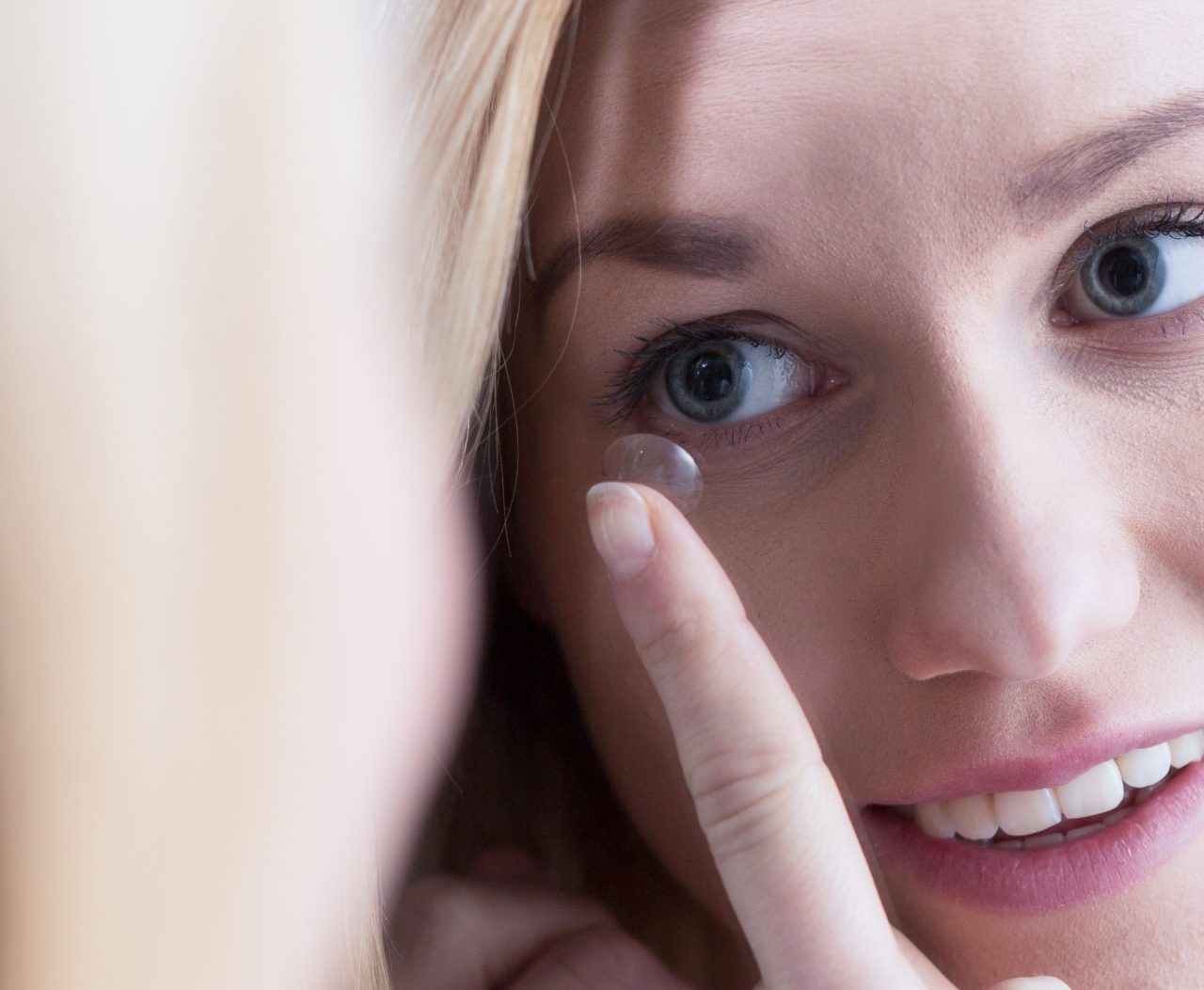
Contact lenses have been gaining popularity for several decades now
They have become a great convenience for people with vision impairments who dislike or prefer not to wear glasses, as well as for those who are not eligible for surgical or laser methods of correcting vision impairments.
Lens fitting
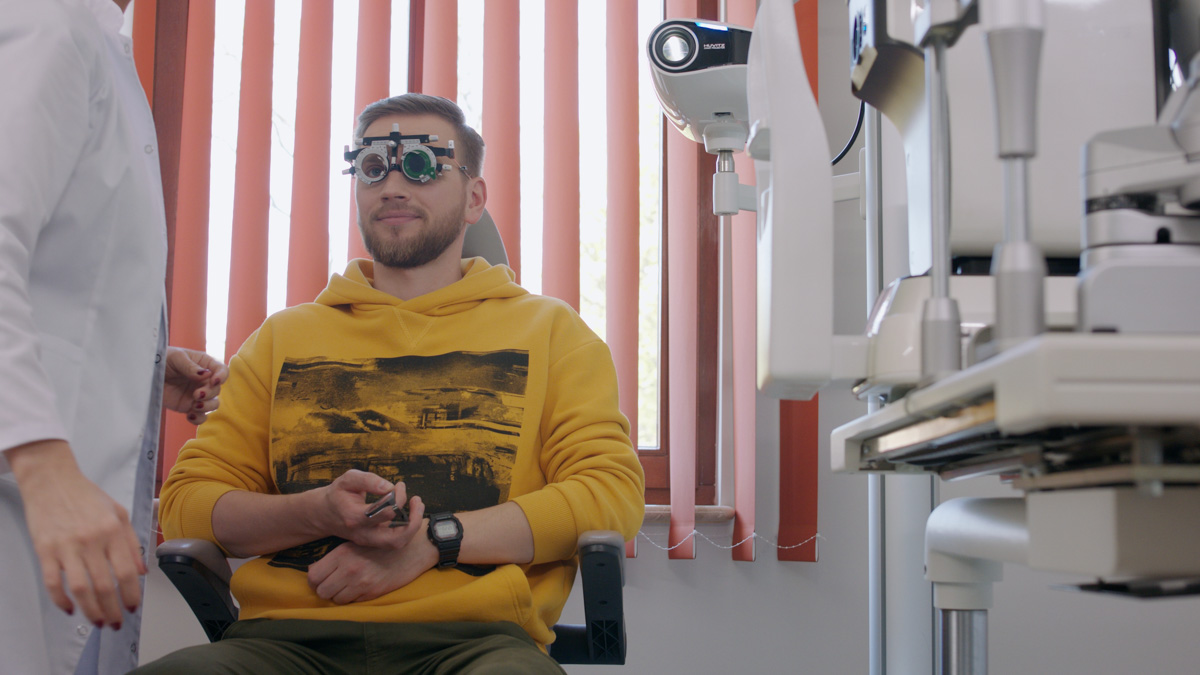
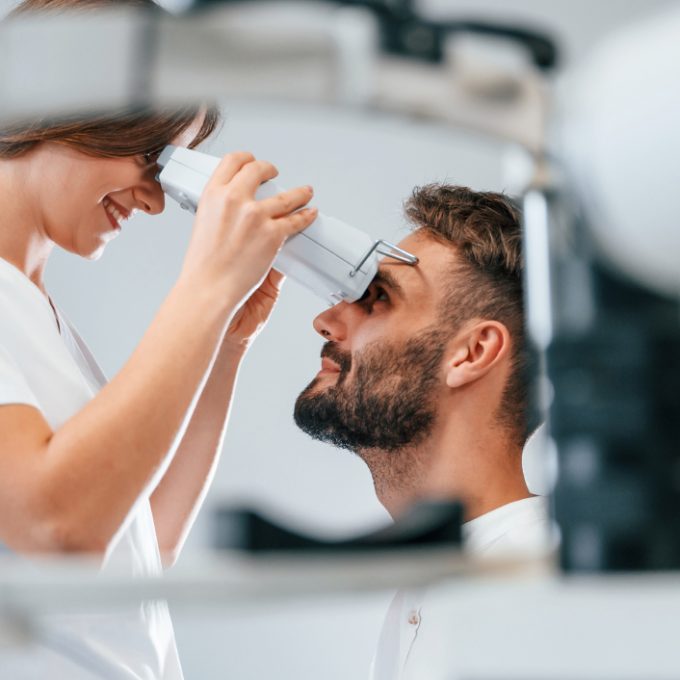
In our facility, specialized lens fitting is conducted by experienced doctors with the support of a nurse, who will also ensure instruction on lens handling and care.
In our facility, specialized lens fitting is conducted by experienced doctors with the support of a nurse, who will also ensure instruction on lens handling and care.
We have a wide range of available trial lenses, so during your visit, you will be able to determine if contact lenses are the right solution for you.
If you are just starting your journey with contact lenses, allocate more time for your visit. It may take about an hour to select soft lenses and learn how to use them.
For hard and hybrid lenses, be prepared for a two-hour stay in our facility.
Patients with keratoconus, anisometropia above 4 diopters, as well as aphakia, may be eligible for reimbursement from the National Health Fund (we have a contract with the NFZ for medical supply of lenses). We will assist you in handling all the formalities related to obtaining reimbursement.

Soft Contact Lenses
These are the most popular due to their availability. They are typically made from (silicone) hydrogel material. Soft lenses are used in daily or day & night modes and can be daily, weekly, bi-weekly, monthly, or even 3-month or yearly lenses.
Undoubtedly, the availability, comfort, and ease of use or maintenance of soft contact lenses are their significant advantages.
However, they also have their serious downsides. Among other things, they are not recommended for swimming due to the risk of infection from a dangerous amoeba. If you have no choice, use a daily disposable lens and discard it immediately after leaving the pool.
Sleeping in soft contact lenses or prolonged wearing is also not recommended (not enough oxygen reaches the eyes). During the lens fitting process, our specialist will ensure the best mode selection for your habits and lifestyle, even for very complicated vision impairments.
Soft contact lenses
Soft contact lenses are often recommended to patients who are looking for comfort and ease of use. Soft lenses are known for providing good quality vision and being comfortable to wear, making them ideal for those new to using contact lenses. Soft lenses work especially well for astigmatism, as they are available in a variety of options that allow for precise customization for each eye.
Soft contact lenses offer exceptional comfort due to their soft texture, which adheres well to the eye, minimizing the risk of irritation. Thanks to modern technology, soft lenses can also effectively correct corneal cone, providing users with a sharper image. In addition, soft daily disposable lenses are extremely hygienic, as a new, sterile pair is used each day, which is especially recommended for people with sensitive eyes or those who are exposed to environmental contaminants.
Soft contact lenses offer significant benefits in terms of comfort, hygiene and quality of vision, making them a popular choice among contact lens wearers.
Hard Contact Lenses
Another type of corrective lenses are hard lenses, also known as RGP (Rigid Gas Permeable). They are made from durable materials with maximum oxygen permeability, allowing them to be used for about 1-2 years. They are entirely safe, do not cause irritation or inflammation, and can be used by allergy sufferers. They are easier to use for avoiding eye infections than soft lenses.
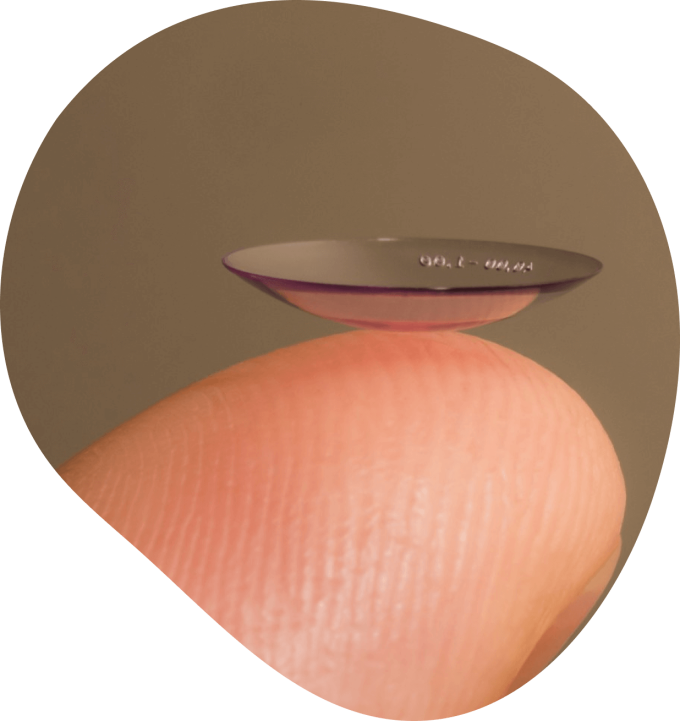
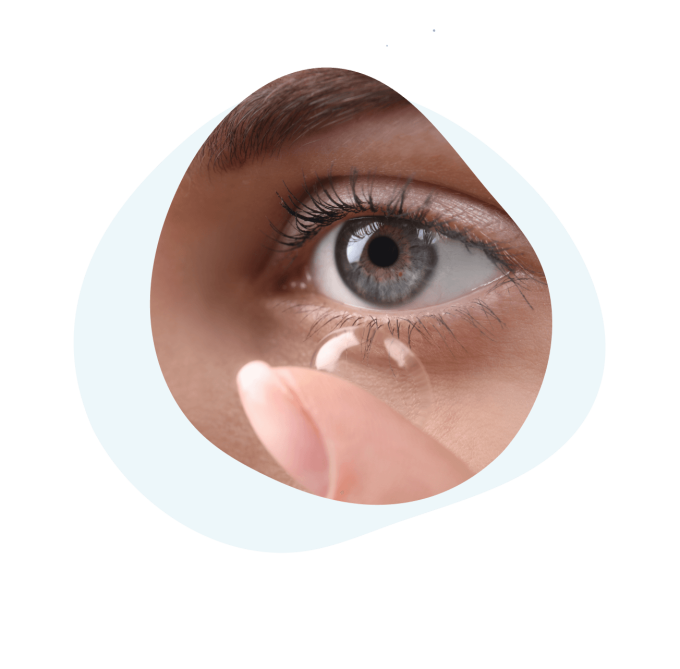
Their diameter is smaller, covering only the cornea with their surface. They have been successfully used for many years to correct complex vision impairments, astigmatism, post-surgical and trauma eyes, and especially in keratoconus. They have a stable shape, allowing the user to wear them on one side only. Each lens has individual parameters and geometry, and you can also choose the material from which it is made.
Hard Lenses – the most important information
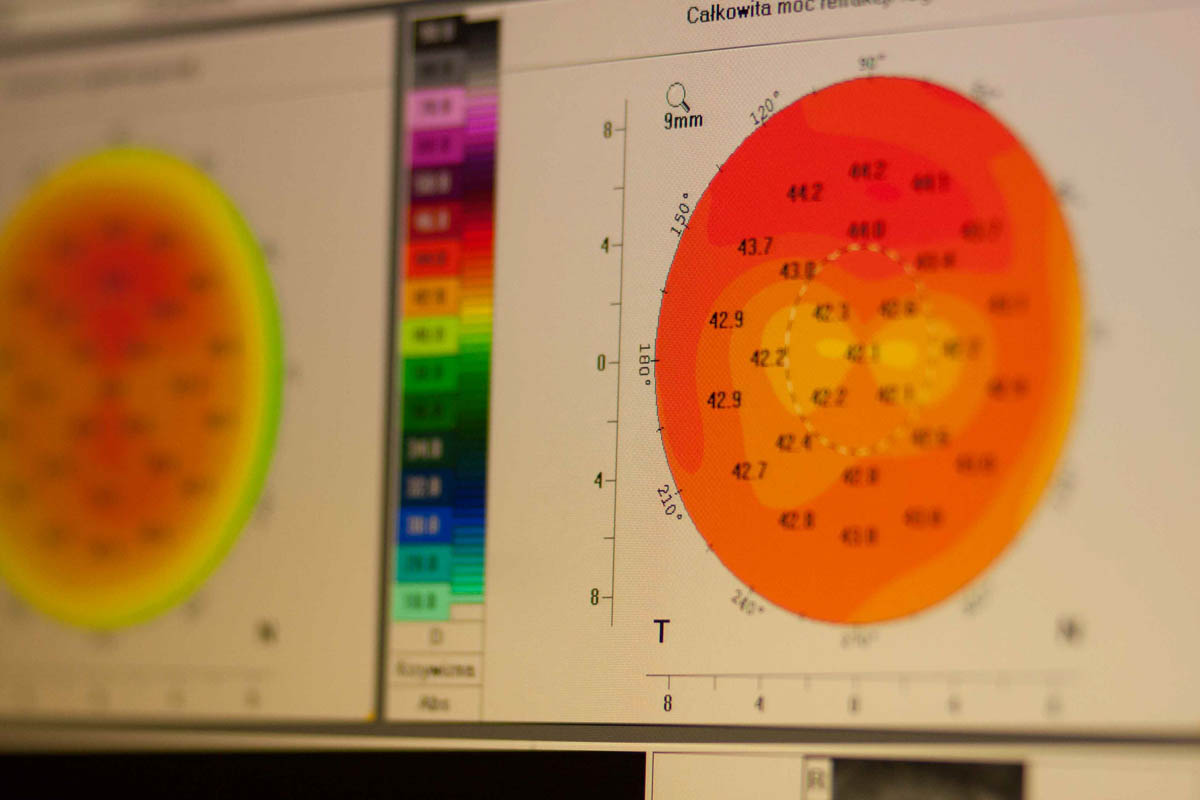
Hard contact lenses are often recommended for patients who do not achieve satisfactory results with soft lenses, especially in cases of astigmatism. In comparison, soft lenses may not provide as precise a correction as hard lenses. Hard lenses are ideal for irregular corneal topography, where they precisely adhere directly to the central part of the cornea, providing better correction of the visual defect.
With hard lenses, their rigid structure allows them to maintain a consistent form, which is crucial for sharp vision. Hard contact lenses are recommended for any patient whose eye condition requires special control of oxygen permeability and an exact fit to the shape of the cornea. Hard lenses also offer longer durability and better breathability for the ocular surface, which is important for maintaining eye health. In addition, hard contact lenses reduce the risk of debris build-up on the lens surface compared to soft lenses, which can contribute to higher wearing comfort.
Hard contact lenses – advantages and disadvantages
Hard contact lenses, despite their effectiveness in correcting some visual defects, also have their drawbacks. The biggest disadvantages of hard contact lenses are discomfort in wearing them, especially during the first stages of adaptation. Hard lenses can be uncomfortable for people who have sensitive eyes or suffer from dry eye syndrome, as they adhere less to the surface of the eye and can cause a foreign body sensation under the eyelids.
In addition, hard contact lenses are not only recommended for patients with dry eye syndrome, but also for patients with an irregular corneal shape, such as a corneal cone, or who have variable corneal topography, as they can cause uneven pressure on the cornea, which can lead to corneal damage in the long term. Hard contact lenses require the wearer to invest in multifunctional solutions, which can be inconvenient for those seeking simpler solutions.
Contact lenses – hard and soft
Hard lenses are generally not recommended for people who lead active lifestyles or work in conditions where there is a high risk of contaminants entering the eye, because a hard lens can fall out of the eye more easily than soft lenses. These factors make hard contact lenses recommended for specific medical cases where other methods of vision correction are not effective enough.
Orthokeratology
Orthokeratology is a unique method of correcting nearsightedness and astigmatism, which works while you sleep. It’s the most appreciated method for preventing the progression of nearsightedness.
It can be an alternative for patients who want to actively spend time without worrying about glasses on their nose.
However, it is primarily recommended for children whose vision impairment is progressing.
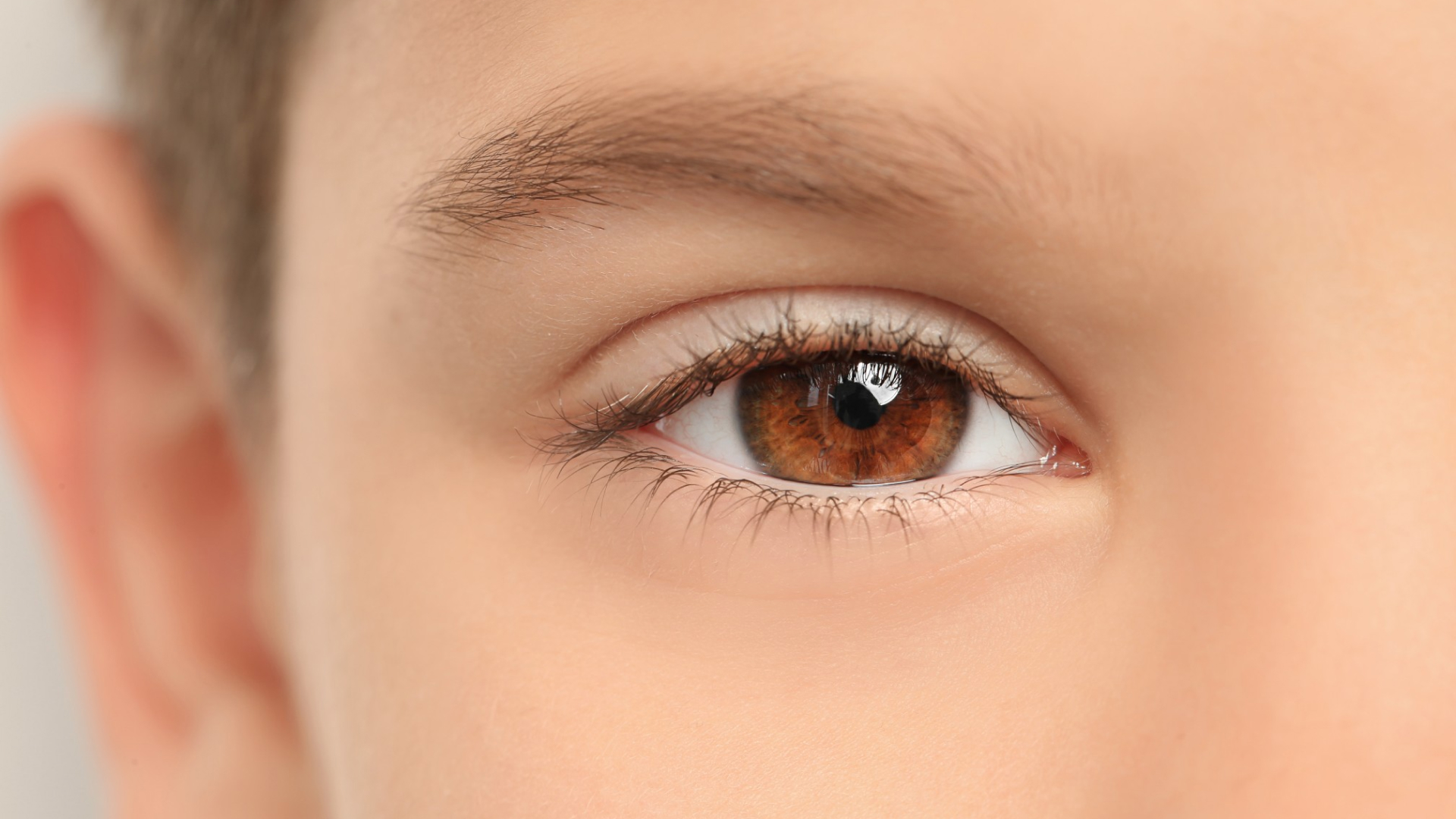
Ortho Lenses
Otherwise known as orthokeratological lenses, ortho lenses, or Orto-K, these are rigid contact lenses worn overnight.
While some might think they’re a novelty, they’ve actually been used for over 50 years.
They were introduced in the second half of the 20th century by ophthalmologists from North America, who demonstrated that wearing rigid lenses causes changes in the curvature of the cornea.
Since then, the lenses have been refined, with changes made to their geometry and material. In their current form, they have been used in Poland for about 10 years.
Ortho Lenses are most effective for nearsighted individuals with corrections up to about -4 diopters, as well as for astigmatisms up to 2 diopters.
They can also be used if both conditions coexist.
The optimal age to start orthokeratology is during early school years (around 6-7 years old).
However, lenses can be used even in young children, provided that the child cooperates during lens insertion and removal.
The action of ortho lenses involves correcting vision defects during sleep by gently changing the curvature of the cornea. This method is entirely safe and fully reversible.
The lenses are applied before going to sleep and removed shortly after waking up. Each lens is individually tailored to the patient’s eyes and vision impairment, and produced on special order.
The waiting time for the ordered lens is about 2-3 weeks. Its effects are noticeable after the first night of at least 6 hours of sleep.
A pair of lenses is sufficient for one year of use, and with good tolerance and a non-aggressive tear film, they can last up to two years. At any time, you can discontinue the use of the lenses and return to glasses or daytime contact lenses.
Nevertheless, as a therapeutic function for controlling nearsightedness, it should be used at least until the risk of progression of nearsightedness exists, which usually occurs in the third decade of life.
Specialized Lenses
We also provide special corrective lenses that can slow down the progression of ectasia such as keratoconus, as well as other corneal dystrophies. These lenses can be rigid with different geometries, soft for less advanced stages of the disease, or hybrid.
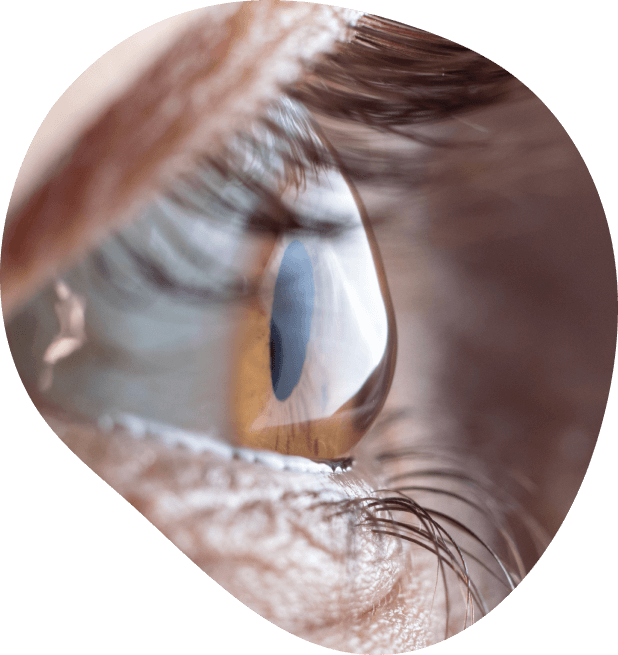

Soft lenses, apart from their different construction, are similar to standard soft lenses and are typically designed for quarterly or yearly replacement. There are many types of rigid lenses, which can vary in geometry or diameter (e.g., scleral lenses are larger than standard ones). Selection is a complex procedure that sometimes requires several fittings of trial lenses and specialized corneal examinations. Rigid lenses are usually intended for one year of use.
The latest achievement in contactology is the creation of hybrid lenses. They combine a rigid central part with a surrounding soft skirt. They are designed for individuals who have difficulty accepting rigid lenses and experience discomfort when wearing them.
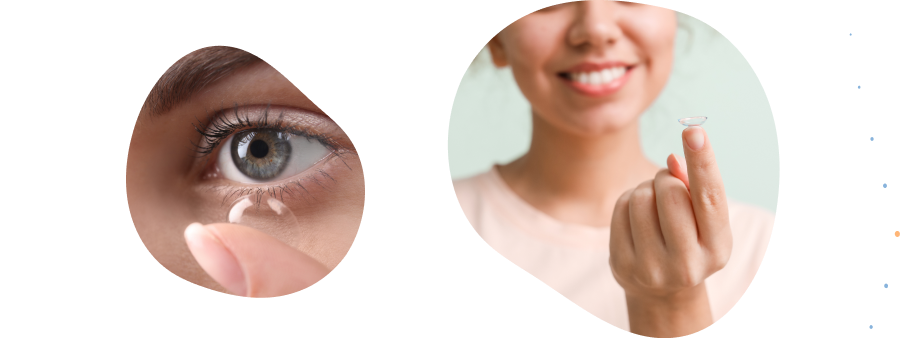
The soft skirt ensures better adherence and prevents lens movement on the eye. Unfortunately, it has lower oxygen permeability, increasing the risk of complications compared to rigid lenses. Hybrids are designed for 6 months of use and should be maintained like soft lenses using dedicated cleaning solutions.
Price List
You may be interested in

Laser vision correction

Opinions


Make an appointment
Send us the form below if you want to schedule an appointment.
If you leave your phone number, we will call you back.