SMILE Pro
With the SMILE Pro method, we correct:
- Myopia from -0.5 to -10.0 diopters
- Astigmatism up to 3.0 diopters
SMILE Pro – Small Incision Lenticule Extraction is a one-step, flapless, and least invasive procedure available worldwide. This third-generation procedure is the latest achievement in laser vision correction. One of its undeniable advantages is the rapid healing process, thanks to the minimal incision of the cornea by the femtosecond laser, typically 2-4 mm, which shortens the recovery time, allows for a return to daily activities the next day, and minimizes the occurrence of dry eye sensation after the procedure. Moreover, the eye retains better biomechanics and stability.
Perfectly tailored to the patient’s eye
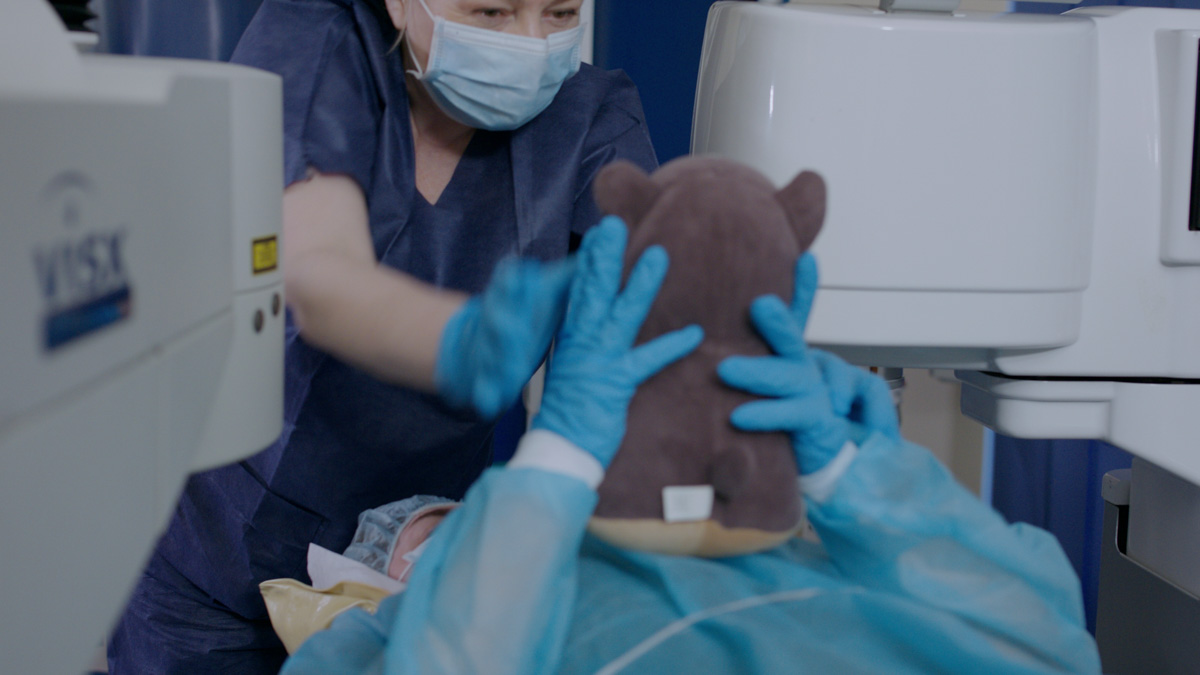
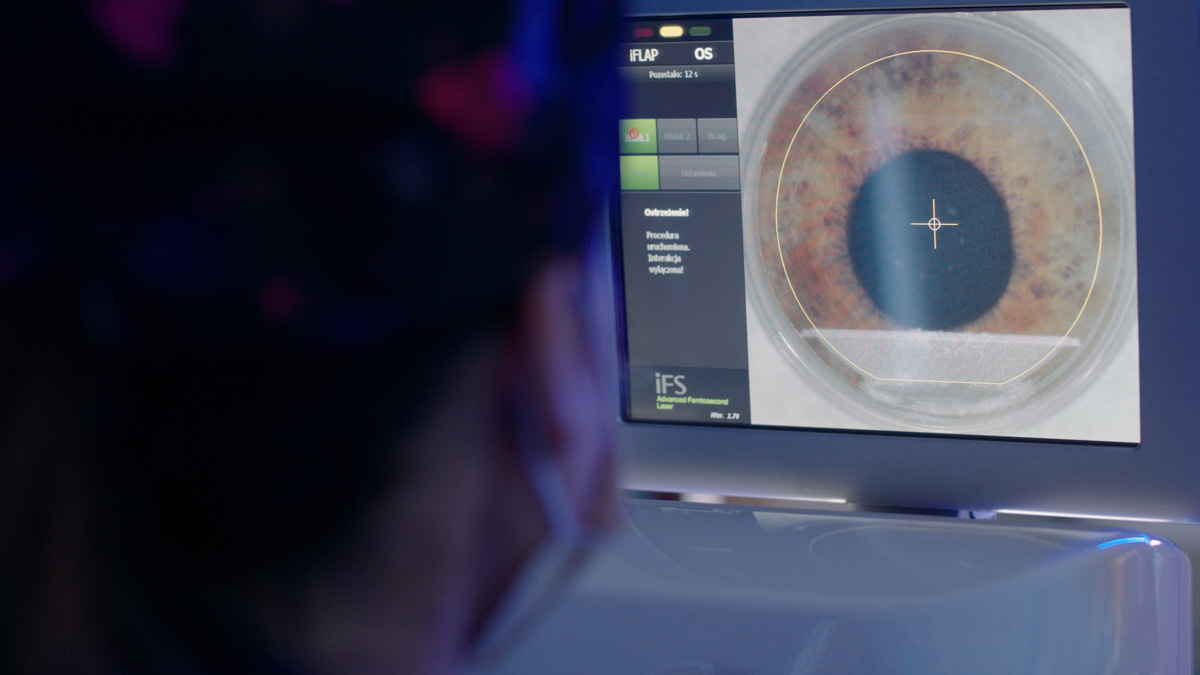
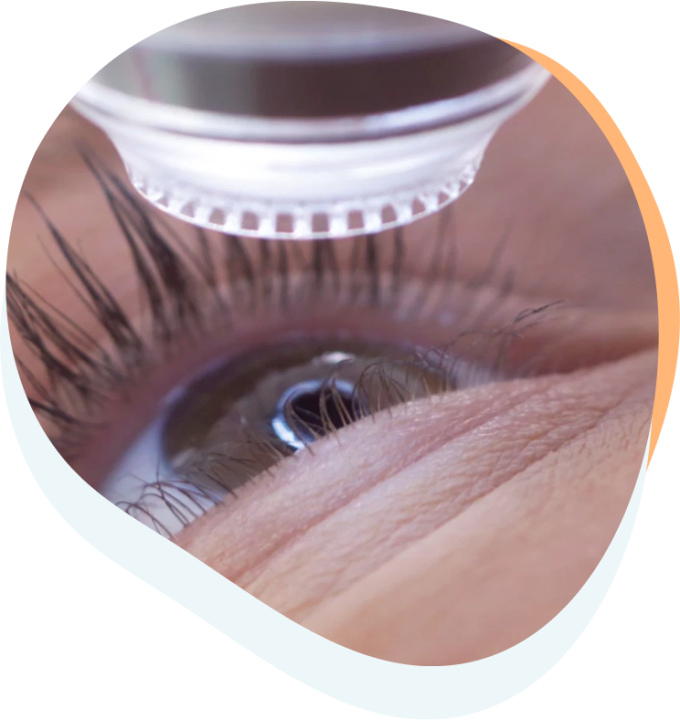
The femtosecond laser used in the SMILE method utilizes a contact glass adapted to the shape of the cornea, which exerts gentle negative pressure on the cornea, stabilizing its position. The laser operates with high speed, precision, and frequency, actively controlling a constant, slight pressure on the eye without causing pain or momentary loss of vision. As a result, the procedure is short, no odors are produced, and the patient only feels as if they were wearing contact lenses.
Suitable for many individuals
People suffering from Dry Eye Syndrome (DES) or intolerance to contact lenses can benefit from this flapless procedure. This method is also suitable for active individuals, athletes, airplane crews, as well as military, police, and rescue personnel. Due to its undeniable advantages, the method is gaining the reputation of being the first choice for nearsighted patients.
So far, millions of eyes have been successfully treated worldwide with micro-lens correction of vision impairments.
Classic FemtoLASIK
With the FemtoLASIK method, we correct:
- Myopia up to -13.0 diopters
- Hyperopia up to +6.0 diopters
- Astigmatism up to 6.0 diopters
FemtoLASIK (Femtosecond laser-assisted laser in situ keratomileusis) has become the most common method of correction in our country. This is because it is more beneficial for your eyes than the classic LASIK variations.
It offers the chance to achieve good visual acuity within a few hours after the procedure. It causes less pain discomfort compared to older methods (discomfort usually occurs in the evening, so it’s advisable to rest soon after returning from the procedure).
It’s an improved method of LASIK where, instead of a microkeratome blade to create the corneal flap, a femtosecond laser is used.
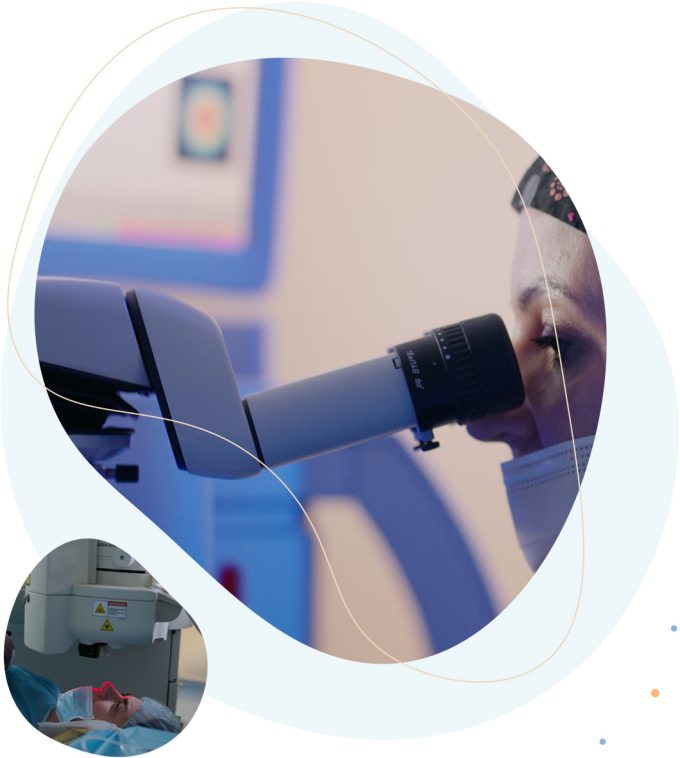
Its application significantly increases the safety and predictability of the procedure. The operator has the ability to tailor the flap to the individual needs and eye structure of the patient, both in terms of flap thickness, diameter, and hinge placement.
Its advantage over other methods in the treatment process after the procedure is faster healing, reduced risk of inflammation and dry eye syndrome post-surgery, as well as a more stable flap, which translates to better corneal biomechanics.
We can boast of being one of the first clinics to offer FemtoLASIK procedures in Poland. We are still the only ophthalmic center in the Tricity area that offers FemtoLASIK (including personalized FemtoLASIK – iLASIK).
Tailored FemtoLASIK – iLASIK
With the iLASIK method, we can correct:
- Nearsightedness up to -13.0 diopters
- Farsightedness up to +6.0 diopters
- Astigmatism up to 6.0 diopters
iLASIK is the most advanced method of laser vision correction currently available worldwide, and it is the most frequently recommended and popular FemtoLASIK procedure, including in the United States and the United Kingdom.
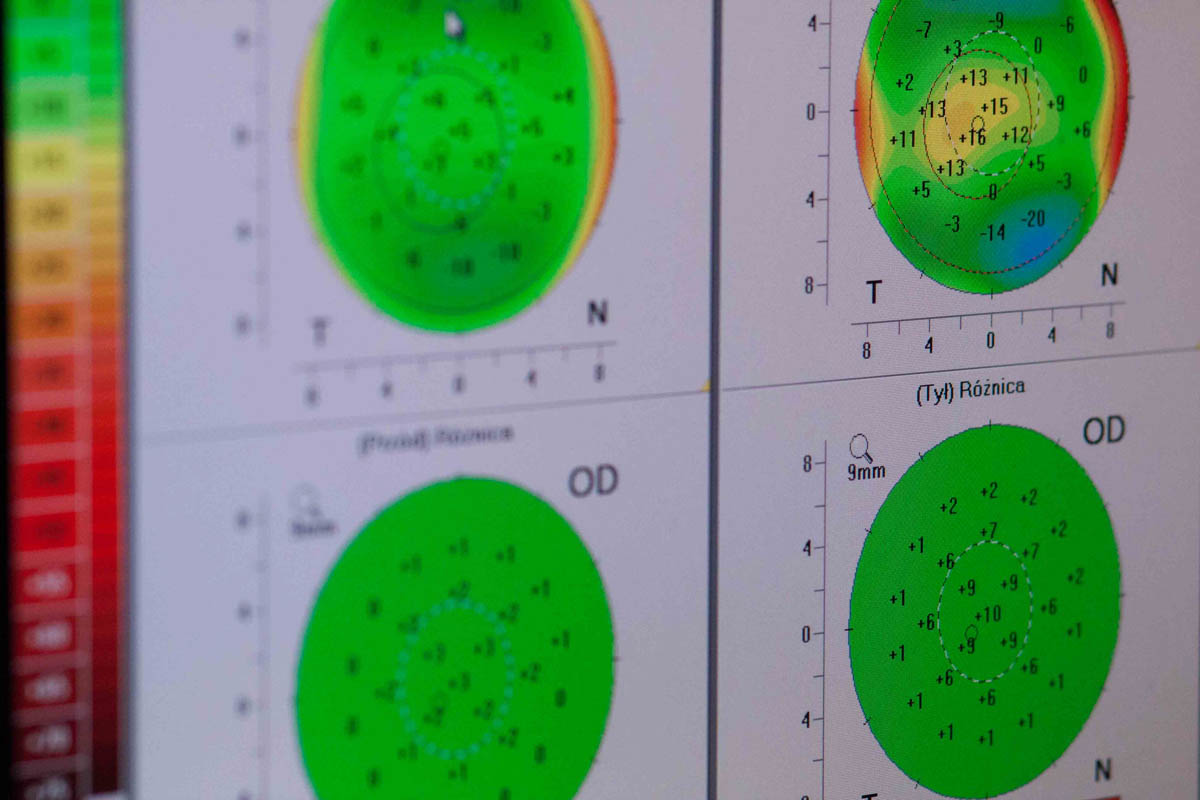
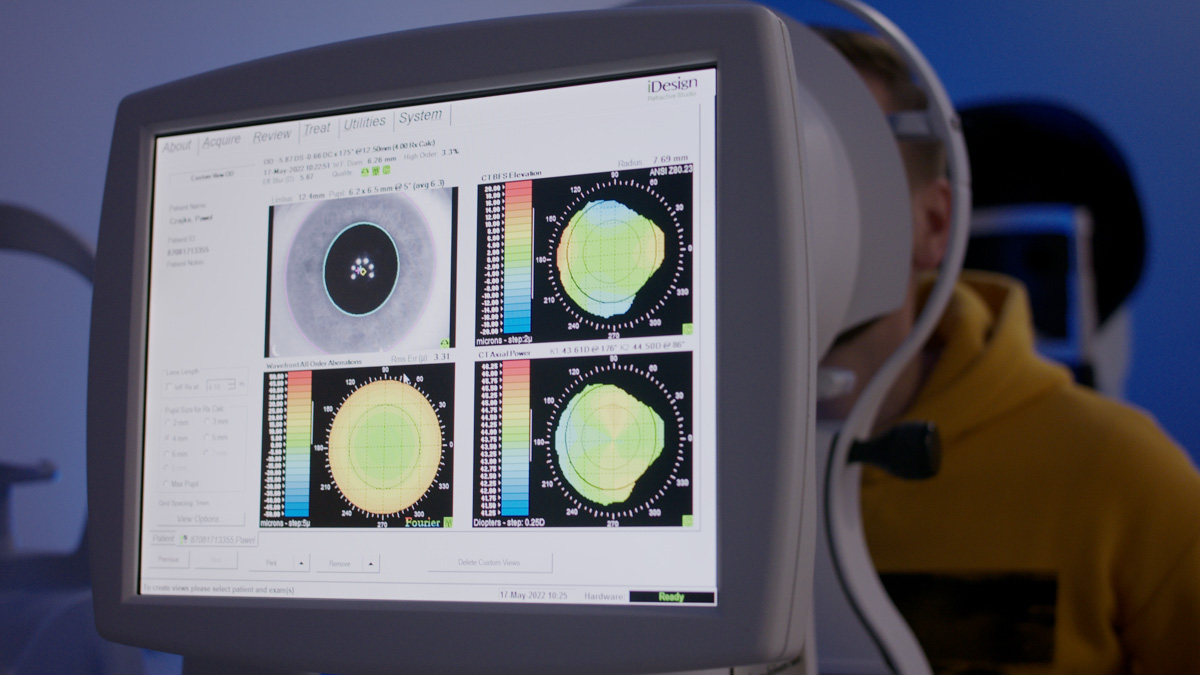
By utilizing the diagnostic capabilities of the Wavescan/iDesign platforms, iLASIK minimizes the intensity of bothersome light effects during the healing process after the surgery. Such effects include halos, glares, starbursts, blurring, and image duplication.

EBK
With the EBK method, we can correct:
- Myopia from -1.0 to -7.0 diopters
- Minor hyperopia
- Astigmatism up to 3.0 diopters
EBKTM (Epithelial Bowman’s Keratectomy) is a modification of the LASEK and PRK methods. In the EBK method, the epithelium is removed using a single-use device from Orca Surgical, which gently and fully controlled prepares the cornea for the procedure, leaving its deeper layers intact.
The epithelium is the only layer of the cornea that regenerates naturally.
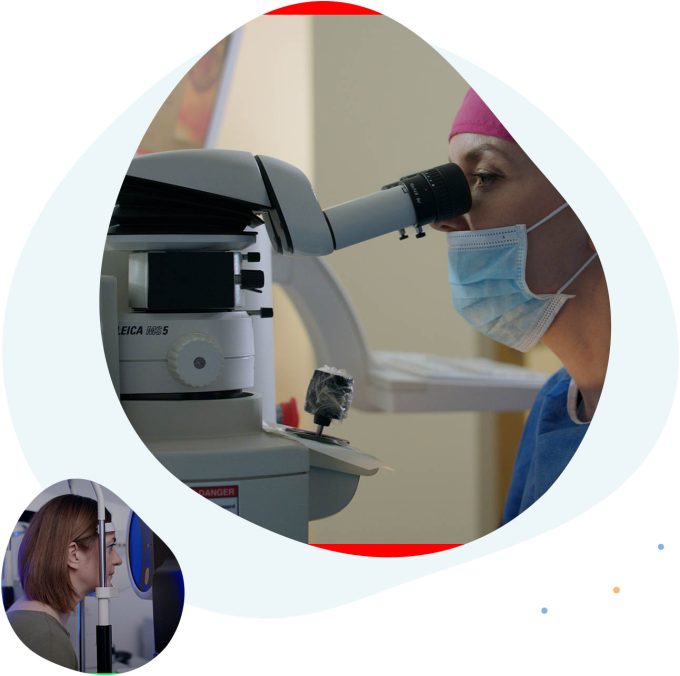
Compared to other superficial methods, the epithelium regenerates even twice as fast after EBKTM, significantly accelerating healing and visual stabilization. After the procedure, a contact lens is worn for approximately 3 days.
The epithelial regeneration process is milder than in other superficial methods, resulting in minimal postoperative discomfort, usually limited to one day after the procedure.
This method is particularly recommended for extremely thin corneas, minor refractive errors, or individuals at high risk of frequent eye injuries (e.g., participating in combat sports).
The personalized versions of classic methods (Wavefront-guided)
With personalized versions of classic methods, we correct the following refractive errors:
- Myopia up to -10.0 diopters and hyperopia up to +6.0 diopters
- Astigmatism up to 6.0 diopters
- Combination of astigmatism with myopia or hyperopia
- Mixed astigmatism
- Higher-order aberrations
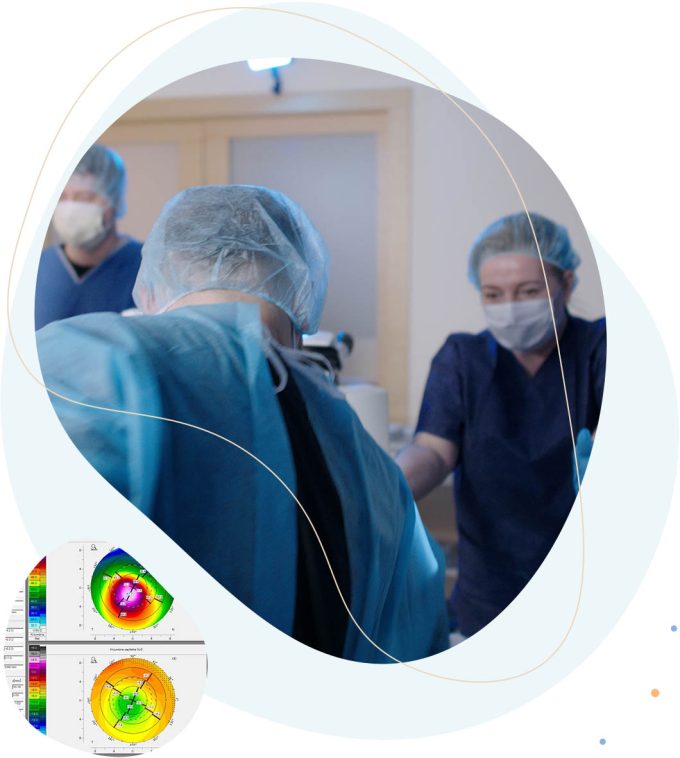
The customization of EBK and other methods through Advanced CustomVue involves conducting additional examinations – automatically transferred and utilized by the excimer laser.
This is a good solution for individuals aged 21 and above, suffering from myopia, hyperopia, astigmatism, night vision problems, or issues with glare around strong light sources (halos, rings around lights, double vision), or a combination of these conditions, who, for specific reasons, cannot undergo iLASIK or conventional FemtoLASIK procedures.
Tailored Advanced CustomVue procedures provide better visual quality than “conventional” LASIK, EBK, LASEK, EPI-LASIK, etc., which is particularly noticeable at night or in dark environments.
Presbi CustomVue (korekcja presbyopii)
With Presbi CustomVue method, we can correct:
- Hyperopia with presbyopia up to +4.0 diopters, where the power of reading glasses does not exceed +1.5 diopters.
- Associated astigmatism.
Presbi CustomVue is a personalized Advanced CustomVue procedure specifically designed to correct presbyopia. This condition, associated with the diminishing ability of the eye to accommodate, makes it increasingly difficult for individuals over 40 years old to read or see nearby details. A young eye adjusts effortlessly, “accommodating” to view objects at different distances.
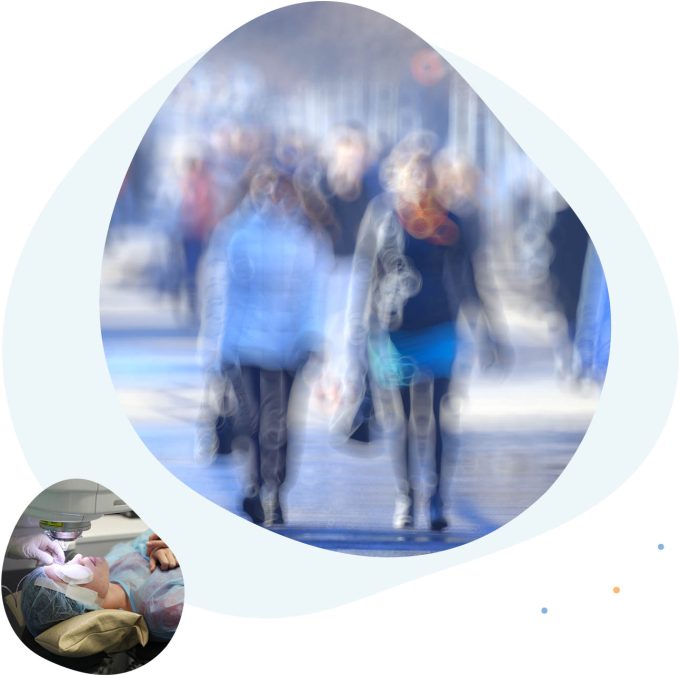
Over time, however, the ability of our eyes to focus on nearby objects weakens. Through the presbyopia correction procedure, we can correct and slow down this process.
Depending on the patient, several years after the initial procedure, there may be a need for further adjustments. However, even before any potential re-treatment, the vision will still be significantly better than it would be without undergoing Presbi CustomVue.
The Presbi method is designed for individuals aged 40-55, for whom excellent near vision is incredibly important.
LASIK Xtra
LASIK XtraTM is a combined procedure of laser vision correction (using any method chosen based on qualifying examinations) along with cross-linking of collagen fibers.
It is primarily aimed at young patients with unstable refractive errors and thin corneas. It is used to prevent complications such as corneal ectasia.
LASIK Xtra aims to stiffen the cornea and stabilize the correction effect. It involves saturating the cornea with a special riboflavin called VibeX-Xtra and exposing it to UVA light from the Avedro lamp (the only one approved by the FDA).
Important questions and answers
-
It’s hard to speak of “better” or “worse” methods of laser eye surgery. Don’t worry, your attending physician will narrow down the choices and suggest the best options. Everything depends on the eye’s structure, the refractive error itself, and a series of dependencies. However, regardless of the method, the procedures performed at our clinic are equally safe, and we take care of our patients with the highest attention. Your attending physician will tell you all the pros and cons of the given method.
-
The FemtoLASIK method is currently the most popular one, recognized as the absolute standard in the field of refractive surgery for flap methods. It offers maximum intraoperative safety, even greater precision, and above all, greater possibilities for correcting refractive errors. Moreover, as data show, patients much less often complain about postoperative discomfort caused by factors such as dry eyes or glare around light sources.
-
EBK laser eye surgery is recommended if there are medical reasons for performing a surface method procedure. The EBK method is the first choice for a relatively smaller pool of patients. At the same time, this procedure stands out with a lower cost due to the expenses of the devices used and materials after the surgery.
-
The LASIK method is actually a two-step process: 1. Flap creation. The surgeon precisely cuts the cornea using a microkeratome, flips the flap, and thus prepares the cornea for the second stage. 2. Modeling the inner layers of the cornea with an excimer laser. This takes several tens of seconds, after which the surgeon places the flap back in its original position. The procedure itself lasts a dozen or so minutes.
-
This method is performed in cases where there are contraindications to LASIK. There may be many reasons, but the most common ones are definitely: too deep eye socket and too thin cornea. The procedure itself involves detaching the epithelium from the corneal surface, and then subjecting the deeper layers of the cornea to the laser. Visible improvement in vision returns to normal already after a few weeks from the surgery.
-
Actually – in the vast majority of cases – neither one nor the other. Today we have newer methods, for classical procedures it’s FemtoLASIK, and for surface ones – EBK-LASIK. Of course, the most optimal method or its two variants for a specific defect and health conditions will always be suggested by the attending physician. This is possible only after a thorough analysis of various contraindications. The doctor will present you with all possible options and acquaint you with any potential complications, which especially in the first days after the surgery may be troublesome. The most important thing is to follow the doctor’s recommendations and allow your eyes to rest after the operation.
-
Astigmatism is one of the most common disorders that we correct in our patients using laser technology. It is recommended to use the safe FemtoLASIK method, which allows for correction: myopia from -0.50 to -12.00 D, hyperopia up to +6.00 D, or specifically astigmatism up to Cyl. 6.00 D. Remember that all precise instructions will be provided by our specialists without any problem. All you need to do is contact us.
-
The best clinics offering laser eye surgery are those that can provide their patients with comprehensive care both before and after the procedure. The standard of experience and level of interest in your well-being in such facilities do not suddenly and drastically change after receiving payment. At the same time, it should be noted that a crucial element in choosing a clinic is the selection of a very good, experienced ophthalmic surgeon. Key to such a choice are your personal impressions regarding the knowledge and trustworthiness of a particular doctor, and you can obtain such impressions during a qualification visit. It is a good opportunity to form an opinion on whether a given doctor is someone you can trust with the care of your eyes. It’s worth asking the surgeon as many questions as possible that concern you. There are no trivial questions, so don’t be afraid to ask. Throughout the process, possibly non-anonymous reviews can also help. You can find many of them, among others, here – in the reviews section.