Table of Contents


Do I have astigmatism?
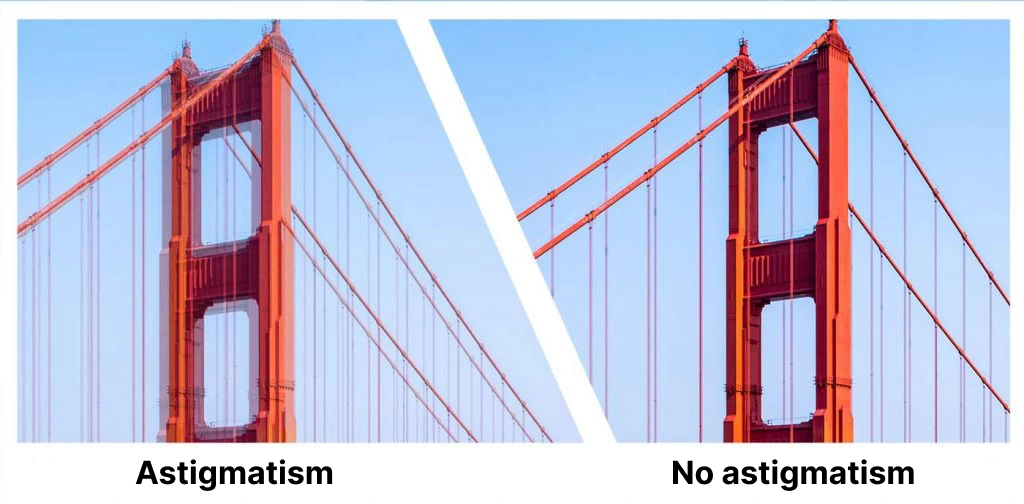
To start with, let’s do a little test for astigmatism with the help of the picture below the next paragraph. Don’t be afraid, it really doesn’t hurt! Take off your glasses, approach it without contact lenses. Put the phone about half a meter away from your eyes. That is, at arm’s length.
Cover your left eye with your left hand and look at the picture. Repeat the same after a while with your right eye.

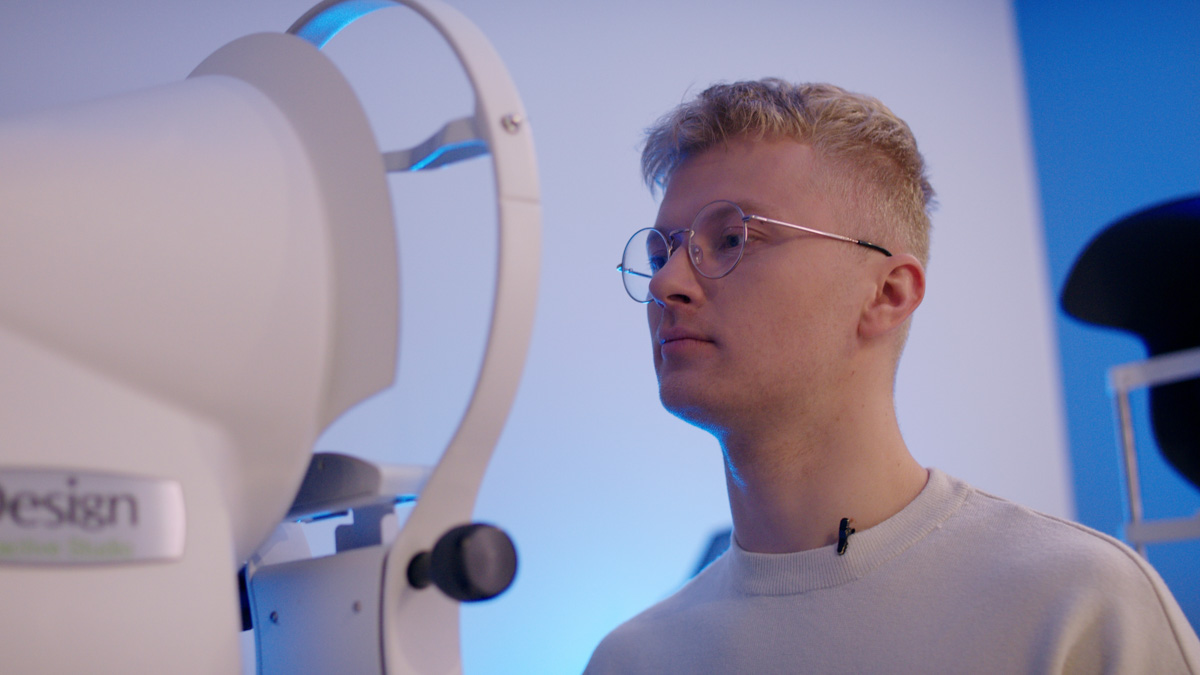
If the distances between the lines are not the same, or if any of the lines are bent or “kicked up,” it is possible that you have astigmatism. Perhaps some lines appear grayer and blurred and others appear darker and sharper, in which case it’s also possible that you have this vision defect. A minor online test, however, is no substitute for a real examination. What do such look like? More, in the video piece below.
How to cure astigmatism permanently?
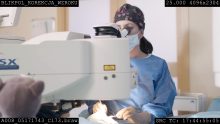
Watch the video with the history of Ewa’s procedure.
Eve had myopia with 3 diopters of astigmatism, which heavily interfered with daily life.
And, for example, in interactions with water :)
If you’re curious about what herdefect removal surgery looked like – Click the above thumbnail and see the video.
If you would like to know other stories of our patients – from the removal of astigmatism, among other things – then click here: Memories and Opinions of Blikpol Patients.
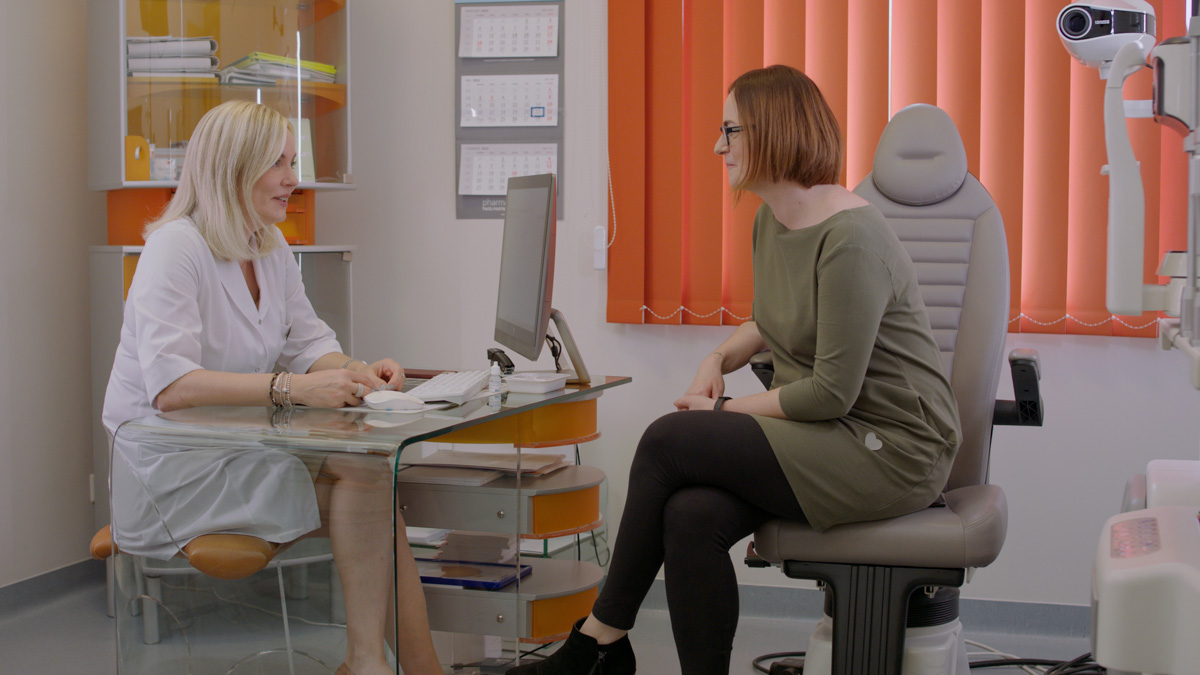
Astigmatism – symptoms
Is squinting an everyday thing for you? Do you rub them again and again as if in disbelief? Constant headaches do not give you peace of mind? For your own good, you’d better not ignore it, because astigmatism manifests itself with just such ailments, all due to the asymmetry of the cornea of the eye.
These are the basic symptoms of astigmatism, which may indicate that you should go to an ophthalmologist. In the course of the development of this defect, your vision may become blurred, fuzzy, especially on one side.
On top of that, you may also be plagued by recurring headaches, due in part to this squinting and the constant strain of looking at things both far away and very close up.
Astigmatism needs correction! The number of diopters also matters, but more elaborate answers await in the rest of the article as to where this visual defect comes from and what methods can be used to treat it.
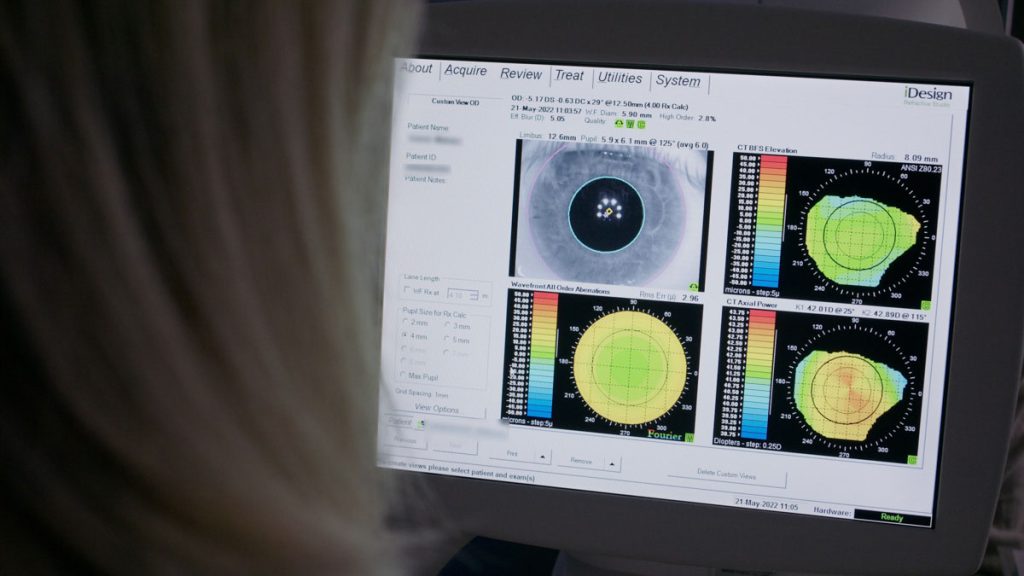
Why, having astigmatism, do we see a one-sided blurry image?
This is due to the way light reflects in the lens and reaches the retina. For people who do not have any visual impairment, it is difficult to explain, but we will try to do so. If light is refracted at several points (and not at one, as is the case with normal vision), then the image becomes blurred.
This state of affairs is caused by the irregular shape of the cornea, that is, the part through which light enters the further spheres of the optical system of the eye. In the case of this eye defect, the shape of the lens of the eye somewhat resembles a rugby ball, which causes scattering of light entering the eye.
Astigmatism can be a congenital defect, although sometimes it is also a consequence of corneal injuries. The same is true of so-called lenticular astigmatism, which, as the name suggests, is due to abnormalities in the lens.
A third source of astigmatism that can cause astigmatism is deformities of the eye, or more precisely, the eyeball. In the case of progressive corneal astigmatism, diagnostics and regular examinations are particularly important to rule out or diagnose corneal cone early, because in this case the cornea takes the shape of a cone – and this is a much more serious condition that already requires more advanced treatment, because it can cause much more severe astigmatism. Astigmatism is no slouch, especially stronger astigmatism.
How does a person with astigmatism see?
Here we are talking about a situation in which vision is not corrected by contact lenses or corrective eyeglasses, as they are the ones that most often help astigmatics see. In the case of this disease, the cornea takes the shape of a cone, and it is responsible for the erroneous perception of the image.
As long as you notice symptoms in yourself or take an astigmatism test, your eyes, or eye, will require correction to function properly. You can improve your vision with contact lenses selected by a specialist, which, along with laser vision correction, are unparalleled when it comes to astigmatism of the eye.
Accurate examination of vision defects requires a number of thorough diagnostic tests. If you have noticed alarming symptoms, a visit to an ophthalmologist is even a must!
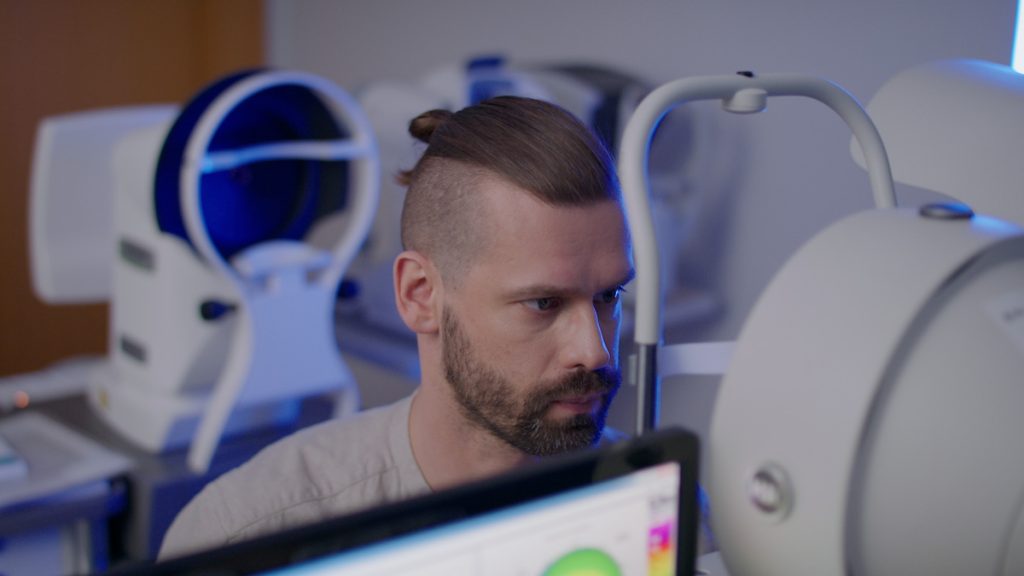
So how does an astigmatic see?
Many of the symptoms depend on your visual impairment and whether you already have the right contact lenses, as ill-fitting ones may not correct all the difficulties you face. The more severe the astigmatism, the more blurry the image becomes.
Because of the abnormal surface of the cornea, the contours of surrounding objects are very distorted, and sometimes even twisted and off-camber.
Astigmatism makes the sense of space and perception of the plane completely disturbed. It is not uncommon for observed straight lines to twist – this is completely how an astigmatic sees without proper correction and help from an ophthalmologist.
In addition to the aforementioned symptoms, it is also not uncommon to have headaches in the forehead area, a feeling of constant eyeball tension and squinting, not infrequently associated with the visual impairment.
Very often, the higher the values of the disease, the greater the discomfort that the patient experiences on a daily basis turns out to be. The image is constantly blurred and the contours are blurred, as there is great difficulty in focusing the objects seen. When patients try to strain the eye to get a uniform image, painful complaints appear and the circle closes.
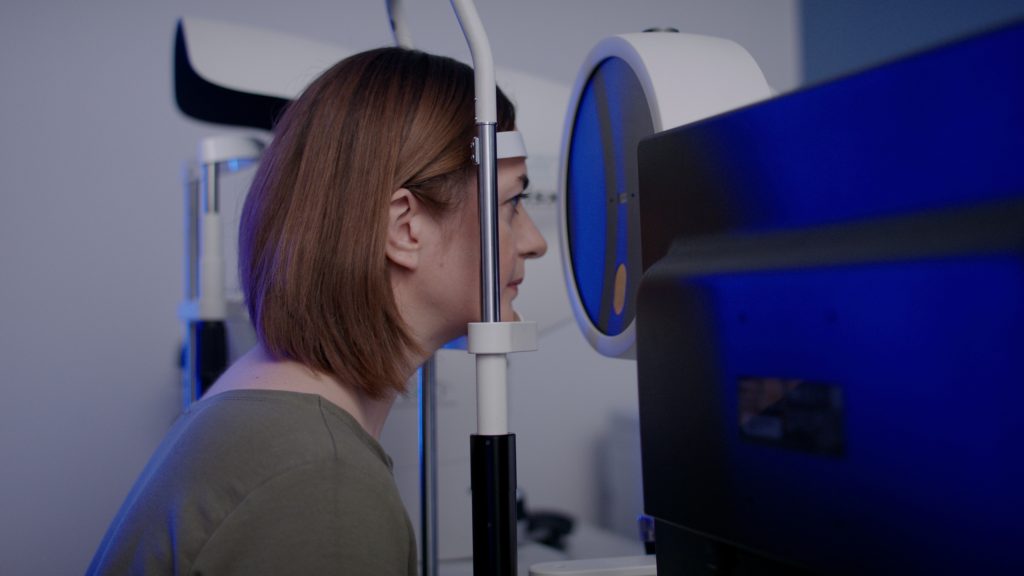
How does astigmatism bother children?
Astigmatism also occurs in children, and eye diseases similarly manifest themselves with the cornea still developing in the child. For the reasons mentioned in the previous paragraph, uncorrected astigmatism greatly interferes with school-age children. Learning is severely hampered because how a person with astigmatism sees projects into many subjects, such as math or languages.
If our child reports problems with visual acuity and poor sense of space, we should immediately go to a specialist who will properly assess the situation and select contact lenses or glasses.
Astigmatism correction will definitely help your child learn and make him focus on taking notes in class, rather than adjusting the focus of the image with strenuous squinting of his eyes. The image seen will become clear, which will greatly improve concentration.

Types of astigmatism
Astigmatism can be:
- non-complex astigmatism – only in one plane the eye is hyperopic or myopic, and the refraction of light rays in the vertical plane is stronger than in the horizontal plane,
- compound astigmatism – there is hyperopia or myopia in both planes,
- mixed astigmatism (or irregular astigmatism) – when the eye is hyperopic in one plane and myopic in the other.
In addition, the condition in which the refraction of light rays in the vertical plane is stronger than in the horizontal plane is called non-complex astigmatism (simple myopia).
What other types of astigmatism are there? If, on the other hand, the refractive conditions are reversed, i.e., the stronger refraction of light concerns the horizontal plane, then astigmatism is inverse (complex).
The previously-mentioned irregular type (astigmatism – irregular non-reflectivity) consists in the fact that in different places of one plane the refraction of light is different(for example, due to the curvature of the cornea or conical shape). Depending on the structures of the optical system of the eye, different types of astigmatism are distinguished: corneal astigmatism, total astigmatism, and internal astigmatism.
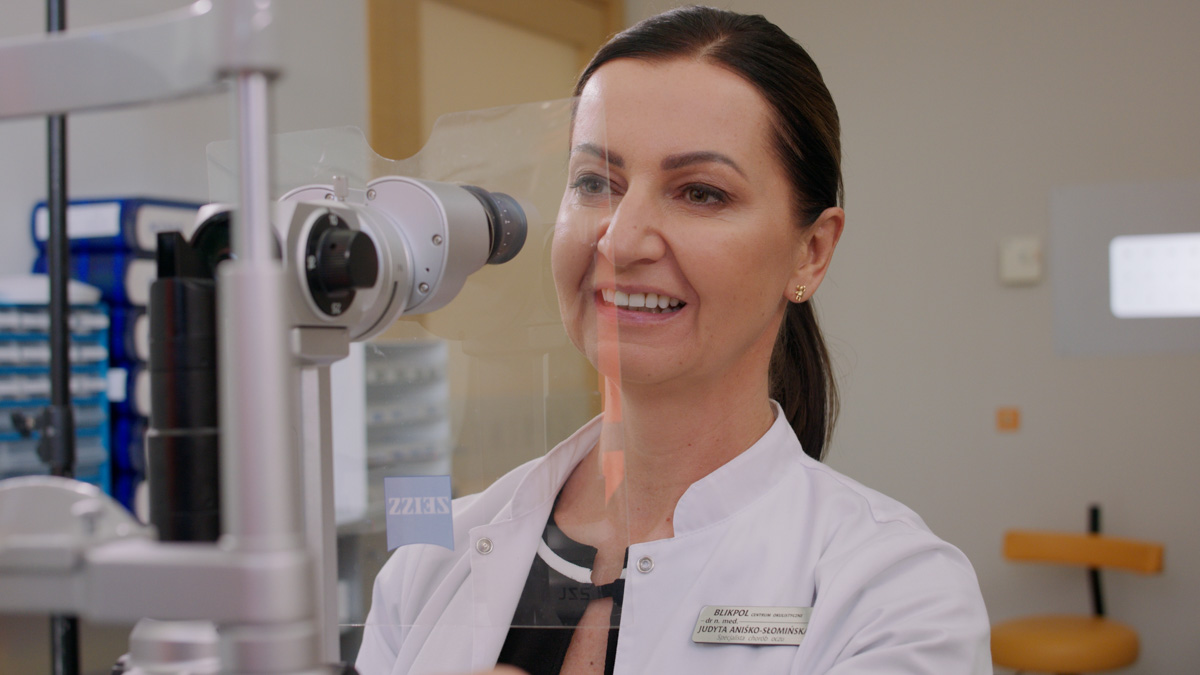
Astigmatism – treatment. Can astigmatism be cured?
Astigmatism – treatment with lenses or “cylinders”
How is astigmatism corrected? Can astigmatism be cured? Can it go away on its own? What is the prevalence of astigmatism?
After being diagnosed with astigmatism, it is necessary to choose a method of correction. Similar to nearsightedness or farsightedness (which often co-occur with astigmatism), options include glasses with so-called cylinders, or cylindrical lenses. Additionally, appropriate contact lenses can help reduce astigmatism.
Glasses or contact lenses for astigmatism
Eyeglasses for astigmatism are a good solution, especially for more advanced forms of the condition. However, they are not entirely effective due to the distance between the eye and the glasses, which means the image will never be perfect.
A much better option is specialized contact lenses designed to treat astigmatism. These lenses have a specific shape modeled on a torus, a geometric figure. Such lenses adhere directly to the eye, adapting to the curvature of the cornea and providing correct vision from every angle.
For high degrees of astigmatism, rigid gas-permeable (RGP) lenses are recommended. Their more stable structure ensures effective correction, which is crucial. A more convenient option is soft lenses (hydrogel or silicone), which allow oxygen to pass through, letting the eyes breathe. This is important because corneal oxygen deficiency can lead to various complications and discomforts.
A third option is hybrid lenses, which combine the features of hard and soft lenses. Their central part is made of RGP material for vision stability, while the edges are soft and hydrogel-silicone, making the lenses easier and more comfortable to wear.
Astigmatism – how to choose the right contact lenses?
It is important to remember that precise fitting of contact lenses is essential for managing astigmatism. This plays a crucial role, so it is best to consult a trusted and experienced ophthalmologist. Astigmatism treatment should be conducted under the supervision of a specialist who fully understands the differences between various types of astigmatism, such as regular inverse astigmatism, regular oblique astigmatism, mixed astigmatism, corneal astigmatism, regular astigmatism, compound myopic astigmatism, myopic astigmatism, compound hyperopic astigmatism, regular simple astigmatism, and hyperopic astigmatism. An eye care professional will diagnose the specific type of astigmatism you have and recommend appropriate treatment.
Due to the design of toric lenses and their distinctive shape, proper placement on the eye is also critical. Only then can we achieve the desired sharpness of vision, effectively addressing astigmatism once and for all. Toric lenses allow for predictable orientation on the eye, which results in better visual clarity and prevents lens rotation.
An interesting option worth considering for mild or moderate astigmatism is orthokeratology (CRT). This therapy involves wearing rigid gas-permeable (RGP) lenses overnight.
These lenses reshape the cornea during sleep, enabling clear vision throughout the day without the need for glasses or contact lenses.
However, the downside of this method is that the results are temporary. Typically, after two days—or sometimes even just one—the cornea returns to its distorted shape. Therefore, the lenses must be worn at least every 2–3 nights to maintain the effect.
Treatment of astigmatism – laser surgery
What motivated me to undergo the procedure? Hmm… definitely the condition I’ve been dealing with since I was 6 years old, which over time worsened and started interfering with my daily life.
The condition was significant: Left eye (OL): myopia and astigmatism -3.75 diopters, and Right eye (OP): myopia -2.75 diopters. […] When I entered the room, I couldn’t see anything, everything was blurry.
After the procedure, my reaction was indescribable… I was overwhelmed with emotion and tears of happiness, finally being able to see everything clearly and sharply. At my first follow-up visit after the procedure, I could see and read at 75%, and with each subsequent visit, my vision improved significantly. A month after the procedure, I was reading 100%, and it has remained that way to this day, which makes me extremely, extremely happy :)
Daria, a Blikpol patient
The development of technology in medicine has made laser vision correction an increasingly popular method for treating astigmatism.
Thanks to continuously improving tools, the procedure is not only quick and painless but also safe—especially since it is preceded by a series of thorough tests to exclude any contraindications that could lead to later complications. A refractive error between 0.25 and 0.50 diopters is considered a physiological defect and does not require correction. However, in some individuals, leaving it uncorrected can cause headaches and eye strain.
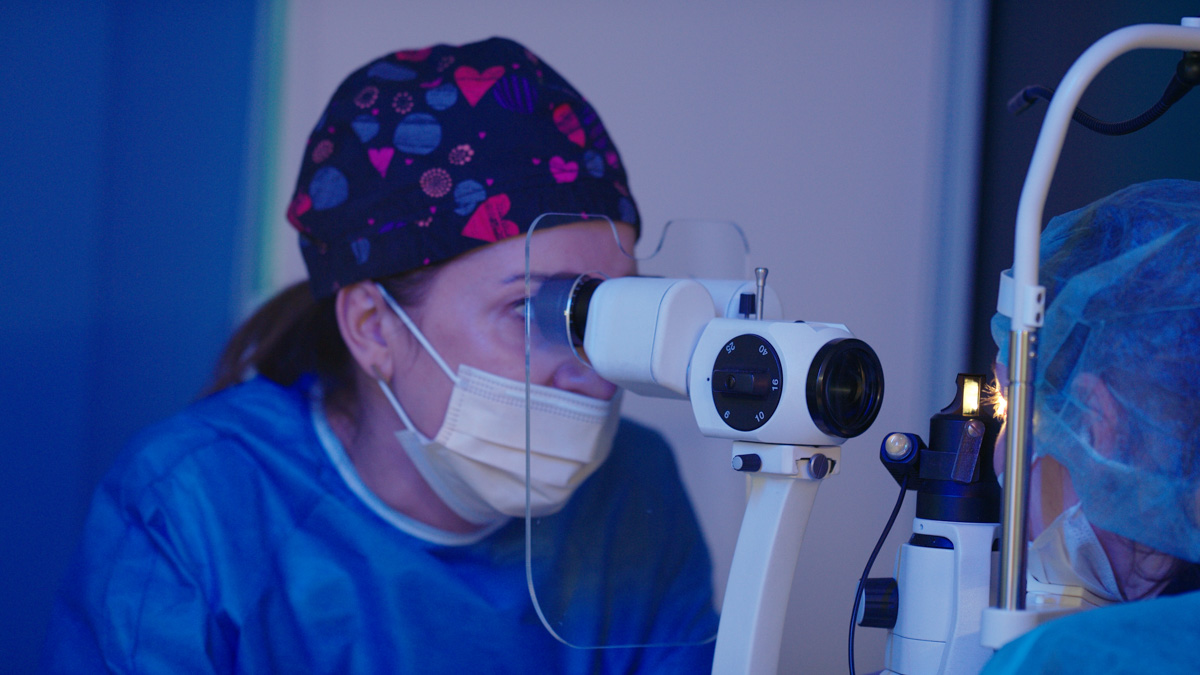
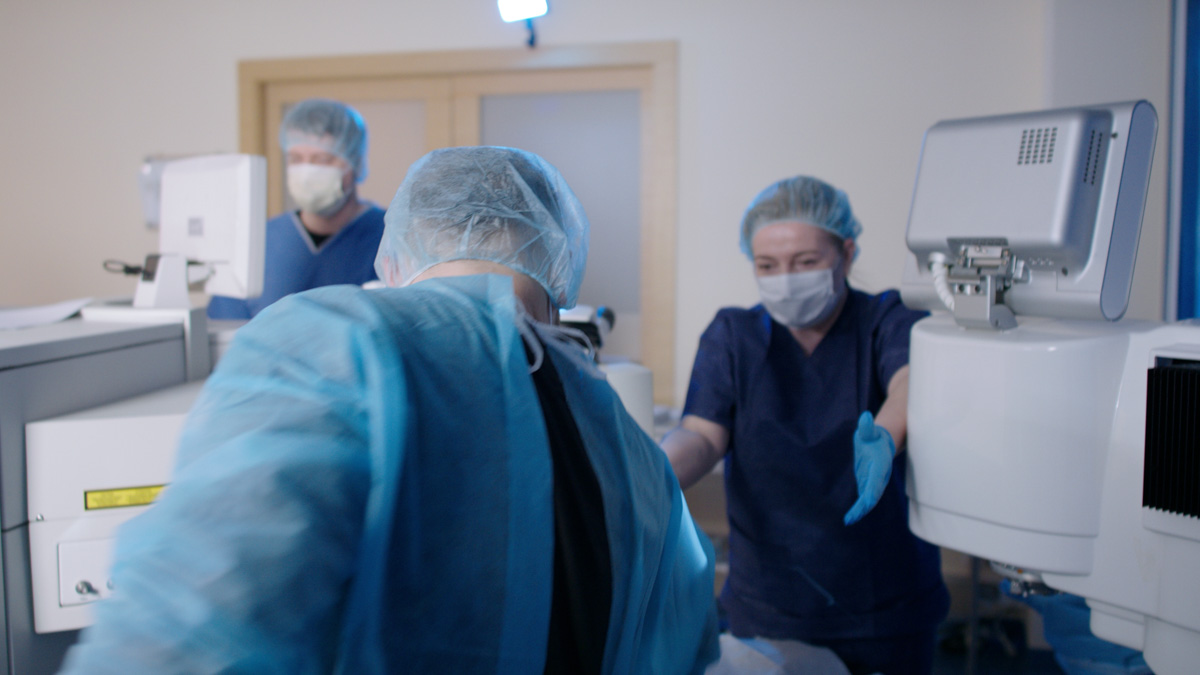
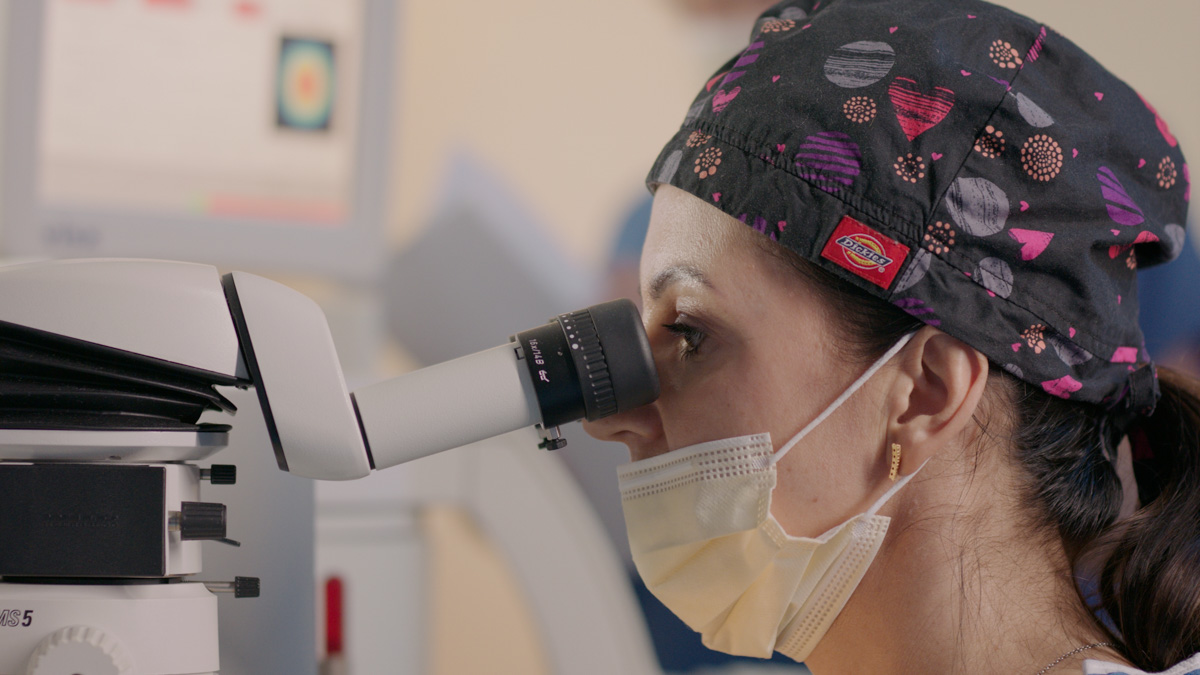
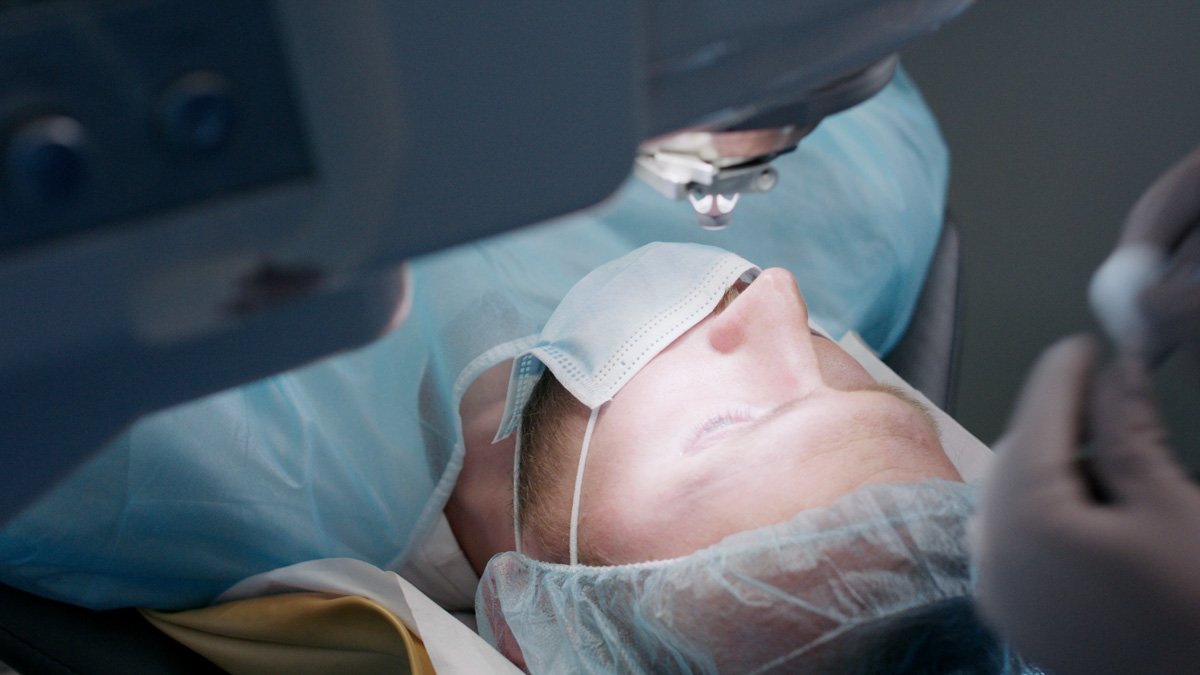
The procedure itself is more like a visit to a beauty salon than a stay in the operating room. The treatment is performed under local anesthesia (eye drops) and lasts only a few minutes.
During this time, the cornea is shaped using a laser until the desired contour is achieved, allowing for proper light reflection and, as a result, perfect visual acuity.
Now you know everything there is to know about astigmatism! It’s time to take care of your eye health!
Can astigmatism be reversed?
In adults over the age of 40, changes in astigmatism typically involve a gradual decrease in astigmatism values in eyes with simple astigmatism, and an increase in eyes with reverse astigmatism.
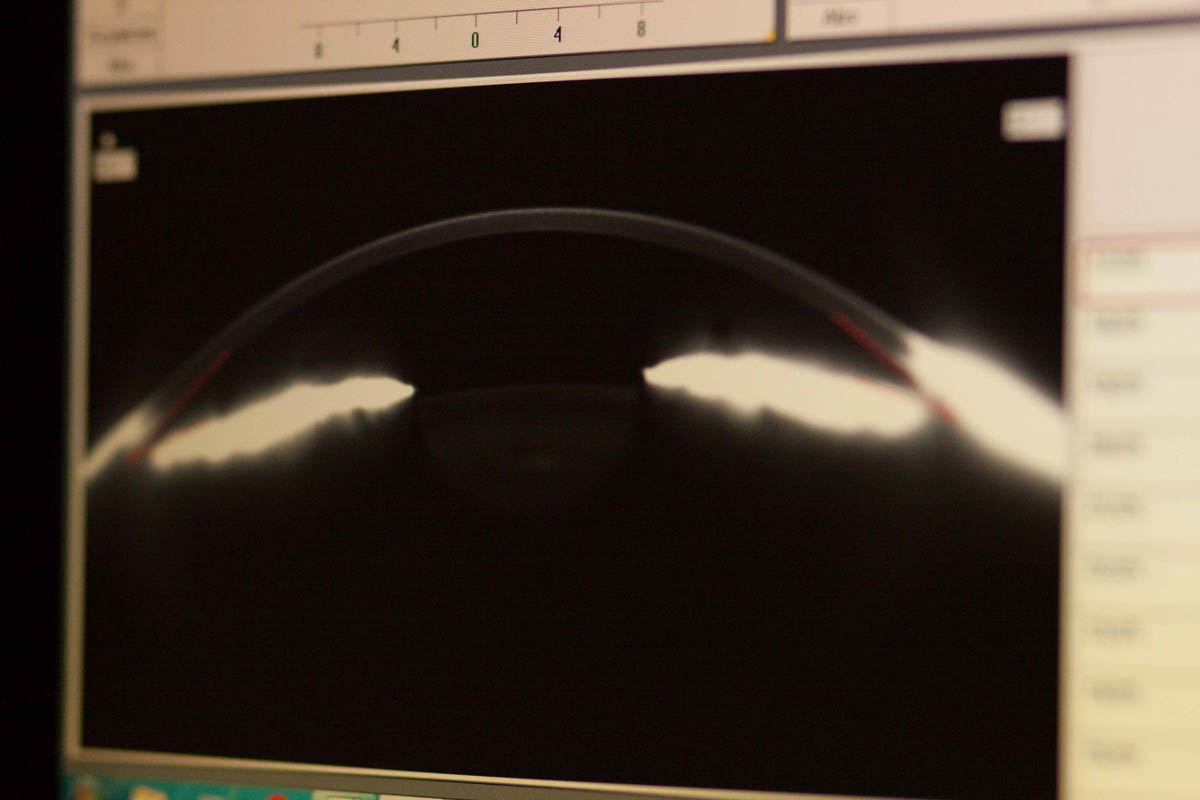
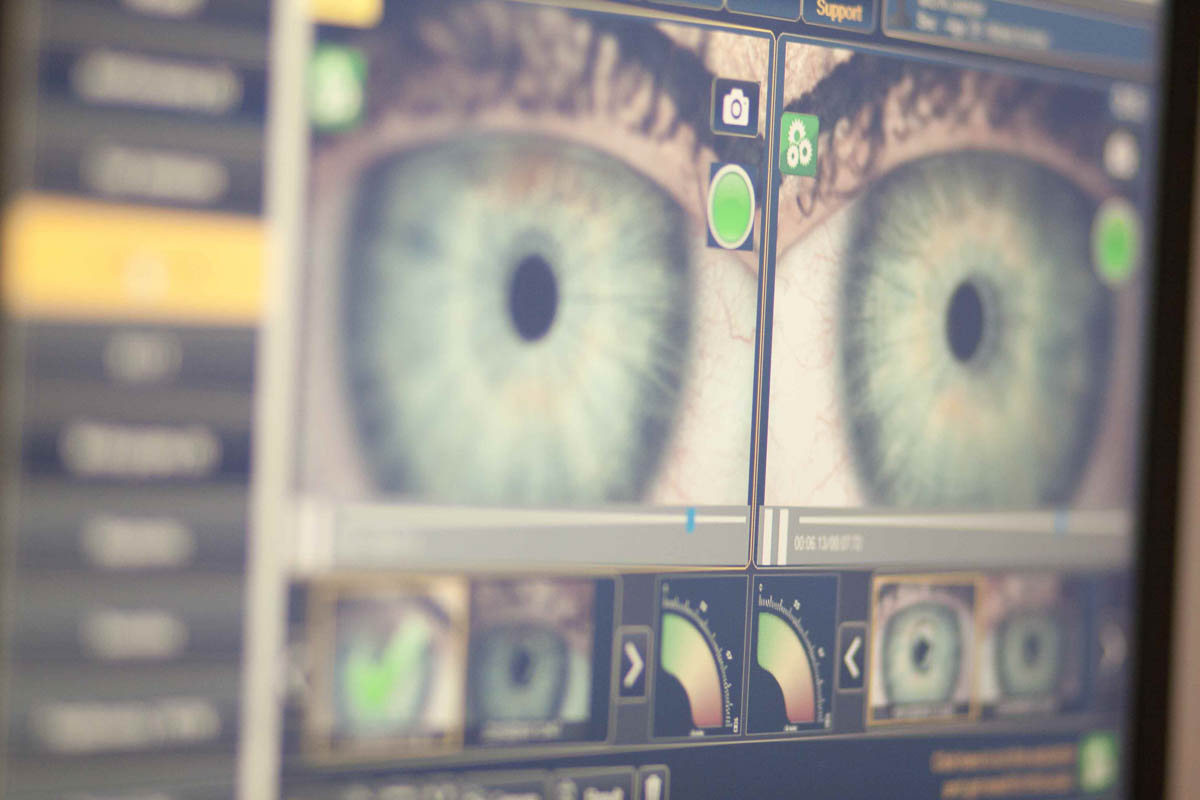
If you’re curious about the permanent treatment options for astigmatism (laser vision correction) at Blikpol in the Tri-City area, click here: Laser vision correction. Learn more about laser treatment for astigmatism. We invite you for a consultation. If you experience spatial awareness issues, blurred vision, and a decrease in visual acuity, this may indicate an irregular corneal shape, and this visual impairment requires treatment. During an examination, the specialist will determine the type of astigmatism in your case (e.g., simple or reverse astigmatism). Using professional equipment like the Jawala oflalmometer, specialists can determine the curvature radius.
Astigmatism – historical facts
How long has astigmatism been around?
The history of astigmatism goes back to 1793 when English student Thomas Young observed vision problems in one of his eyes. This led him to research eye accommodation, and subsequently, vision issues, which led to the term astigmatism.
Independently, George Biddell Airy, who also suffered from severe astigmatism symptoms, conducted his own research. In 1825, Airy designed cylindrical eyeglasses that allowed individuals with astigmatism to regain proper vision in both eyes!
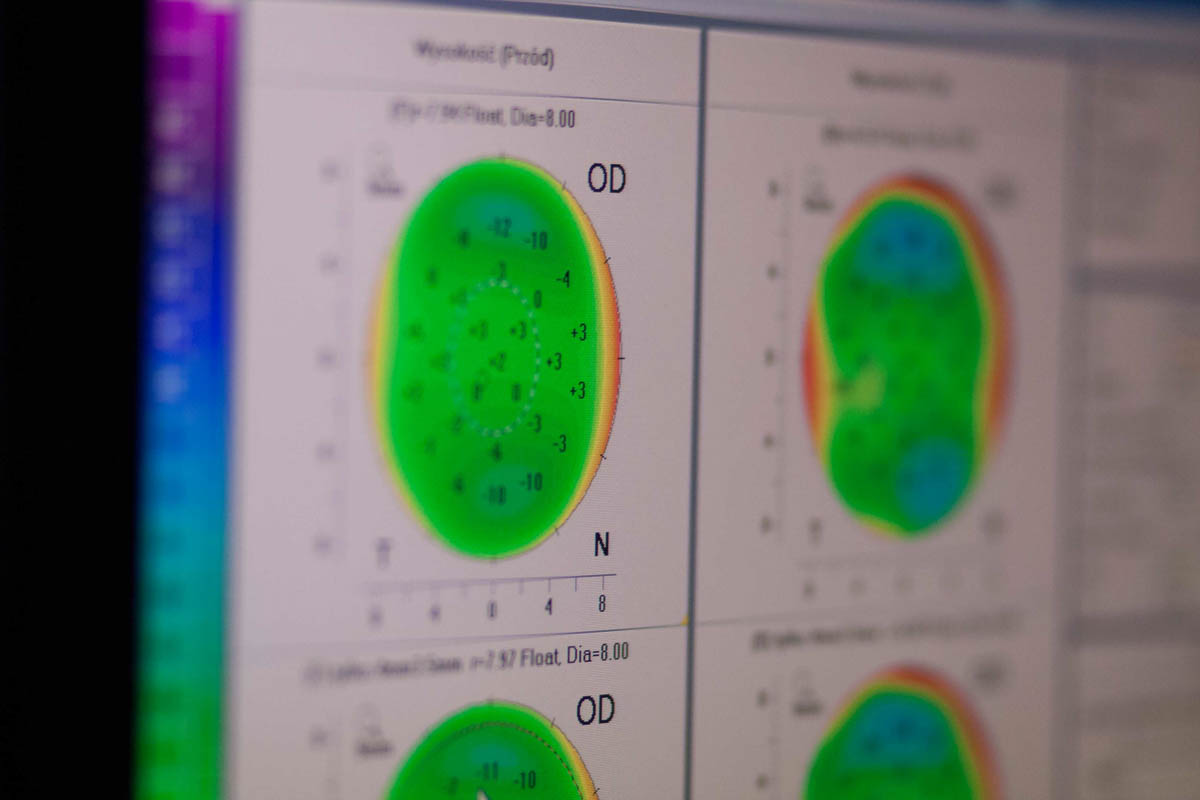
Our patients can also enjoy clear vision, so schedule a consultation and undergo astigmatism treatment as soon as possible. Whether you suffer from hyperopic astigmatism, myopic astigmatism, regular astigmatism, or mixed astigmatism caused by corneal and lens distortion, visit us and undergo professional eye exams. For astigmatism treatment, choose Blikpol! Our diagnostic methods include using a Lacido disk projected onto the corneal surface, which is then recorded by a camera. The results of the test include a corneal map and a corneal surface cross-section.
You may also be interested in: